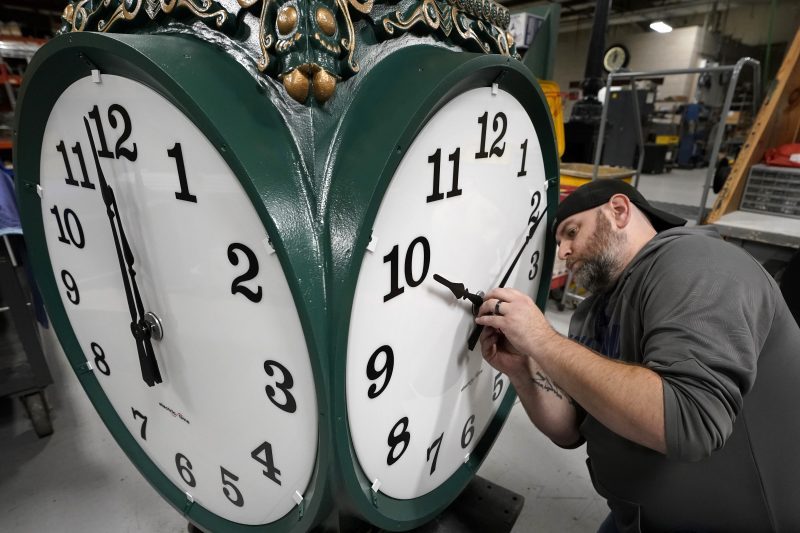
As the days grow shorter and clocks prepare to fall back, a long-simmering effort to lock in daylight saving time year-round is gaining new momentum on Capitol Hill. The Senate’s return from its summer recess has revived hopes for the Sunshine Protection Act, a bill that would make daylight saving time permanent across most of the United States.
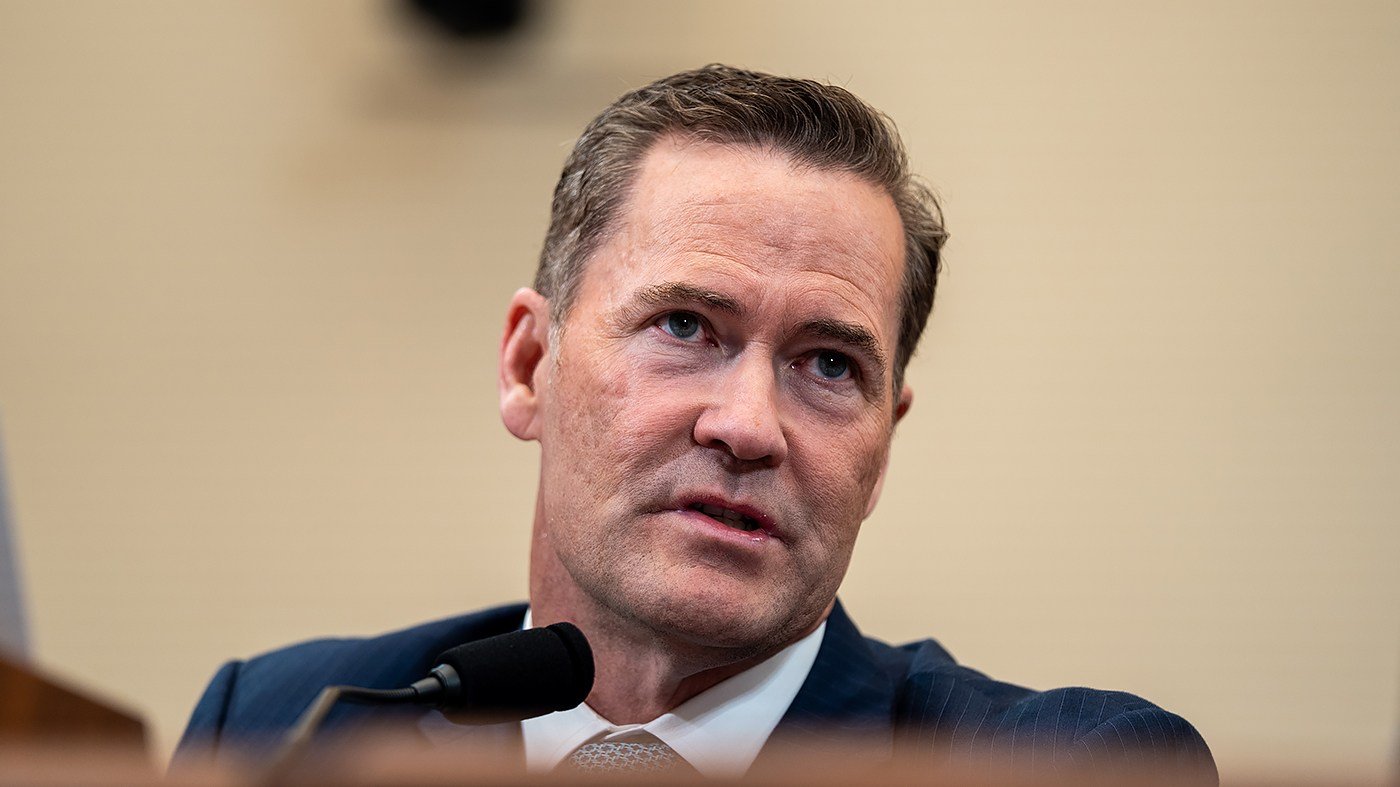
The legislation, which passed the House earlier this year with bipartisan support, has been stalled in the Senate since July. But with the chamber back in session, advocates and lawmakers are pressing for a vote. The bill’s chief Senate sponsor, Senator Marco Rubio (R-FL), has long argued that the twice-yearly time change disrupts sleep cycles, increases traffic accidents, and offers no real economic benefit.
Nineteen states have already passed legislation or resolutions supporting a permanent shift to daylight saving time, contingent on federal approval. That patchwork of state action underscores the growing frustration with the current system, which allows states to opt out of daylight saving time (as Hawaii and most of Arizona do) but does not permit them to adopt it year-round without a change in federal law.
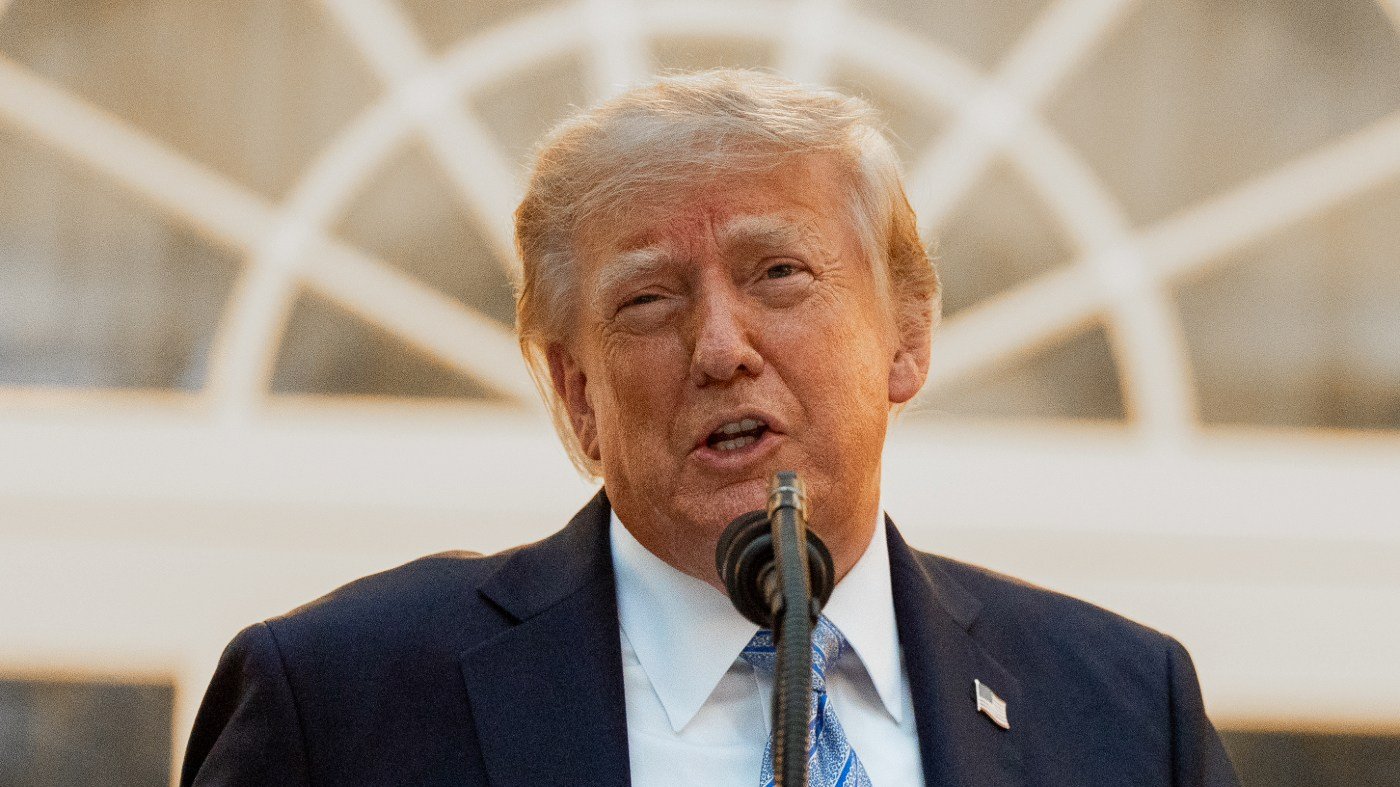
If the Sunshine Protection Act clears the Senate, it would appear to have a clear path to the White House. President Trump has publicly expressed support for ending the clock changes, calling the current system “inconvenient” and “very costly” to the nation. His endorsement could provide the political cover needed to push the bill through a closely divided chamber.
The push for permanent daylight saving time has drawn unusual alliances, from health groups that cite the benefits of more evening sunlight to retailers and the golf industry, which see increased consumer activity in brighter evenings. However, some critics, including many parents and school boards, argue that darker winter mornings would pose safety risks for children heading to school, and that the change would disproportionately affect northern states where sunrise could come after 8 a.m.
The Senate’s schedule remains crowded with must-pass spending bills and judicial nominations, but time-change legislation has a history of bipartisan appeal. A similar measure passed the Senate by unanimous consent in 2022, only to die in the House. This time, with the House already on board, the pressure is on the Senate to act before the end of the year.
Should the bill become law, it would not take effect immediately—the legislation includes a transition period to allow states to prepare. But for the 19 states that have already signaled their intent, the end of the twice-yearly ritual could finally be in sight. As the debate continues, lawmakers are also weighing the broader implications for state versus federal authority, a theme that has recurred in other policy battles this session.
Supporters argue that permanent daylight saving time would align the U.S. with many European countries that have considered similar moves, and that it would eliminate the confusion of time zone changes for businesses and travelers. Opponents counter that the current system, while imperfect, at least preserves daylight hours when people need them most.
For now, the clock is ticking. If the Senate takes up the Sunshine Protection Act in the coming weeks, it could mark one of the most tangible quality-of-life changes passed by Congress in years. As one Senate aide put it, “This is a rare issue where the public is genuinely engaged, and the political will finally seems to be there.”
While the outcome remains uncertain, the renewed attention highlights how a seemingly mundane issue can become a test of legislative efficiency. For the millions of Americans who have long questioned why the clocks still change, the answer may soon be: they won’t have to.