Democrats are moving to put artificial intelligence regulation and corporate oversight at the top of their legislative agenda after securing control of both chambers in Tuesday's midterm elections. The party's victory has emboldened progressive lawmakers to promise aggressive action against the tech industry, which they accuse of wielding outsized political influence and endangering American workers.
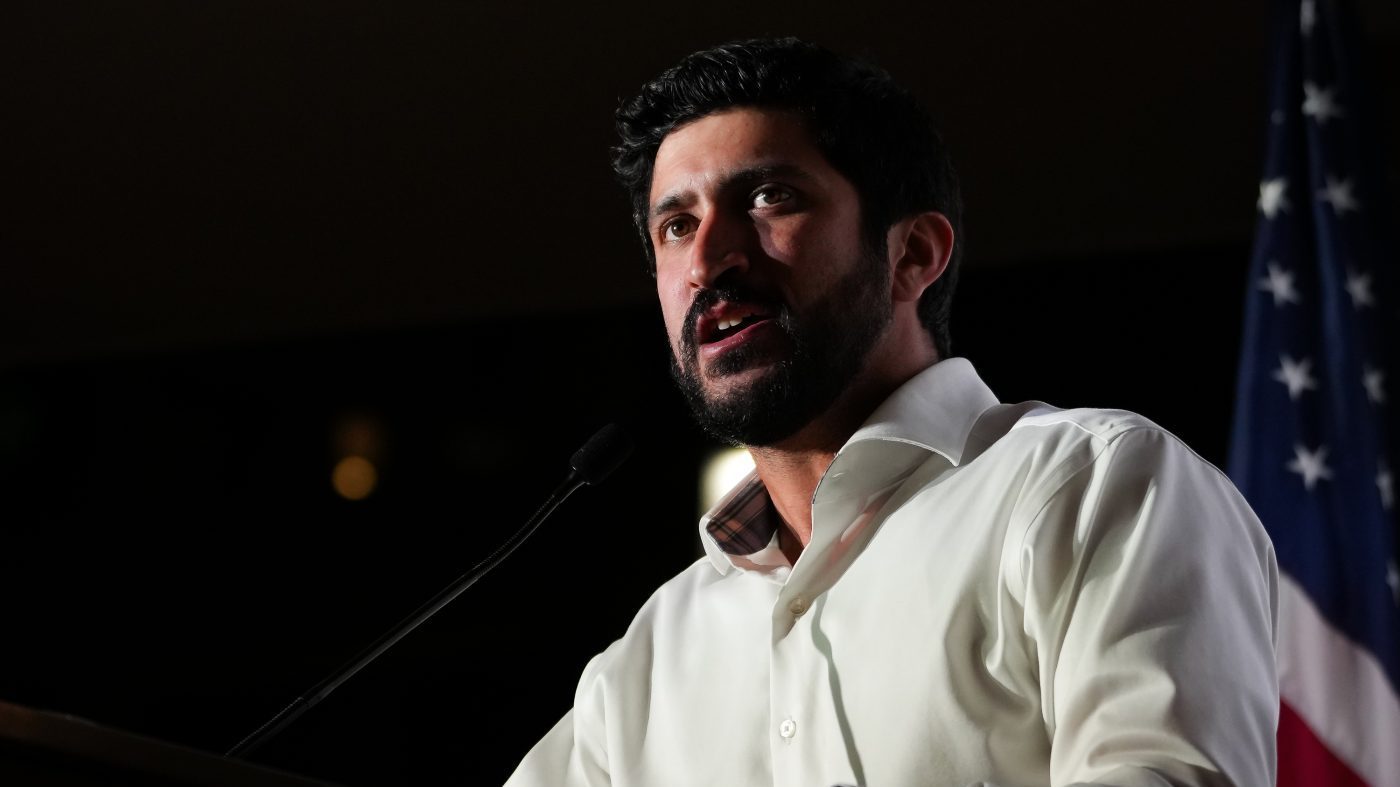
Shortly after the party's House majority was confirmed, Rep. Greg Casar (D-Fla.) issued a stark warning: "We must make it a top priority to protect Americans' jobs, freedom and lives from AI billionaires." In a statement that quickly circulated on social media, Casar called for congressional hearings with AI executives under oath, arguing that "Congress should investigate how these companies are putting the jobs, freedom, and lives of Americans at risk" and pass legislation to safeguard citizens.
Casar also tied the tech industry's political spending to the GOP's defeat, asserting that "voters rejected Republicans in part because they were bought and paid for by AI billionaires." He urged his party to "hold them accountable instead of cashing their checks," signaling a sharp break from the Trump administration's cozy relationship with tech leaders.
In the Senate, Ed Markey (D-Mass.) took to social media to taunt Big Tech executives, writing that they "are going to need to plant new forests for all of the subpoenas we'll be printing." The comment reflects a broader Democratic appetite for investigations into data privacy, algorithmic bias, and the environmental impact of AI data centers.
The shift in scrutiny comes after years of growing concern over the lack of AI safety regulations and the industry's alignment with conservative politics. A recent Politico poll found that Americans are more likely to assume the heads of major tech firms are Republican, including figures like Anthropic CEO Dario Amodei, who clashed with the Trump administration over AI safety earlier this year.
Democratic lawmakers had already begun laying groundwork for a crackdown. Last month, Sens. Elizabeth Warren (D-Mass.), Richard Blumenthal (D-Conn.), and Chris Van Hollen (D-Md.) released a 27-page report detailing a nearly yearlong investigation into how AI data centers could drive up consumer costs. That report is expected to inform upcoming legislation aimed at curbing corporate excess.
The party's victory has reshaped Washington's power dynamics, and Democrats' midterm landslide is already being felt in financial markets, with investors reacting to the prospect of tighter regulation. Meanwhile, markets surged on the news, though analysts warn that tech stocks could face headwinds as Democrats prepare to flex their oversight muscles.
Republicans, still reeling from the electoral rout, have vowed to resist Democratic initiatives. Senate Minority Leader Mitch McConnell's allies have signaled they will use procedural tactics to slow down any aggressive legislative pushes. However, GOP leaders like John Thune have promised to fight back against what they call a "radical" Democratic agenda.
For Democrats, the mandate is clear: voters rejected the GOP's alliance with tech billionaires, and the party intends to deliver on its promises. As Rep. Casar put it, "We must hold them accountable instead of cashing their checks." Whether that translates into sweeping AI legislation or high-profile subpoenas remains to be seen, but the direction is unmistakable.