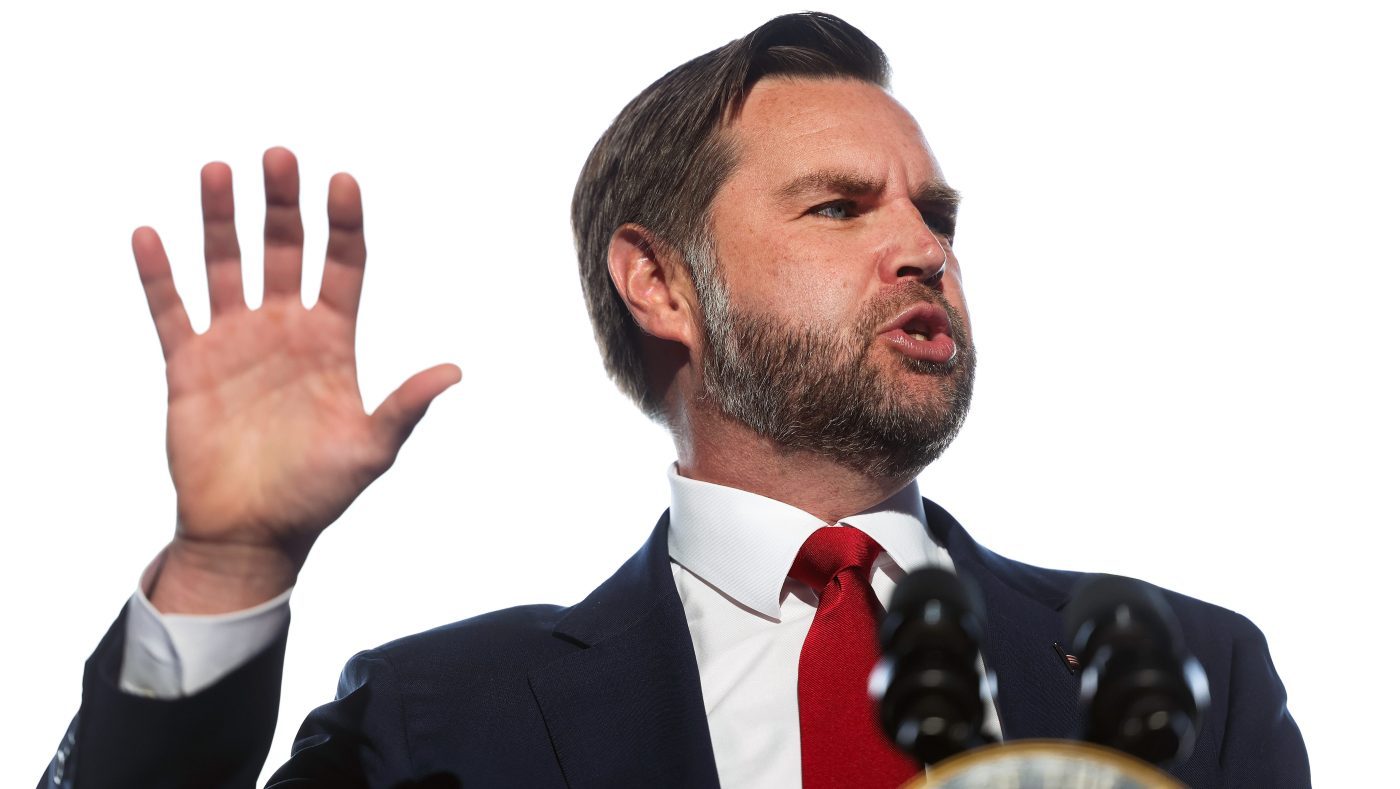
Vice President Vance on Wednesday squarely blamed the ongoing conflict with Iran for the Republican Party's devastating midterm election results, pushing back against analyses that pointed to the administration's hard-line immigration policies as a contributing factor.
In a lengthy social media post, Vance asserted, "The reason we lost is the war. The president himself said so last night." He challenged critics to argue that the war was worth the political cost, noting, "If you'd like to argue it was worth it, that losing the Senate for the next 6 years was worth it, then do so. Argue it was a worthwhile cost to pay. Agree or disagree, that's at least honest." He added, "But everyone knows why we lost. And any honest conversation about where we go from here must start there."
President Trump, in an election night interview with The Wall Street Journal, acknowledged that the Middle East conflict, now in its eighth month, "was a piece of it" in the GOP's losses, while maintaining he would not change course.
The administration's response comes as Republicans face an electoral drubbing of historic proportions, with losses not seen in either party in a midterm for half a century. The war has driven up gasoline and diesel prices both domestically and globally since it began in late February, heightening voter frustration after Trump campaigned in 2024 on a promise to end foreign wars.
Administration officials have moved quickly to shift blame away from other policies, including immigration enforcement, which also proved unpopular with key swing voters. The threatened prosecution of noncitizen voters by the Department of Homeland Security was one such flashpoint during the campaign.
Democratic strategists, meanwhile, have seized on the results, arguing that the war and its economic fallout were the decisive factors. "The American people sent a clear message," said one Democratic operative. "They are tired of endless conflict and rising prices at the pump."
The outcome has also raised questions about the future of the Trump agenda, with legislative priorities now hanging in the balance as Democrats prepare to take control of both chambers. Some Republicans are already calling for a strategic reassessment, but Vance's remarks suggest the administration is digging in.
Political analysts note that the party's losses were compounded by a series of leadership disputes that surfaced in the aftermath, further complicating the GOP's path forward.
As the dust settles, the debate over the war's political cost is likely to dominate Republican internal discussions. "The question now is whether the party learns the right lessons," said a veteran GOP strategist. "Blaming the war alone may be convenient, but it ignores the broader discontent that voters expressed."