The Wall Street Journal's editorial board has placed the lion's share of blame for Tuesday's Republican losses squarely on President Trump, as Democrats are projected to take control of both chambers of Congress. In a piece published early Wednesday, the board argued that while midterm setbacks are typical for second-term presidents, this cycle's results were far from ordinary.
"Republicans may console themselves that midterm defeats in second presidential terms are common. But this was more than a normal defeat," the board wrote. The editorial highlighted that losing Senate seats and governorships in states that had become GOP strongholds will have lasting consequences, as will the cascading losses down ballot in state legislatures.
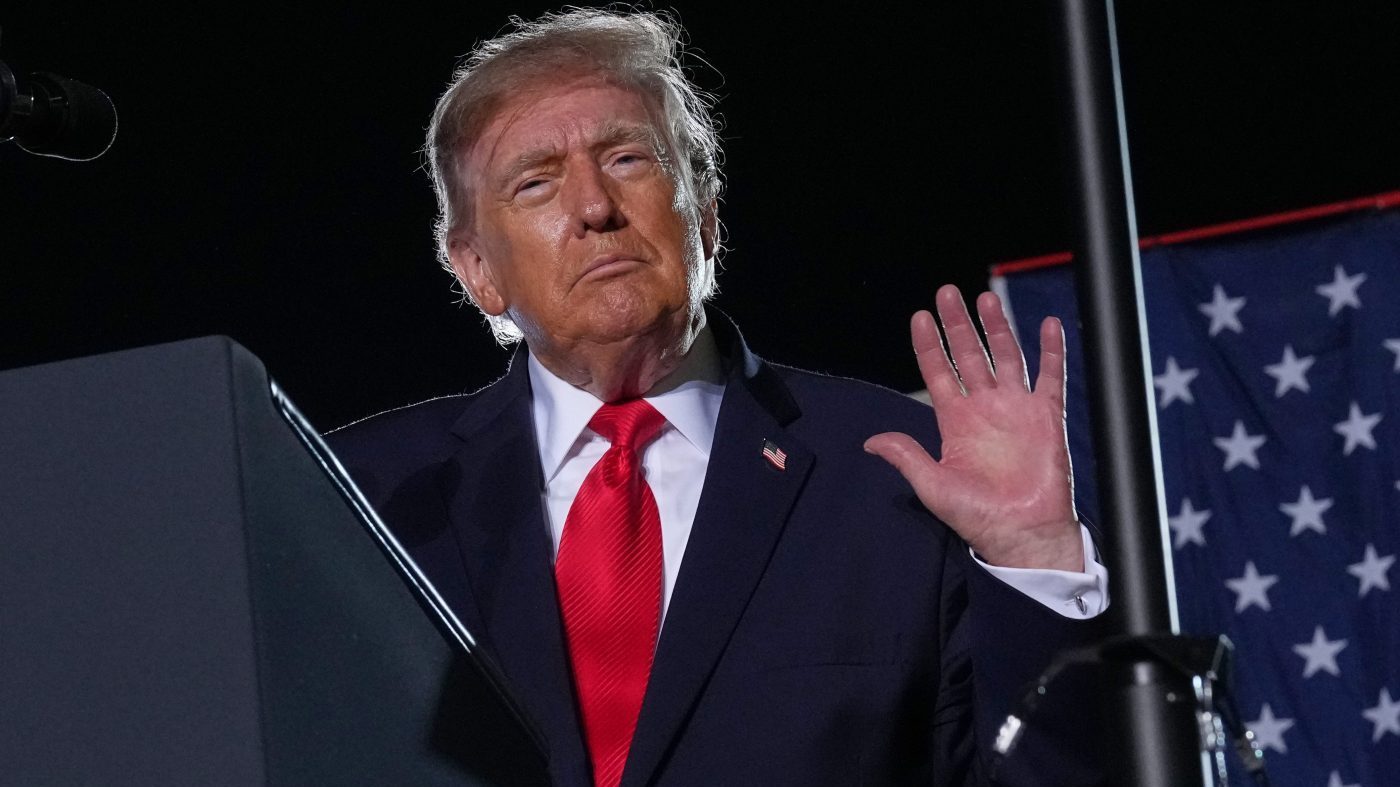
"True to form, President Trump is already blaming everyone else, but he is the main architect of this rout," the board added. Trump has directed his frustration at the media and at Republican candidates he has labeled as "Republicans in Name Only," but the Journal suggested the president could also look at the Senate filibuster and the stalled Safeguard American Voter Eligibility Act—which would require proof of citizenship to vote—as factors in the upsets. "But neither would have saved the GOP this year, even if there had been enough votes to do either," the piece reads.
The Democratic victories mark a significant shift, with Decision Desk HQ projecting 256 House seats and 55 Senate seats for Democrats, up from their current 214 and 45 respectively. This comes after a period of internal Democratic infighting and frustration following their 2024 losses.
The Journal's board attributed the GOP's downfall to Trump's governance style and policy choices. "More broadly, the President's erratic and self-indulgent second-term governance has alienated much of the coalition he assembled in 2024. He won a second term on the promise to repeat the economic success of his first," they wrote. However, they noted that "this time he insisted on imposing universal tariffs, often willy-nilly, that have raised prices for many goods and been especially damaging in Iowa, Kansas and the Farm Belt. His senseless trade war with Canada hurt Republicans in Michigan, Maine, even Texas."
The election results have been framed as a historic rebuke of Trump's agenda, with Democrats poised to limit his power over the next two years. The party's success was also buoyed by voter concerns over the unpopular war in Iran, Trump's slumping approval numbers, and rising costs of living.
Trump has sought to deflect blame, pointing to the Iran war and other factors, but critics and even some allies have noted the broader voter verdict on broken promises. The GOP now faces an existential reckoning as the 2028 race begins to take shape.
The White House has not yet responded to requests for comment. Meanwhile, markets have surged on the Democratic sweep, and GOP figures like Elon Musk have mocked the party's collapse after record spending.