The Constitution's Extradition Clause was meant to prevent one state from using its politics to nullify another state's criminal charges. But a recent ruling in the Texas-Minnesota dispute demonstrates how easily that safeguard can be bypassed.
A governor seeking to protect someone from prosecution—or to avoid cooperating with a state whose policies he dislikes—can simply keep an extradition request "under investigation" without a final decision. This is just one of several loopholes in extradition law that are increasingly vulnerable to exploitation in today's polarized climate. Texas, Minnesota, and all other states should act now to close these gaps before they further damage interstate relations and the rule of law.
The Castro Case: A Legal Standoff
In late August, Judge Fernando Rodriguez Jr. declined to order the extradition of Christian Castro, an ICE officer wanted in Minnesota for allegedly shooting Julio Sosa-Celis through a closed door and then lying to investigators. The judge's opinion highlighted a paradox: Texas Governor Greg Abbott claimed he had not yet decided whether to reject Minnesota's demand, asserting that he was still investigating. Since Texas maintained the matter was open, Rodriguez concluded the case was not ripe for judicial intervention.
Yet in a notable footnote, the judge stated that the question Texas said it was investigating—whether Castro legally qualifies as a "fugitive" from Minnesota—was obviously yes. So what are we waiting for? How long can a pointless "investigation" continue before it amounts to a denial? Rodriguez correctly notes that no one knows. The Supreme Court has never addressed this issue, and it won't in Castro's case because the federal government recently indicted him, rendering the state lawsuit moot. Still, a governor could theoretically forestall an extradition indefinitely by claiming an ongoing inquiry.
Other Loopholes and Political Risks
My research identifies several other similarly vulnerable gaps in extradition doctrine. A governor could exploit each in turn, and even if the Supreme Court eventually rejected them, litigation could delay extradition for years or even decades. The Castro case shows this is not hypothetical.
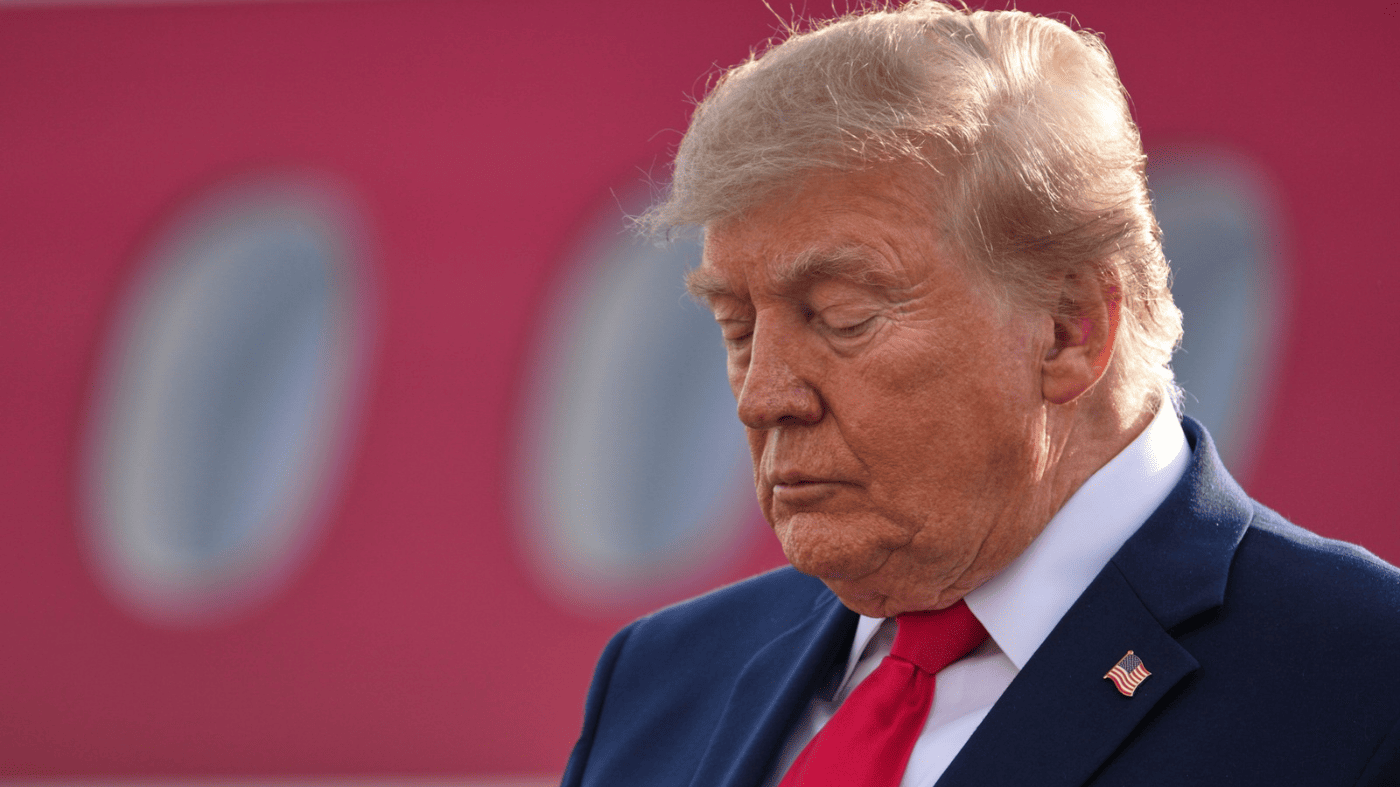
Americans are deeply divided over what constitutes a crime. The recent controversy involved an ICE agent. In 2023, we narrowly avoided another when Florida Governor Ron DeSantis announced he would not extradite Donald Trump to face charges in New York—though Trump eventually surrendered voluntarily. Future disputes could involve a parent who took a child out of state for gender-affirming care, a doctor performing an abortion she deemed medically necessary but which violated state law, or a former FBI director facing flimsy, pretextual charges.
Governors like Abbott have demonstrated they will exploit legal gaps to block or delay uncomfortable extraditions. These conflicts do not inherently favor one political side, making it in every state's interest to resolve the ambiguity.
States Can Fix This—Together
The principle that states must extradite fugitives comes from the Constitution's Extradition Clause and the federal Extradition Act, but both are notoriously vague. In the 1920s and 1930s, states collaborated to fill cracks that had emerged over the previous 150 years, adopting the Uniform Criminal Extradition Act, which 48 states still use today.
A century later, states should again take the initiative. They could choose to seal all loopholes and require extradition under all circumstances, or they could explicitly allow governors to refuse extradition in extraordinary cases. I favor the latter, believing that preventing an escalation in political prosecutions is worth letting a few guilty individuals escape punishment. That was the norm for nearly 200 years before a landmark Supreme Court ruling in 1987, and it mirrors how states handle extraterritorial crimes outside the Extradition Clause.
Either option would be better than the current ambiguity. Texas may celebrate its victory for now, but it will inevitably find itself in Minnesota's position before long. It is in every state's—and every American's—interest to close these loopholes in extradition law.