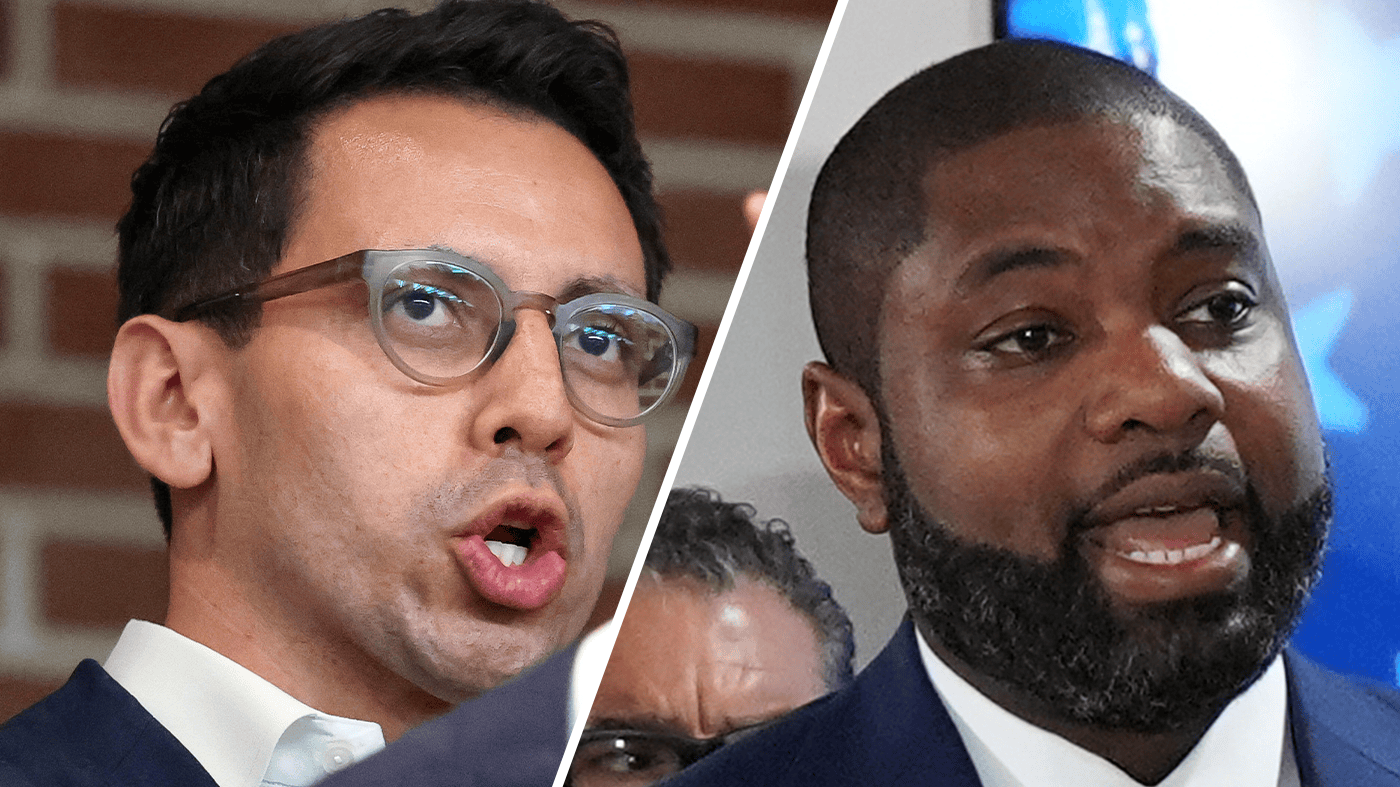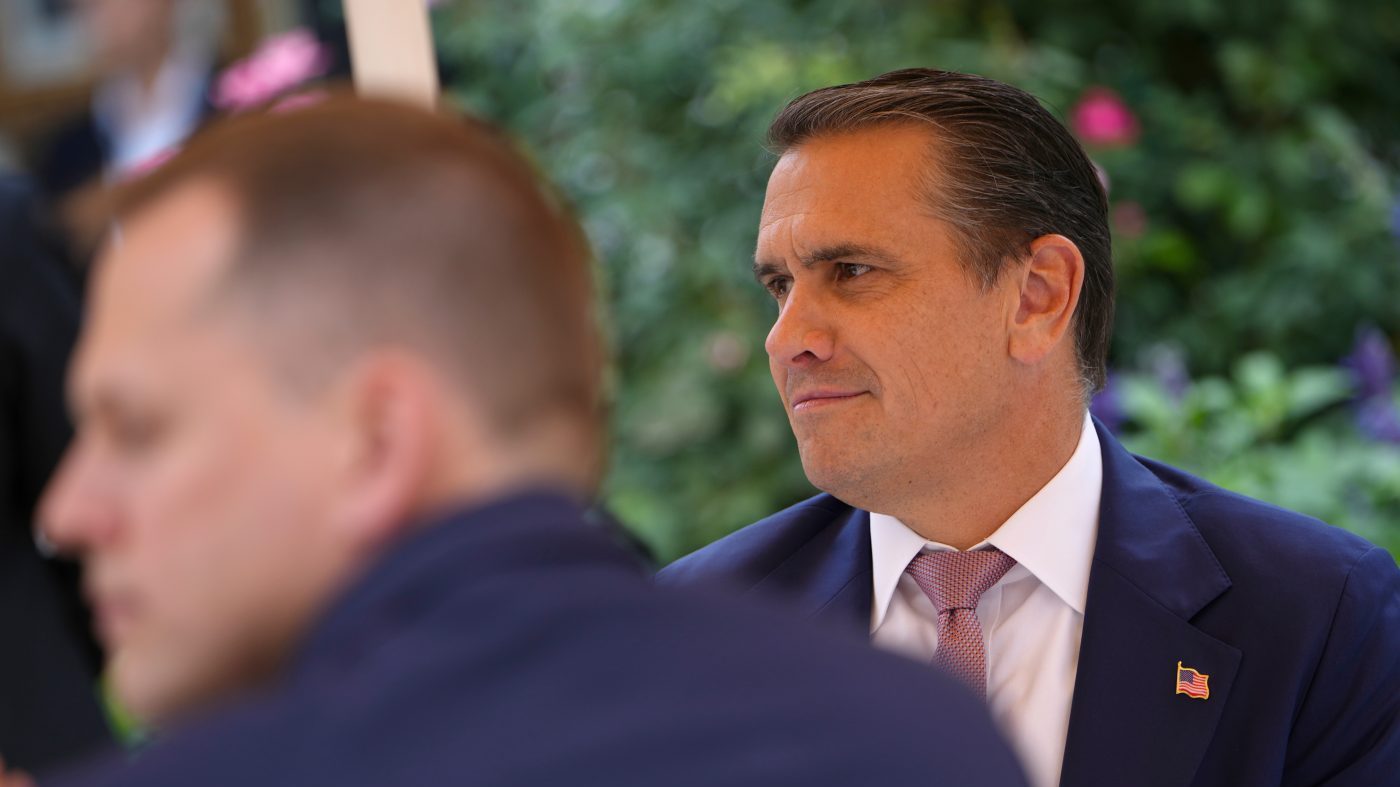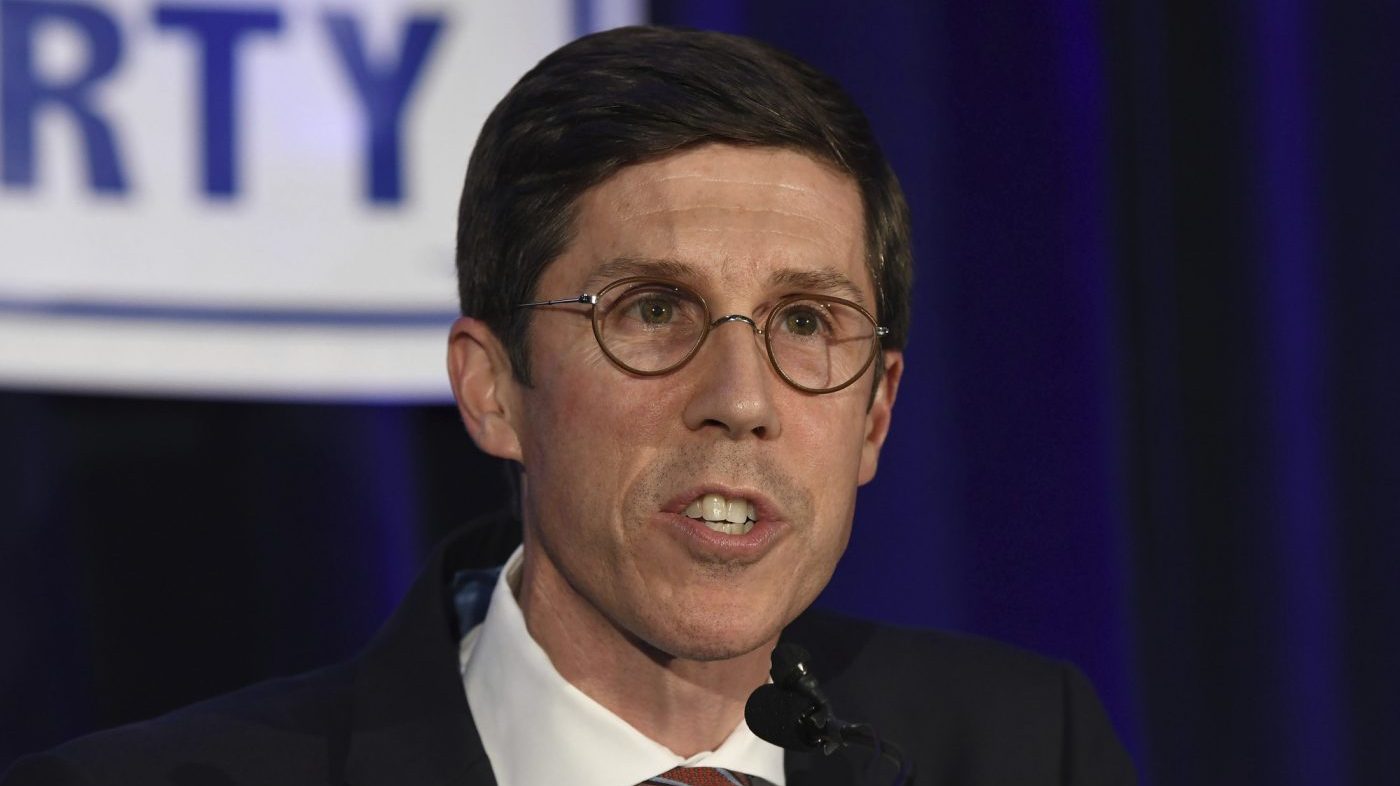
State Rep. David Morales (D) has defeated incumbent Providence Mayor Brett Smiley (D) in Tuesday's Democratic primary, according to Decision Desk HQ. The projected outcome marks a significant upset and a clear signal of the left's growing influence within the Democratic Party.
Morales, a 27-year-old democratic socialist, holds a roughly 14-point lead over Smiley, with the Associated Press calling the race in his favor. The win positions him as the overwhelming favorite in November's general election, given Providence's deep-blue electorate.
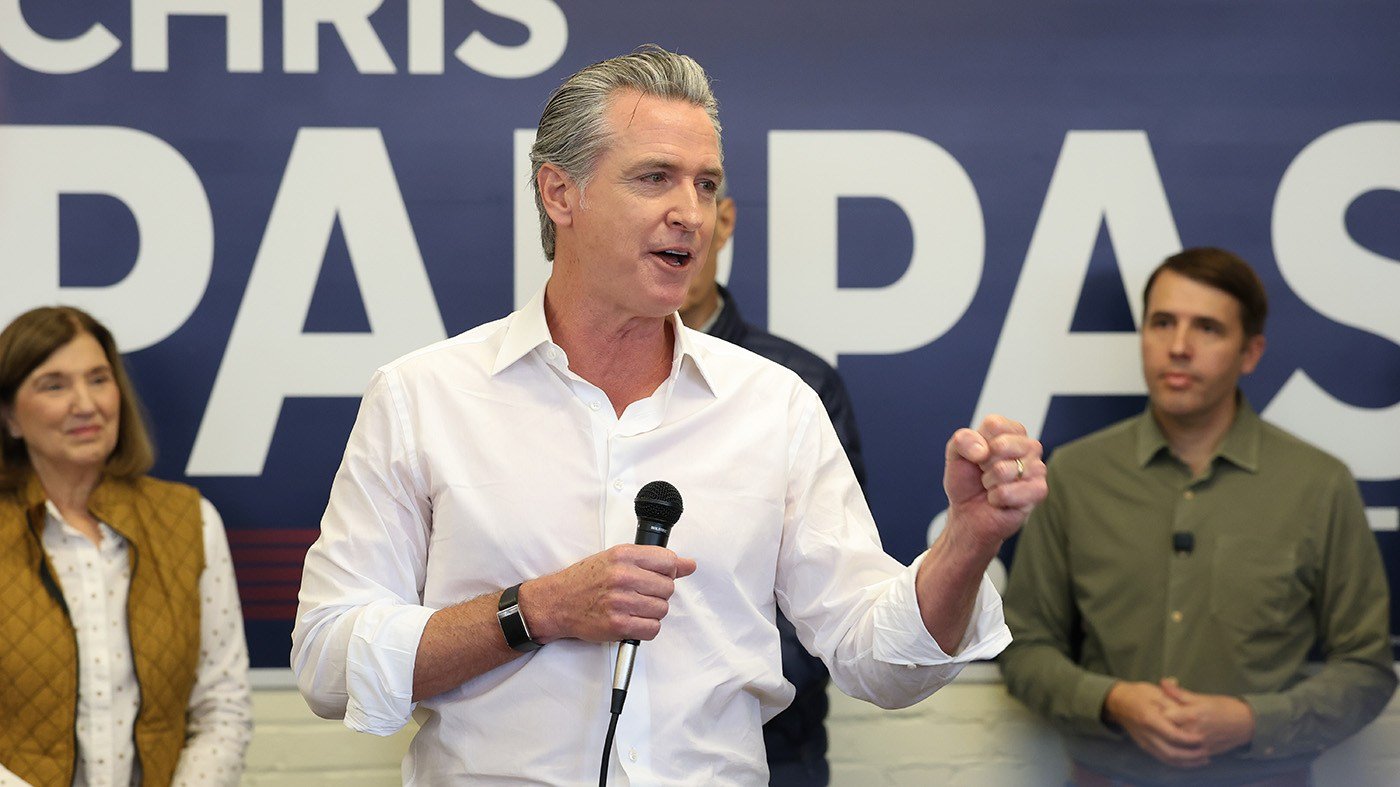
The primary result is the latest in a series of victories for progressive candidates across the country, echoing recent successes in Rhode Island's other Democratic primaries and beyond. Morales's campaign leaned heavily on grassroots organizing and a platform centered on housing affordability, public transit, and police reform, resonating with voters who felt the incumbent had drifted from the city's progressive priorities.
Smiley, 47, had served as mayor since 2022, following a career as chief of staff to former Gov. Gina Raimondo and director of the state Department of Administration. His campaign boasted endorsements from Raimondo, who later served as U.S. Commerce Secretary, and former Transportation Secretary Pete Buttigieg. Morales, by contrast, drew support from Sen. Bernie Sanders (I-Vt.) and Rep. Ro Khanna (D-Calif.), underscoring the national divide between the party's establishment and its left flank.
Political analysts note that Smiley's loss fits a pattern of incumbents facing challenges from the left, a trend that has also played out in other races, including the Rhode Island governor's primary, where a progressive challenger toppled a sitting governor. The results suggest that Democratic voters are increasingly rewarding candidates who take bold stances on economic inequality and systemic reform.
Morales is set to join a growing cohort of democratic socialist mayors, including New York City's Zohran Mamdani, who have won office on similar platforms. In Washington, D.C., council member Janeese Lewis George is leading in the mayor's race, and in Los Angeles, council member Nithya Raman is challenging Mayor Karen Bass. These races indicate a broader shift within the party, as progressive candidates gain traction in urban centers.
For Providence, the transition to a Morales administration is expected to bring a more confrontational approach to issues like landlord accountability and the city's relationship with the police union. Morales has vowed to expand the city's community land trust and to redirect funds from policing to social services, promises that have energized his supporters and alarmed some moderate Democrats.
Smiley conceded the race on Wednesday, thanking his staff and volunteers and urging unity ahead of the general election. "I wish David the best," he said in a statement. "It's time for our city to come together and move forward."
Morales's victory is also a testament to the organizational power of the Democratic Socialists of America and allied groups, which have made Providence a focal point of their electoral strategy. The outcome is likely to embolden progressive campaigns in other cities, even as the party's centrist wing grapples with its electoral setbacks.
As the general election approaches, Morales is expected to campaign on a platform of transformative change, with a focus on affordable housing and economic justice. His win in the primary is a clear indication that the Democratic Party's leftward momentum shows no signs of slowing.