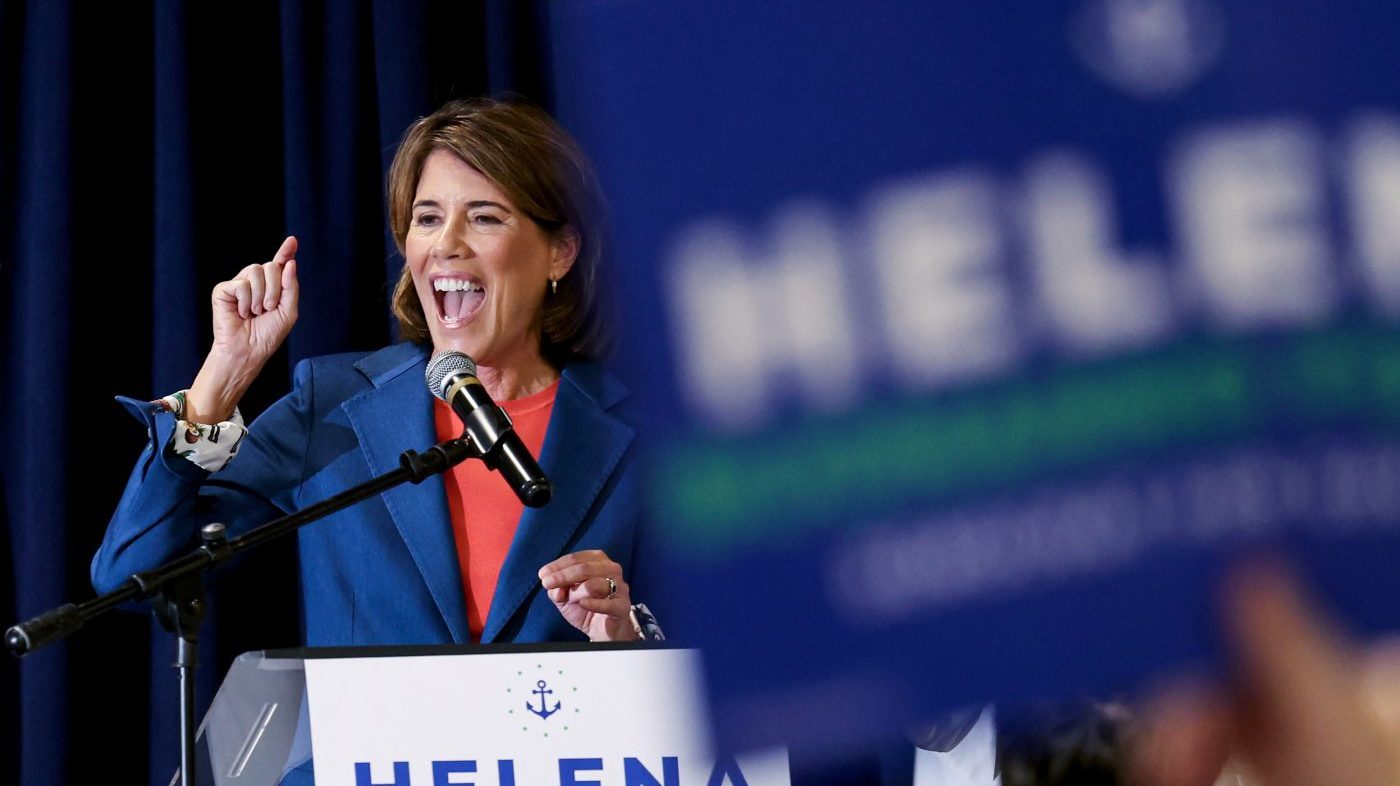
Rhode Island Governor Dan McKee has been defeated in the Democratic primary by Helena Foulkes, a former CVS executive, according to projections from Decision Desk HQ. Foulkes held a commanding lead of nearly 25 percentage points, capturing about 62 percent of the vote to McKee's 38 percent.
This primary was a rematch of the 2022 contest, where McKee narrowly edged out Foulkes. This time, however, voters sent a clear message of dissatisfaction with the incumbent's leadership.
McKee, who assumed office in 2021 after Gina Raimondo resigned to join the Biden administration, faced intense criticism over his handling of the closure of the Washington Bridge. The bridge, which connects Providence to East Providence, was shut down in 2023 after engineers discovered structural defects that posed a collapse risk.
The governor has defended his administration's response, noting that demolition was completed ahead of schedule and that the bridge is expected to reopen by 2028. Yet, polling before the primary indicated that voters remained unconvinced, with Foulkes consistently leading.
During the campaign, McKee attacked Foulkes over CVS's role in the opioid epidemic. The company agreed to a $5 billion settlement in 2022 over its involvement in opioid distribution. Foulkes countered that CVS aggressively cracked down on "pill mill" doctors and achieved a "almost 40 percent reduction in opioids" during her tenure.
With the Cook Political Report rating the Rhode Island governor's seat as "solid Democrat," Foulkes is now the overwhelming favorite to win the general election in November. Her victory in the primary marks a significant shift in the state's political landscape, as she will likely face a Republican opponent in a heavily Democratic state.
Foulkes's win also highlights the growing influence of business leaders in politics, as she leverages her corporate experience to appeal to voters concerned about infrastructure and economic management. Meanwhile, McKee's defeat serves as a cautionary tale for incumbents who struggle to address visible public crises.
As the general election approaches, Foulkes will need to unify the party and address the issues that drove voter frustration, including infrastructure, healthcare, and economic recovery. Her success will be closely watched as a bellwether for similar races across the country.