With the midterm elections just days away, the White House is struggling to counter a stubborn economic reality: gas, diesel, and food prices remain painfully high, and voters are taking notice. Despite a flurry of executive actions and a high-profile deal with Russia, the president has been unable to ease the financial pressure on American households, leaving Republican candidates exposed to a wave of voter discontent.
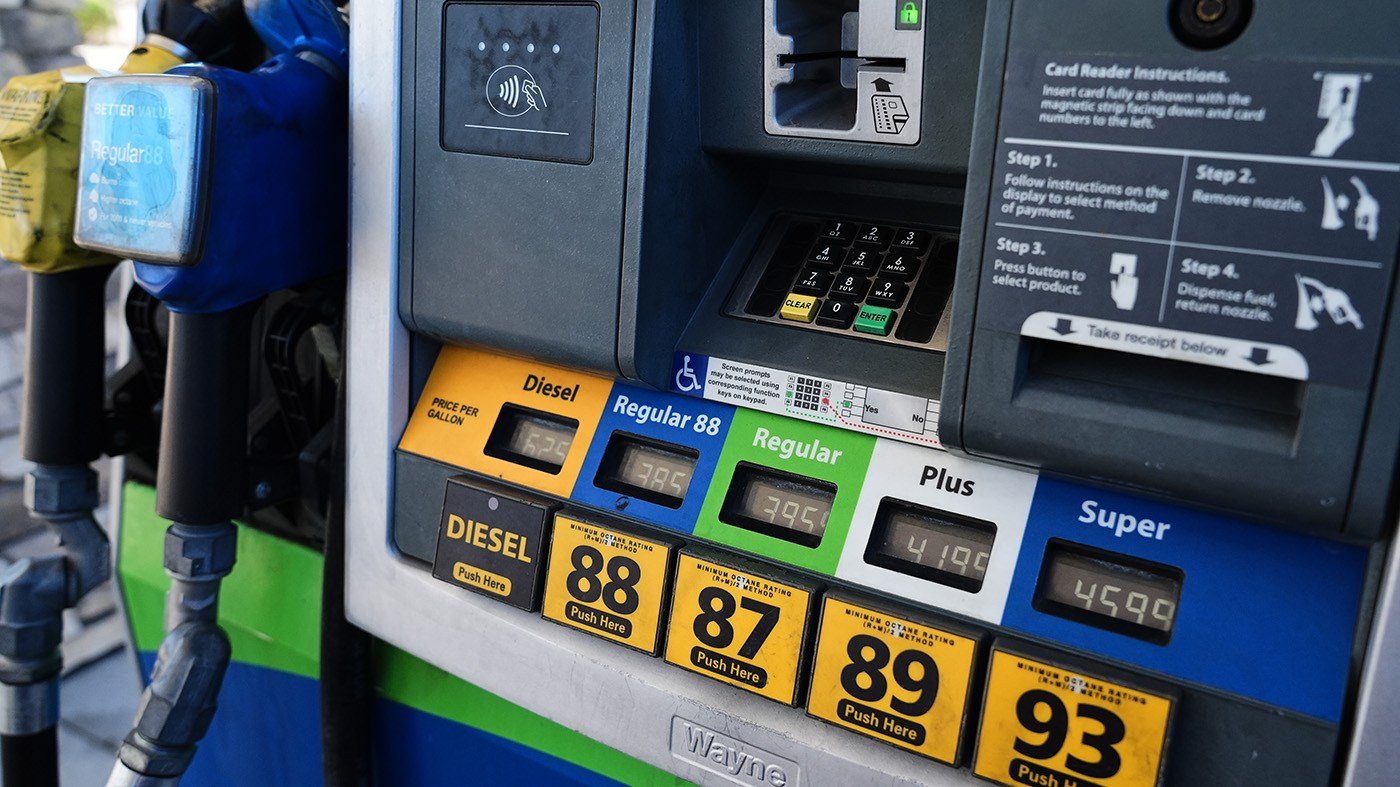
According to economic analysts, the administration's diesel import agreement with Moscow has had minimal impact on pump prices. The national average for diesel hit $6.28 per gallon on Friday, a sharp jump from the $3.72 recorded in February, before the outbreak of hostilities with Iran. This surge in fuel costs has cascaded into the grocery aisle, where the price of ground beef now hovers around $6.80 per pound, despite a presidential order in August to import 300,000 metric tons of foreign beef.
Housing costs are also weighing on voters. The average 30-year fixed mortgage rate stands at 7.32 percent, and pending home sales fell 7.3 percent in September from the previous month, according to the National Association of Realtors. The 21st Century Road to Housing Act, passed by Congress in July, has done little to revive a market that remains deeply unaffordable for many. On Thursday, Trump signed an executive order aimed at lowering insurance premiums and refinancing costs for some government-backed loans, but experts doubt it will move the needle before Nov. 3.
The cumulative effect is a sour national mood that could cost Republicans control of the House and possibly the Senate. Even in traditionally red states like Alaska, Iowa, Kansas, and Texas, Democratic challengers are seeing opportunities. "The economists tell us the economy is doing well," said Brian Darling, a Republican strategist. "But the bottom line is Americans aren't feeling it. They're paying higher prices for gas, higher prices for groceries."
Darling noted that the diesel deal with Russia has not provided relief, calling diesel inflation "the most extreme energy inflation we're seeing." He warned that if gas prices creep up again before Election Day, it could be a tiebreaker in close races. "That's something that's been a real problem for Republicans," he added.
In response, Trump has invoked the Defense Production Act to boost domestic oil production and refining, but economists say such measures take time. "Gas prices are not going to come down until we have an end to the war and a ramp-up of production and shipping through the Strait of Hormuz," said Neale Mahoney, a Stanford economics professor. He pointed out that negotiations with Iran have "been largely going sideways," and he doesn't expect any sharp deviation.
The strain is visible in global oil markets. Brent crude climbed above $116 a barrel on Friday, a six-month high, while West Texas Intermediate rose nearly 4 percent to close at $103. These increases are filtering into food prices, as fertilizer exports from the region are disrupted. "Over time, the increase of the price of fertilizer works its way through into agricultural prices," Mahoney explained, adding that the combination with El Niño could further strain global food supply. "Gas and food are the prices that consumers see most often," he said, "and they're the ones people are most frustrated about."
New data underscores the public's pessimism. The University of Michigan's consumer sentiment index fell to near a record low in October, with consumers 15 percent less optimistic than in February. A CNBC survey found that 80 percent of Americans rate the economy as fair or poor, and only 33 percent approve of Trump's handling of the economy. Even among Republicans, 35 percent say they are pessimistic.
Trump has tried to project confidence, touting investments like a new $4.2 billion Audi plant in Georgia and rallying supporters in key states. But with time running out, the economic headwinds appear too strong for the president to reverse. As Darling put it: "If gas prices go up between now and Election Day, that may be the tiebreaker in many of these close races."