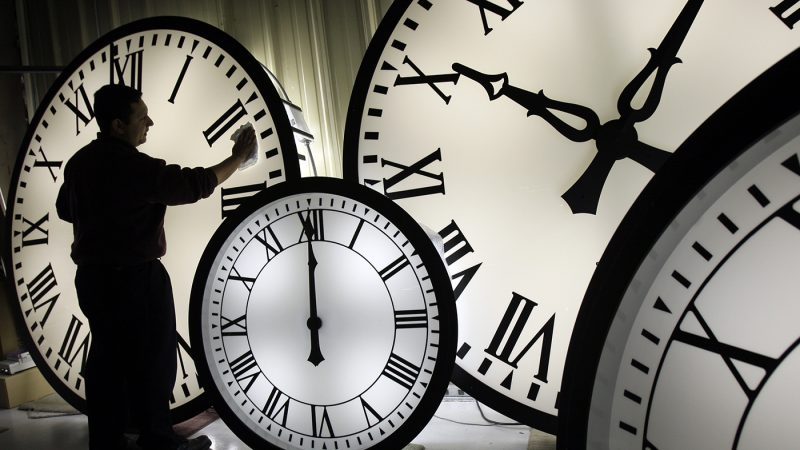
As Americans prepare to set their clocks back an hour next month, the familiar ritual of seasonal time change continues—but it almost didn't. This year, Congress considered three distinct approaches to daylight saving time, and none made it to the president's desk.
The Three Proposals
The most prominent was the Sunshine Protection Act, which would have made daylight saving time permanent year-round. The House passed it, and the Senate was expected to follow, with President Trump expressing support. However, the Senate adjourned without voting, and Majority Leader John Thune indicated the bill has no clear path forward.
A second approach was to keep standard time permanently, eliminating the spring-forward and fall-back altogether. This idea has gained traction among some lawmakers and health experts who argue that standard time aligns better with human circadian rhythms.
The third option was to maintain the current system—switching between standard and daylight saving time twice a year—but with tweaks, such as extending daylight saving time into the winter months or adjusting the transition dates to minimize disruption.
Why It Failed
The Senate's inaction was the immediate cause. The chamber adjourned for the election season, and with a crowded legislative calendar, the issue was pushed aside. Thune's comment underscored the lack of momentum. Additionally, resistance from senators concerned about school start times and other logistical impacts further complicated the debate.
Proponents of permanent daylight saving time argue it would boost retail sales, reduce traffic accidents in the evening, and provide more after-work sunlight. Opponents, including many sleep scientists, warn that permanent daylight saving time could lead to chronic sleep deprivation, especially in northern states where winter mornings would remain dark until late.
What Happens Next
With the Senate not expected to reconvene until after Election Day, the issue is effectively dead for this year. Clocks will fall back on the first Sunday of November, as mandated by current law.
But the debate is far from over. Advocacy groups and some lawmakers are already planning to reintroduce legislation in the next session. The question remains whether Congress can overcome its habitual avoidance of the issue and deliver a change that affects every American.
For now, the only certainty is that Americans will continue to adjust their clocks twice a year, a practice that many find outdated and disruptive. As the sun sets earlier each evening, the political clock on this issue continues to tick.