The debate over making daylight saving time permanent has collided with a stubborn reality: the nation's school start times. Senators worried about children commuting in pre-dawn darkness are resisting legislation—already passed by the House and championed by President Trump—that would end the twice-yearly clock changes.
Proponents of permanent daylight saving time argue that schools could simply shift their schedules later. But school administrators and even advocates for delayed start times say that's far easier said than done, given the logistical and financial hurdles involved.
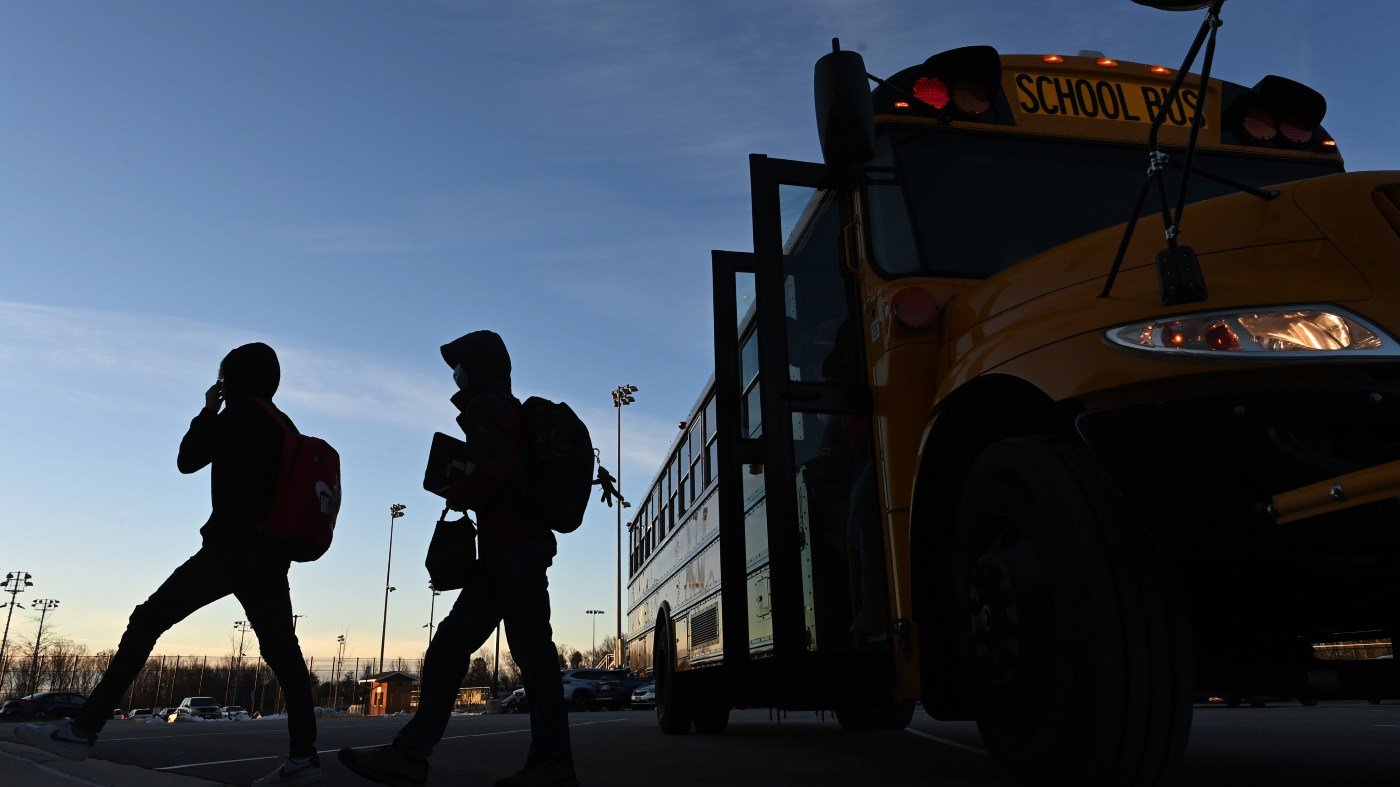
“What often gets overlooked is that schools already begin very early, and many kids are already heading to class in the dark,” said Terra Ziporyn Snider, executive director of Start School Later. “If we moved to permanent daylight saving time, even more students would be in darkness unless schools changed their hours.” She added, “It comes down to a lack of political will. It's enormously difficult to run schools at times that are safe and allow kids to get healthy sleep. The prospect of pushing start times even later is daunting, but it's possible when there's a real need—and maybe a shift to DST would force that conversation.”
Currently, the average high school opens its doors just after 8 a.m., but many start around 7:30 a.m., and in Florida, some as early as 7 a.m. Under permanent daylight saving time, parts of the country would see sunrises after 9 a.m. in the winter months.
Sen. Tom Cotton (R-Ark.) has become a vocal opponent, even after Trump publicly targeted him on Truth Social, going so far as to post Cotton's personal phone number. Cotton responded, “No one likes changing the clocks, me included, but Congress has tried permanent DST before and reversed it every time once Americans endured absurdly late sunrises. Arkansans don't want their kids going to school in pitch dark, and I'll always put Arkansas first.”
Cotton isn't alone. Senate Majority Leader John Thune (R-S.D.) noted, “I'm from a northern clime. I voted against it in committee.” The House passed the Sunshine Protection Act by a wide margin—308–117—but the Senate remains divided, with both Republicans and Democrats expressing reservations.
For many districts, the issue is already pressing. Dennis Willingham, superintendent of Walker County Schools in Alabama, said, “We're rural. Most of the year, kids are waiting for the bus in the dark. Our staff is trained to keep them safe at bus stops, but it's a real concern.”
The stakes are underscored by research. A CDC review of 38 studies found that schools starting at 8:30 or later see better student sleep, academic gains, higher attendance, and reduced risky behavior. Yet shifting schedules is complicated by parental work hours, after-school activities, and the need to coordinate with neighboring districts.
Clayton Lavercombe, freshman principal at Springboro High School in Ohio, explained, “Extracurriculars and athletics are part of the educational experience. You have to align end times with other schools—if you end at 4 p.m. and they end at 2 p.m., sports scheduling becomes a mess.” Some schools have even moved start times earlier to accommodate sports travel.
For many families, after-school programs double as childcare while parents finish work. An earlier start would flip that arrangement, creating new childcare burdens in the morning and complicating life for educators with their own children. As Lavercombe put it, “Nobody can just solve this with a flick of a switch. There are many ramifications.”
With the Senate stalled, the fate of permanent daylight saving time remains uncertain, but the debate has spotlighted the fragile balance between policy goals and the practical realities of American school life. For more on the legislative gridlock, see why the Senate is leaving students in the dark.