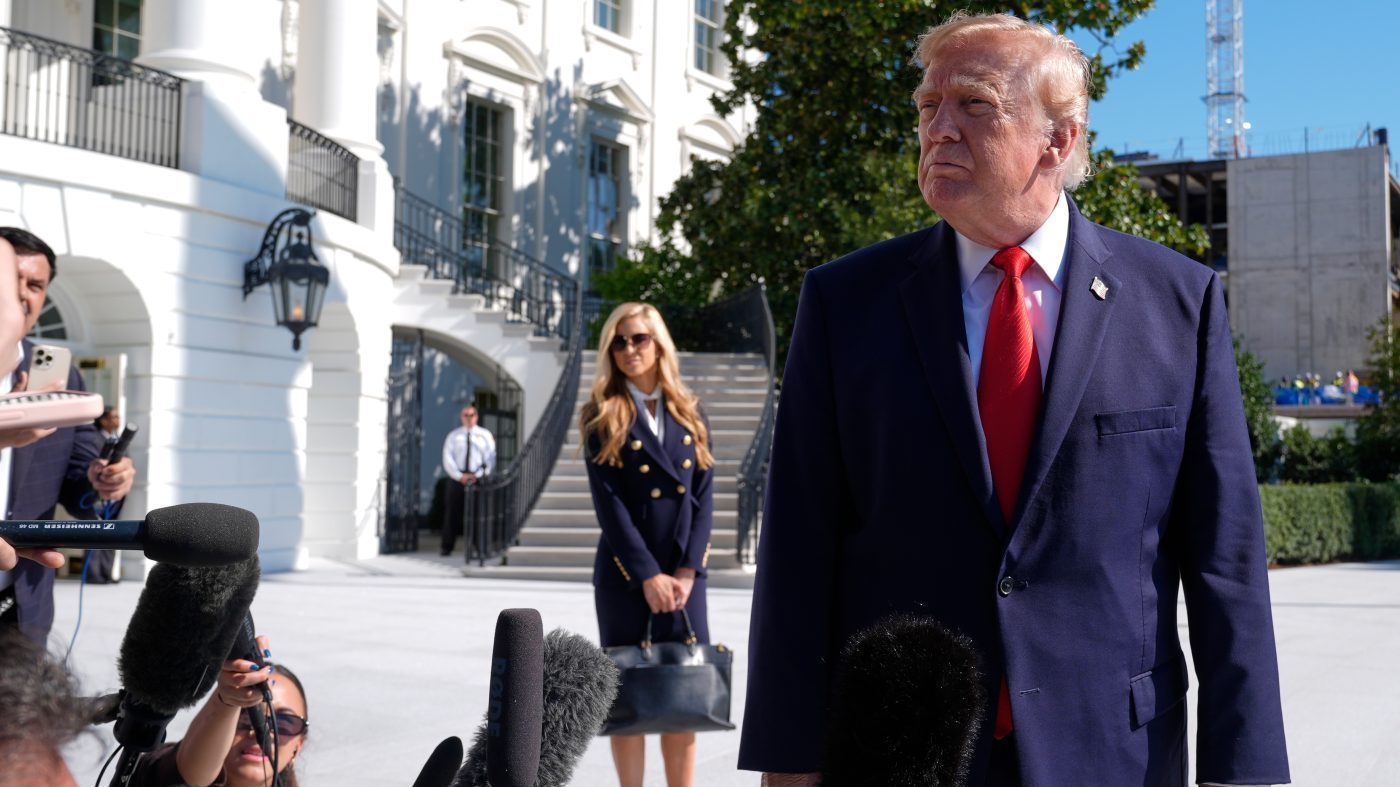
President Trump on Tuesday appeared to shrug off Russia's continued missile and drone strikes on Ukrainian energy infrastructure, a day after he announced an "energy ceasefire" that he claimed Moscow had agreed to. Speaking to reporters as he departed the White House, Trump said, "Ukraine hit many sites the day before," and added, "They're both a little bit off."
The comments came after Russia launched fresh attacks on Monday, undercutting the ceasefire announcement that had raised hopes for a de-escalation in the five-year war. When pressed on whether Russia had violated the agreement, Trump replied, "I'll let you know about that later."
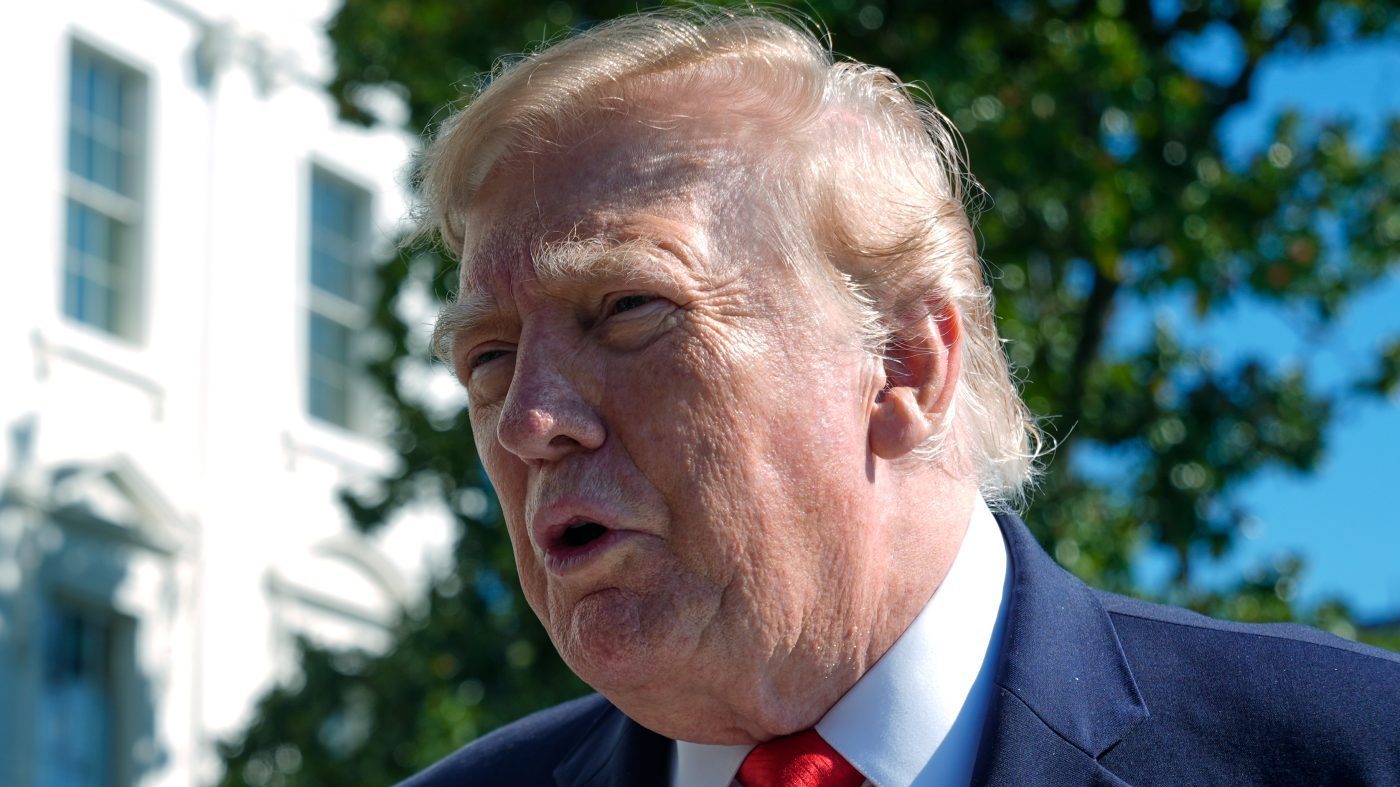
Trump insisted that both Kyiv and Moscow are eager to end the conflict but lack a clear path forward. "They're hitting each other, but it'll all come to an end. They both want it to come to an end, they just don't know how to get there," he said.
The president's remarks follow a contentious week in which he unveiled a surprise deal with Russian President Vladimir Putin to allow diesel exports to the United States, a move aimed at easing fuel costs but which has drawn sharp criticism from Ukraine, European allies, and even some Republican senators. The agreement lifts sanctions on Russian diesel and is expected to generate hundreds of millions of dollars for Moscow's economy, potentially bolstering its war effort. Under the plan, the U.S. would import an estimated 2.5 million tons of fuel from Russia.
Ukrainian President Volodymyr Zelensky called Trump "weak" for making the deal. In response, Trump reportedly had U.S. officials warn European capitals and Kyiv over the weekend that intelligence sharing and weapons deliveries could be cut off if Ukraine continued striking Russian oil refineries. Asked on Tuesday whether the U.S. had halted intelligence sharing, Trump said, "No we haven't. We help them. But we're really helping them get to a final answer, we want the war ended."
Trump also sought to distance himself from the diesel agreement, describing it as "a deal for the world" rather than a bilateral arrangement with the U.S. The administration's mixed messaging has left allies and lawmakers scrambling to understand the policy, with some questioning whether the president is prioritizing domestic fuel prices over long-term security commitments. As the White House navigates the fallout, Trump's latest comments suggest he remains focused on brokering a broader settlement, even as the fighting continues.