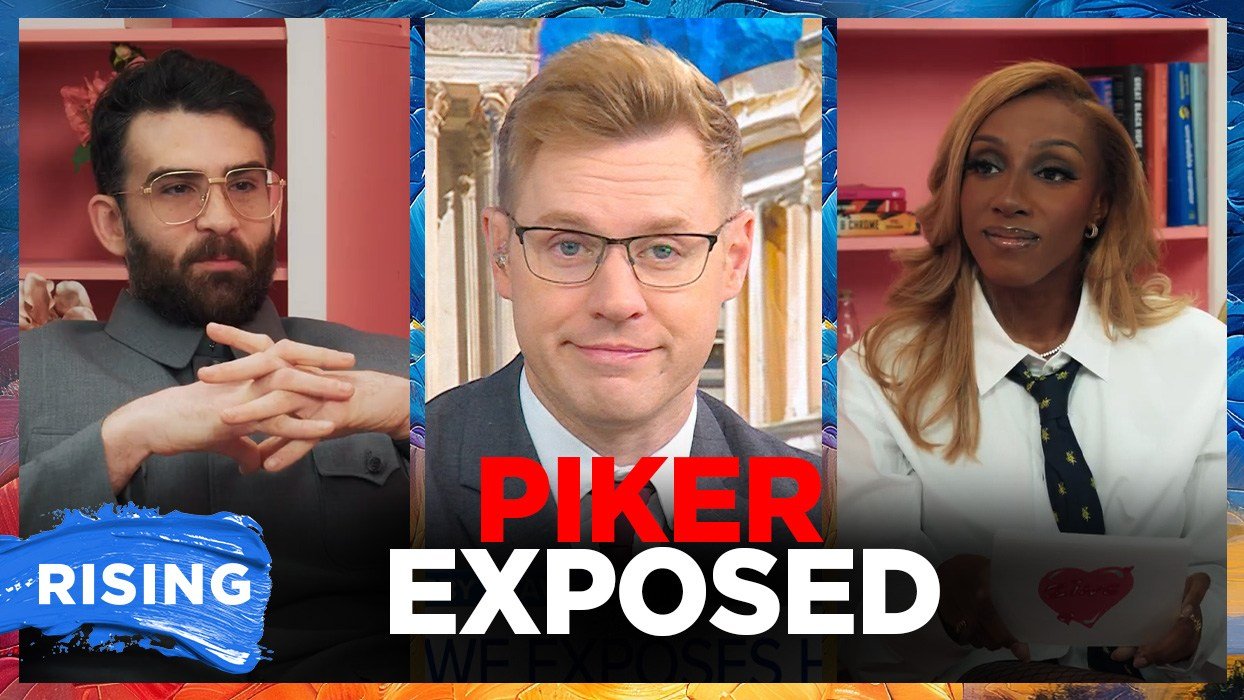
In a viral interview, comedian and YouTuber Ziwe delivered a searing critique of Twitch streamer Hasan Piker, exposing the glaring contradictions between his socialist persona and his privileged lifestyle. The exchange has reignited debates about the influence of independent left media and the tolerance of extremist views within the Democratic coalition.
Ziwe, known for her pointed interviews that skewer guests' hypocrisies, pressed Piker on his controversial statements and actions. She highlighted the absurdity of Piker, who often dresses in communist iconography, living in luxury and benefiting from family connections in media. Piker's uncle is Cenk Uygur, co-founder of The Young Turks, a connection that helped launch his career.
The interview also touched on Piker's history of praising authoritarian regimes. In a detailed analysis for The Atlantic, Jonathan Chait documented Piker's sympathetic comments about North Korea, including his claim that the country's economic progress "shows you that a better future is possible for all of us." Piker has also dismissed Western media portrayals of North Korea as overly negative, ignoring the regime's brutal oppression.
Ziwe confronted Piker about mocking a Vietnamese refugee who warned about the dangers of communism. Piker not only admitted to the mockery but defended it as justified. This callousness, critics argue, reveals a broader contempt for anyone who does not adhere to his far-left ideology, as well as a disregard for the millions who suffered under communist regimes.
The interview comes amid heightened scrutiny of Piker's rhetoric. Recent controversies include his comparison of terrorism to U.S. military actions, which drew bipartisan condemnation, and his growing influence over the Democratic base, as even Senator John Fetterman acknowledged. These incidents have fueled concerns that the left is increasingly tolerant of extremism.
While some conservatives have fixated on Piker personally, the deeper worry is what he represents: a strain of left media that glorifies foreign dictators and attacks moderation. As Piker's star rises, so does the question of whether the Democratic Party will embrace or reject such voices.
Ziwe's interview served as a rare mainstream takedown of Piker's inconsistencies, earning praise for its sharpness. In a media landscape often hesitant to call out left-wing extremism, her performance stands out as a necessary corrective.