Hopes for an end to the biannual clock change were dashed this week when the Senate adjourned without taking up the Sunshine Protection Act, a bill that would make daylight saving time permanent. The House had passed the measure earlier this year with backing from President Trump, but the upper chamber's failure to act means Americans will still "fall back" in November.
The bill's stall has frustrated supporters who argue that permanent daylight saving time would bring later sunsets and more evening light. However, new data reveals a significant drawback: while winter sunsets would be delayed, sunrise would also occur later, potentially forcing students to commute to school in darkness.
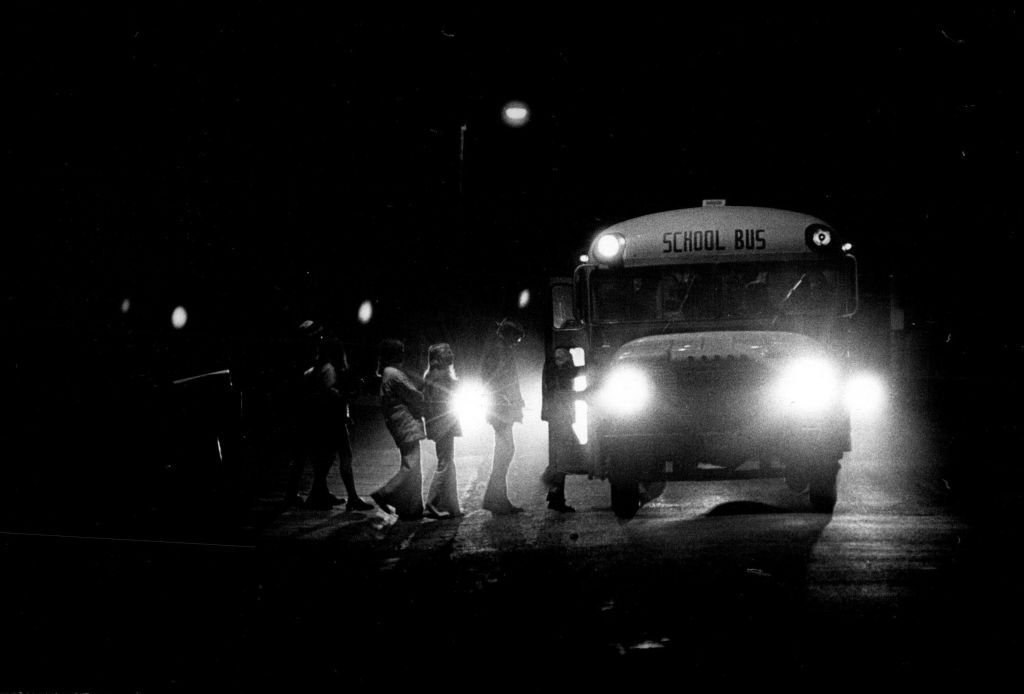
"While permanent daylight saving time would cause the sun to set later in winter, the sun would, in turn, rise later in the morning," according to an analysis of the proposal's effects. In many parts of the country, sunrise would not occur until after 8 a.m. during the winter months, meaning children would be waiting for buses or walking to school before dawn.
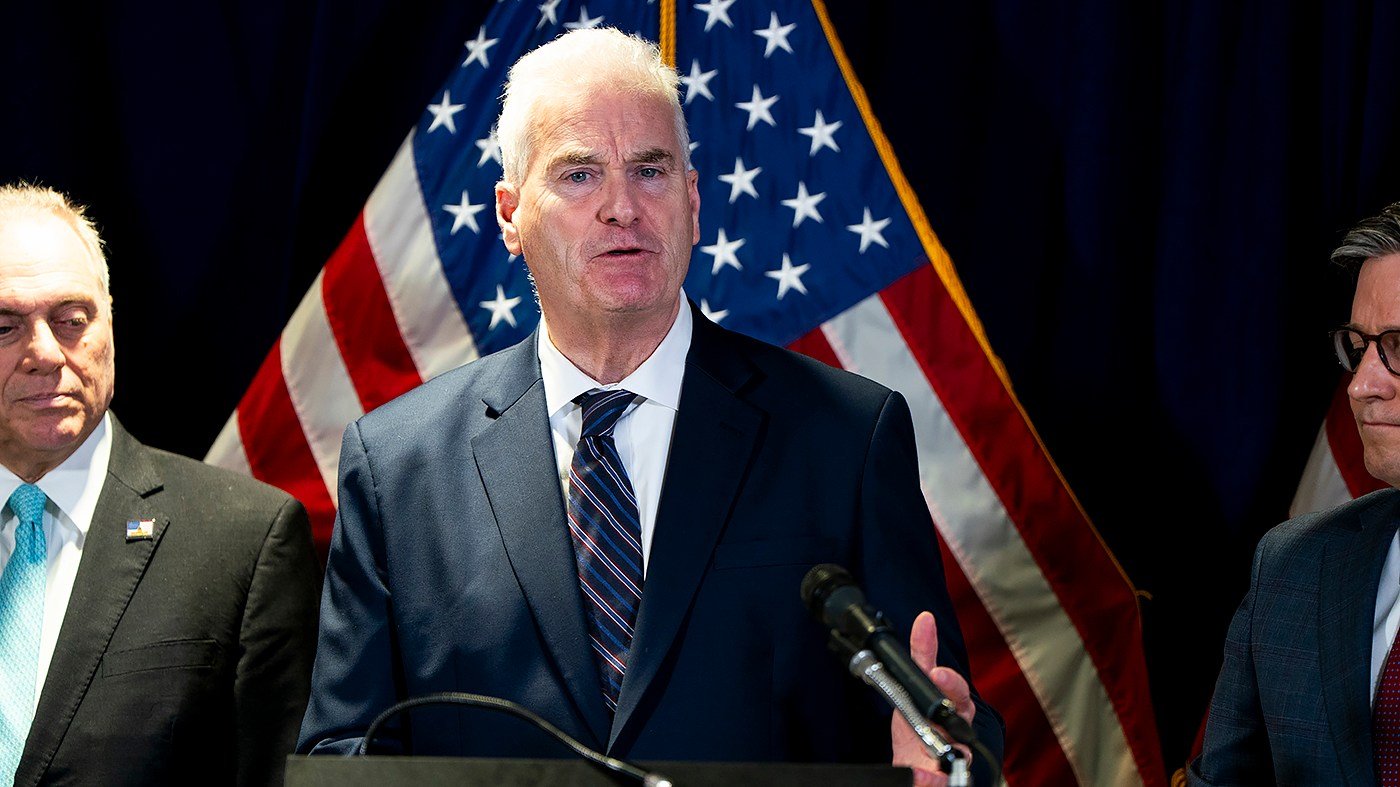
The Senate's inaction has been attributed in part to opposition from Senator Tom Cotton (R-Arkansas), who has been a vocal critic of the bill. Cotton has argued that permanent daylight saving time would disrupt sleep patterns and force children to go to school in the dark. His stance puts him at odds with President Trump, who has publicly urged supporters to pressure Cotton to support the measure.
In a controversial move, President Trump shared Cotton's personal cellphone number online and encouraged people to call and tell the senator that permanent daylight saving time "would be a GREAT Bipartisan WIN." The incident underscores the intensity of the debate and the president's willingness to use unconventional tactics to push his agenda.
Despite the president's efforts, the Senate adjourned without scheduling a vote, effectively killing the bill for now. Supporters of the Sunshine Protection Act, including many in states that have already passed resolutions to adopt permanent daylight saving time, expressed disappointment. Nineteen states have enacted laws or resolutions to make daylight saving time permanent if Congress allows it.
The debate over daylight saving time is not unique to the United States. Canada has also been considering permanent daylight saving time, with some provinces moving forward even as the U.S. bill stalls in the Senate. The issue remains a topic of discussion among policymakers and the public, with strong opinions on both sides.
As it stands, Americans will need to adjust their clocks again in November, and the prospect of permanent daylight saving time remains uncertain. For now, students and commuters can expect the usual seasonal shifts in daylight, with all the accompanying challenges.