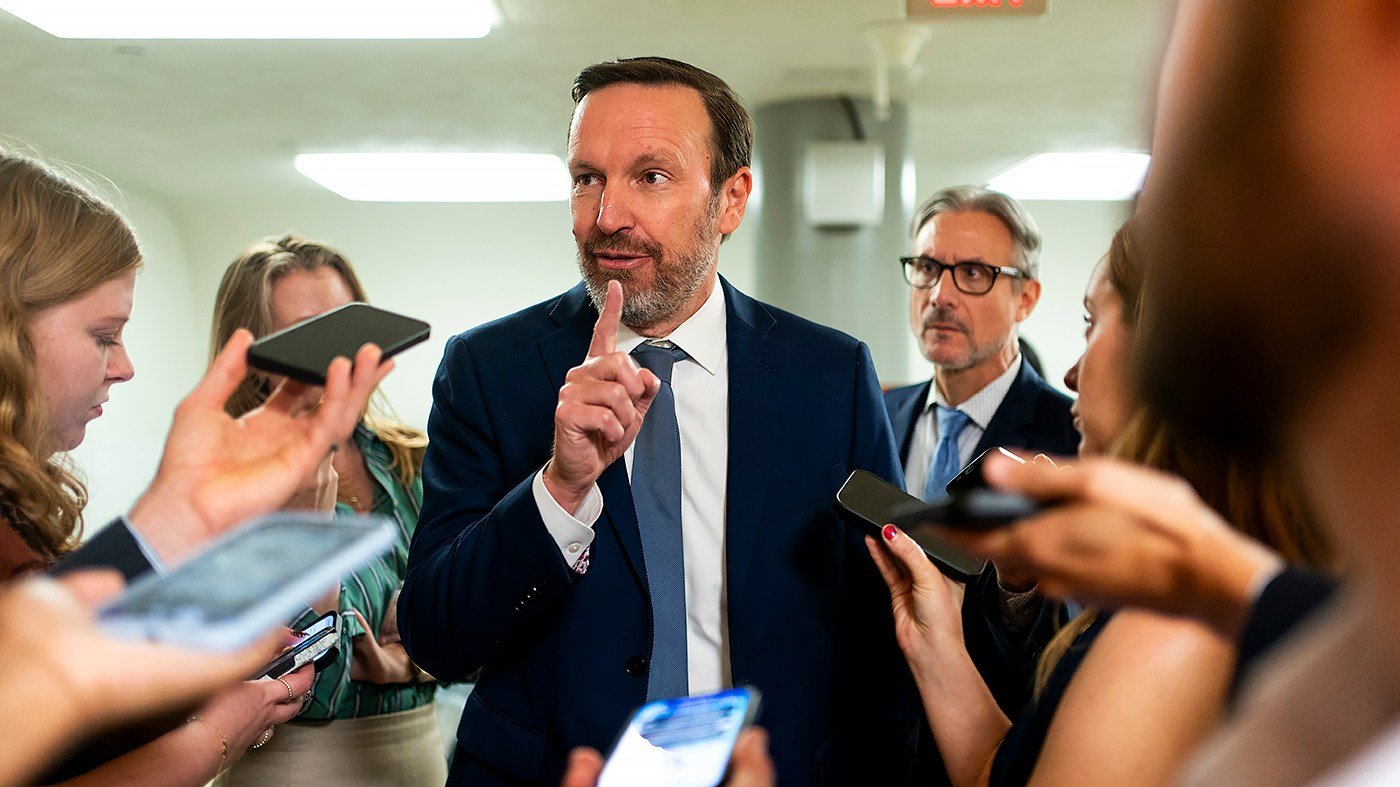
Sen. Chris Murphy (D-Conn.) returned from a congressional trip to the Middle East this week with a sharp accusation: the Pentagon is deliberately obstructing congressional oversight of the Iran war to conceal its true costs.
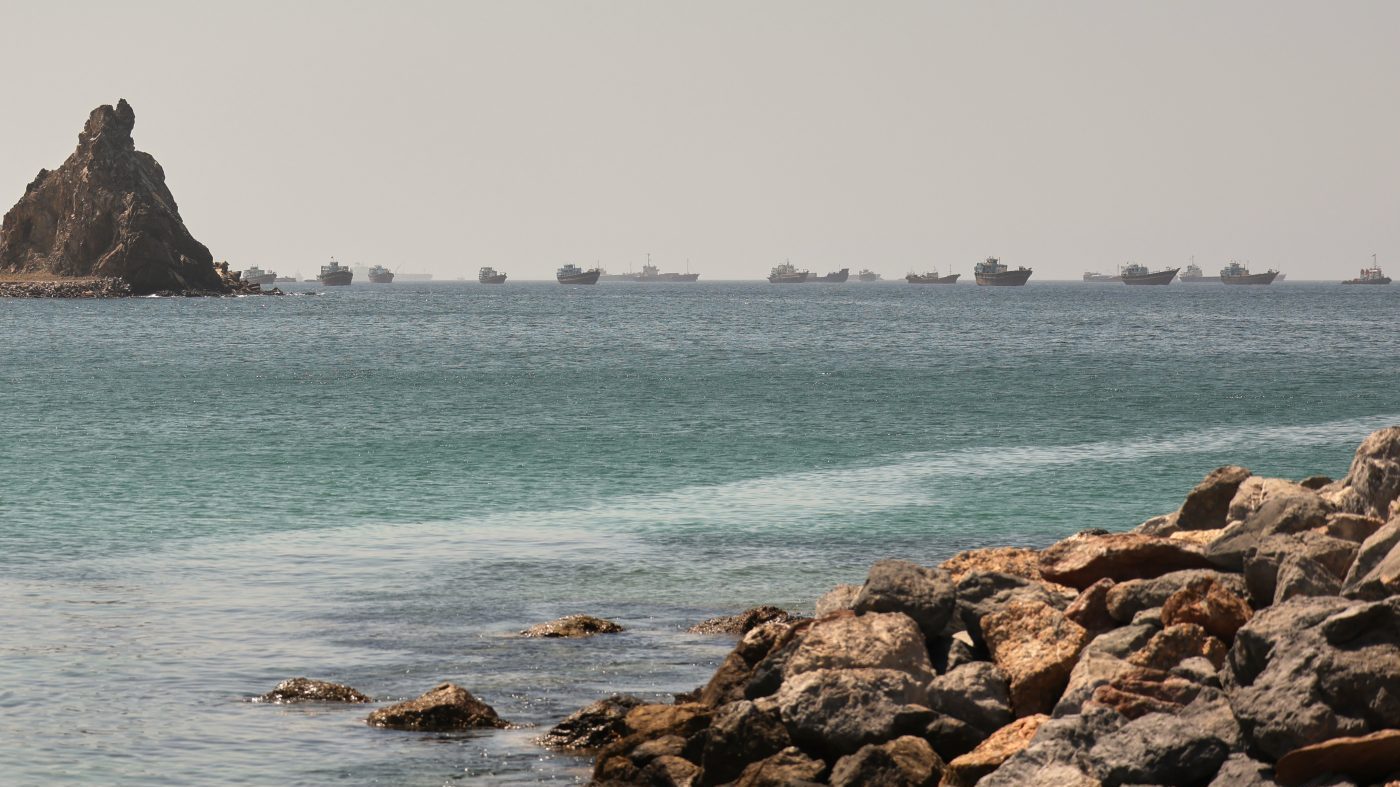
Murphy, a member of the Senate Foreign Relations and Appropriations committees, visited Qatar and Saudi Arabia, where he met with senior officials and inspected the U.S. embassy in Riyadh. He described the damage from a March drone strike as “extraordinary.” But his request to visit Al Udeid Air Base in Qatar—the largest U.S. military installation in the region, housing up to 10,000 troops—was denied. The base has come under repeated Iranian attack since the Trump administration launched its war on Iran on Feb. 28.
“They are using every tool they can, including withholding information about damages, slow-walking the pace of reports about casualties and denying us access to see the damage as part of a campaign of cover-up, so as to mask the true cost of the war,” Murphy told reporters Thursday.
The rejection marks the first time in Murphy’s two decades on Capitol Hill that he has been barred from a military base for oversight purposes, he said. He contrasted it with trips to Iraq and Afghanistan during the heights of those wars. “I was flown by the military to a forward operating base in Afghanistan at the very moment that base was under attack by the Taliban,” Murphy recalled. “Why? Because it’s Congress that decides whether to fund a war or whether to defund a war, whether to authorize a war, and we can’t do our job without seeing in person the consequences of the war.”
Murphy also sought a briefing from U.S. military leaders in the Gulf but was denied by the Pentagon. He raised the issue with Gen. Brad Cooper, head of U.S. Central Command, who promised to see if a briefing could be arranged. “My impression was that he didn’t support either policy—the policy to deny access to the bases, nor the policy to refuse briefings,” Murphy said. “But apparently, he couldn’t change [Defense] Secretary [Pete] Hegseth’s mind.”
A senior Pentagon official said Murphy’s office was informed in advance that he would not be permitted to visit Al Udeid, citing Hegseth’s March directive on travel restrictions. “That decision was communicated in advance by the Office of the Secretary of War for Legislative Affairs. The Department applies the Secretary’s guidance evenly,” the official told The Hill.
The trip comes as new details emerge about the war’s toll. According to a Congressional Research Service report prepared for lawmakers, at least 81 U.S. military aircraft and drones have been damaged or destroyed since the conflict began, including 45 MQ-9 Reaper drones, three MQ-1 Predator drones, and one MQ-4C Triton. The war has also depleted U.S. stockpiles of long-range missiles and interceptors, forced consideration of a smaller military footprint in the region, and damaged diplomatic facilities in Iraq, Kuwait, Saudi Arabia, and the United Arab Emirates. In mid-September, Centcom told Congress the conflict had cost $43.6 billion.
Murphy’s visit coincided with an escalation between Saudi Arabia and Iran-backed Houthi rebels in Yemen. A Houthi attack on Riyadh’s international airport on Saturday killed 12 people, including an American, and injured hundreds more.
During his trip, Murphy spoke with Saudi Crown Prince Mohammed bin Salman, a leader he has frequently criticized for human rights abuses. He said their conversation focused on “Trump’s foreign policy corruption.” Murphy pointed to the president’s willingness to sell F-35 fighter jets to Saudi Arabia and accept a Boeing 747 from Qatar for use as Air Force One. “These were hard conversations, but I think that they were very important, especially since most of the dialogue our leaders in the Middle East are having is with corrupt members of the Trump administration who often have their hand out, looking to monetize American foreign policy,” he said.
Murphy, a potential 2028 Democratic presidential contender, argued the war should force a rethink of the U.S. military posture in the region. “It is a moment for the United States to reconsider its footprint in the region,” he said, noting that U.S. bases “are sitting ducks for the Iranians.”
The Pentagon’s refusal to grant access has only intensified Murphy’s push for transparency. As the administration faces growing scrutiny over its legal battles with the press and its high-stakes policy gambles, the senator’s trip underscores the broader fight over congressional oversight in a time of war.