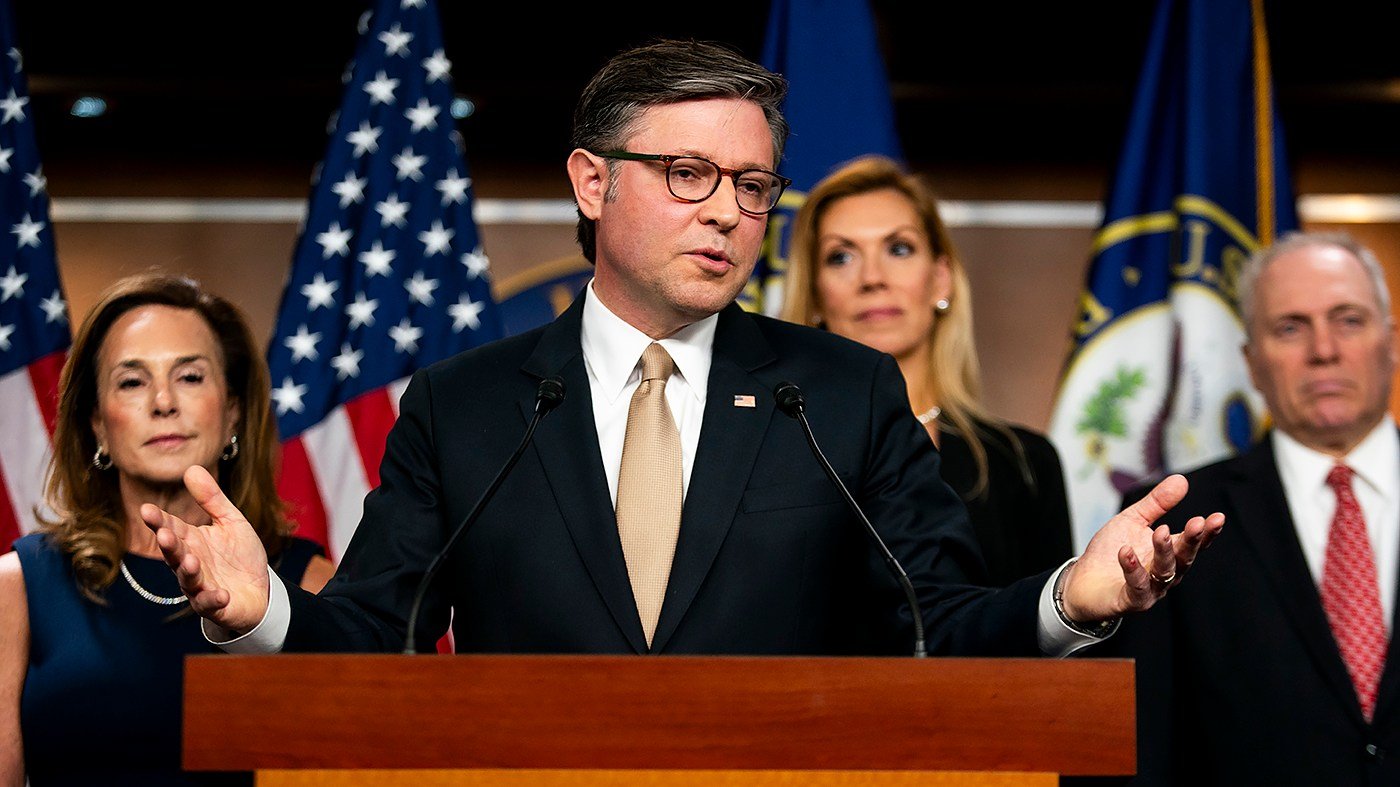
Two weeks ago, Florida filed a lawsuit against The New York Times, alleging that the paper’s lax oversight damaged its reputation and reduced the value of state pension fund holdings in the company. Attorney General James Uthmeier, a Republican, pointed to what he called the Times’s “incorrect and biased pro-Hamas coverage” of the Gaza conflict. The Times responded that the suit, though framed as a routine corporate governance request to inspect company records, is a “transparent attempt” to “chill journalism protected by the First Amendment.”
Winning the case may not be the objective. The mere act of litigation tarnishes the Times’s name and forces it to expend significant time, energy, and money on defense. The threat of becoming the next target can push other outlets to self-censor.
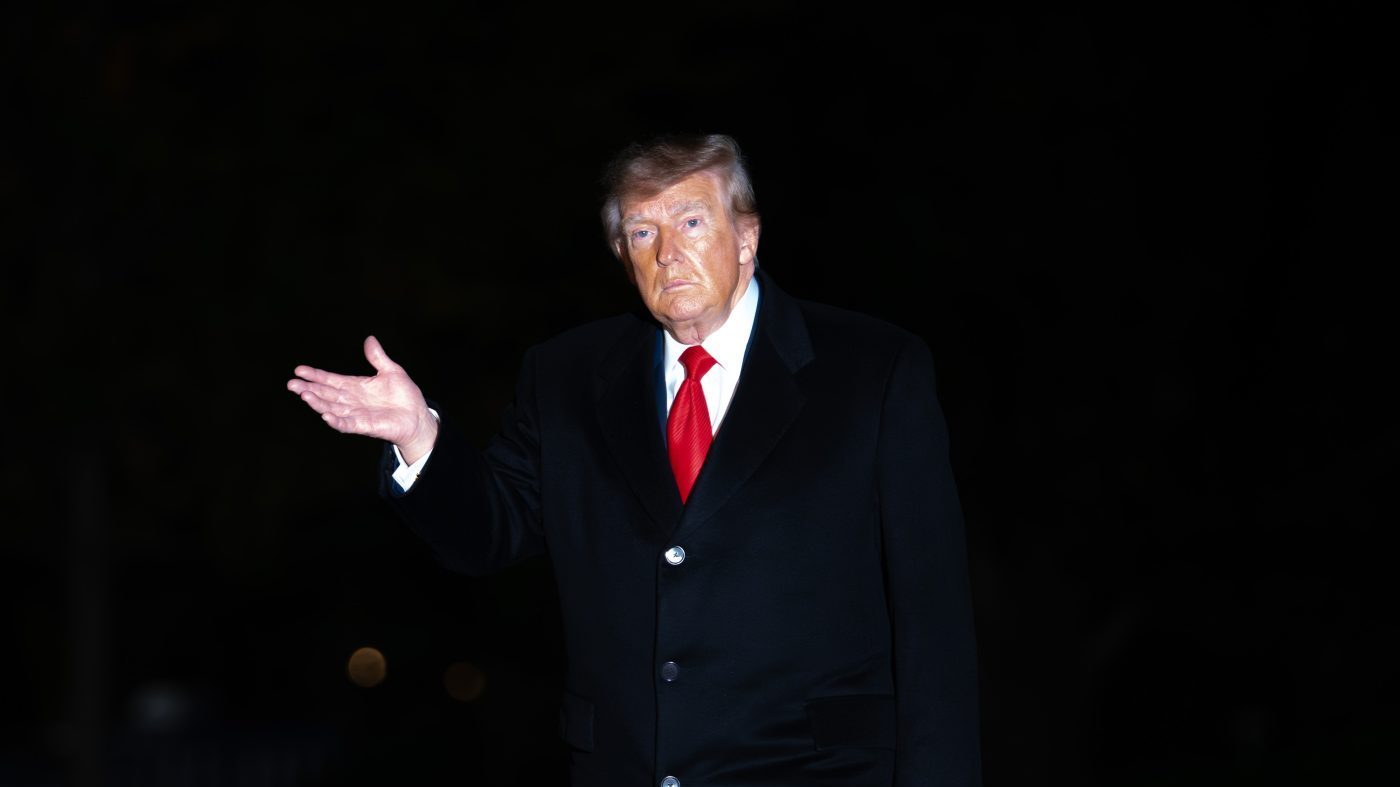
Ironically, Trump and his allies spent years accusing the left of weaponizing the legal system against them. Trump claimed to be “shocked” by what he called Democrats’ “lawfare,” labeling it “dirty,” “vicious,” and a “third world” tactic. Just before his return to office after the 2024 election, he declared, “LAWFARE IS DEAD.” But today, lawfare is thriving in ways never seen before.
Trump and his red-state allies have built a sprawling network of coercive legal and regulatory measures aimed at news organizations. Their toolkit includes lawsuits, subpoenas, search warrants, funding threats, license reviews, access restrictions, and regulatory agency investigations. Administration officials openly admit the goal is to “reshap[e] the media landscape” by achieving “Full Spectrum Dominance.”
The damage to a free press—a cornerstone of democracy—is already substantial. During his first term, Trump labeled the media “the enemy of the American people.” Since returning to the White House, he has filed a $15 billion lawsuit against The New York Times and Penguin Random House for “industrial-scale defamation,” a $10 billion suit against The Wall Street Journal over its reporting on a lewd birthday message he reportedly sent Jeffrey Epstein, and a $10 billion action against the BBC over a documentary on the 2024 campaign.
According to Axios, Trump, his administration, and his businesses were involved in 16 media and defamation lawsuits last year and nine more so far in 2026. Many of his past suits have been dismissed on First Amendment grounds; in one instance, he was ordered to pay The New York Times nearly $400,000 in legal fees. But Trump’s personal lawsuits are just the beginning.
Trump has banned CNN, MSNBC, and Politico from the White House for reporting “FICTION and LIES,” following his earlier denial of access to The Associated Press for refusing to adopt his renaming of the Gulf of Mexico. The Defense Department has similarly restricted media access at the Pentagon and declared its press office off-limits.
The day after Trump demanded ABC fire comedian and critic Jimmy Kimmel, the Federal Communications Commission ordered an expedited review of all ABC station licenses—a move unprecedented in scope, as renewals were not due until 2028 or later. The commission claims the review relates to ABC’s diversity and inclusion practices. ABC promptly sued the FCC, calling the review “blatant retaliation” for “the stories its journalists report and the viewpoints its network programs air.” The FCC has also investigated major broadcast networks for “news distortion” and alleged illegal diversity, equity, and inclusion policies.
The Federal Trade Commission has launched its own probes into online misinformation, driving up compliance costs and prompting some platforms to self-censor. The Justice Department has subpoenaed phone records of journalists and their relatives. In one case, FBI agents searched a Washington Post reporter’s home and seized her devices, even though she was not a target of the investigation into a government contractor suspected of mishandling classified information.
Courts have rejected many of these tactics, but the campaign continues to escalate, with red-state governments joining in. In 2023, Texas and Florida attorneys general opened investigations into Media Matters, reportedly at the urging of Trump adviser Stephen Miller. Florida’s shareholder suit against the Times turns stock ownership into a vehicle for probing editorial decisions.
This assault on the press isn’t conventional lawfare—it doesn’t depend on winning in court. The parent companies of ABC and CBS paid millions to settle highly questionable lawsuits, likely because they needed government approval for major corporate transactions. Trump’s message is clear: critical coverage now carries costs far beyond legal fees.
Trump was right about lawfare—it can be a “dirty” tactic when used to punish political adversaries. But when the plaintiff controls the entire machinery of government, including the Justice Department, the Pentagon, the FCC, the FTC, and access to the White House, lawfare becomes an existential threat to the institutions that hold power accountable. The stakes for press freedom have never been higher.