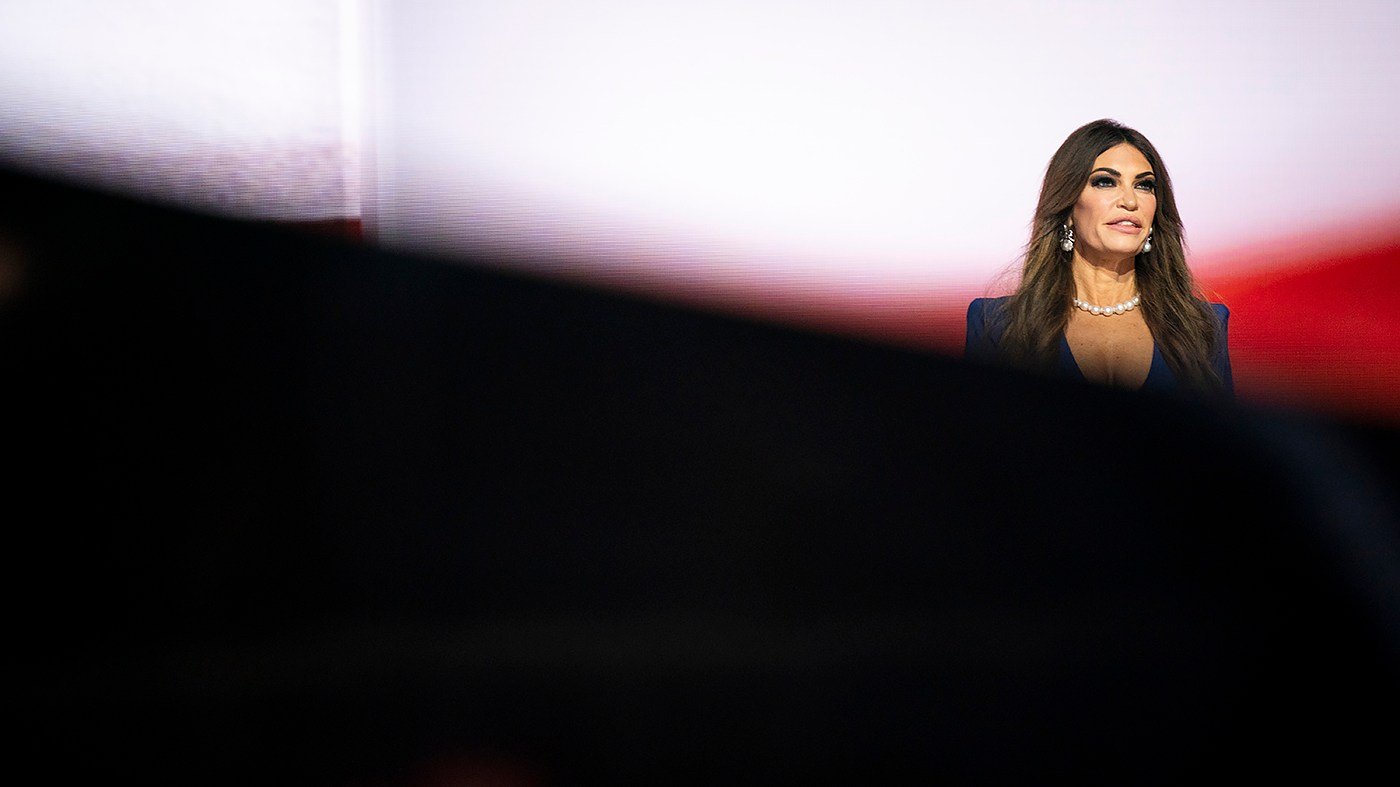
The political fallout over U.S. Ambassador to Greece Kimberly Guilfoyle intensified this week as President Trump and Vice President Vance both stopped short of offering her a full endorsement. The controversy stems from a Wall Street Journal report that Guilfoyle asked a pro-Trump donor to pay off $100,000 in personal credit card debt, raising fresh questions about ethics and influence-peddling within the administration.
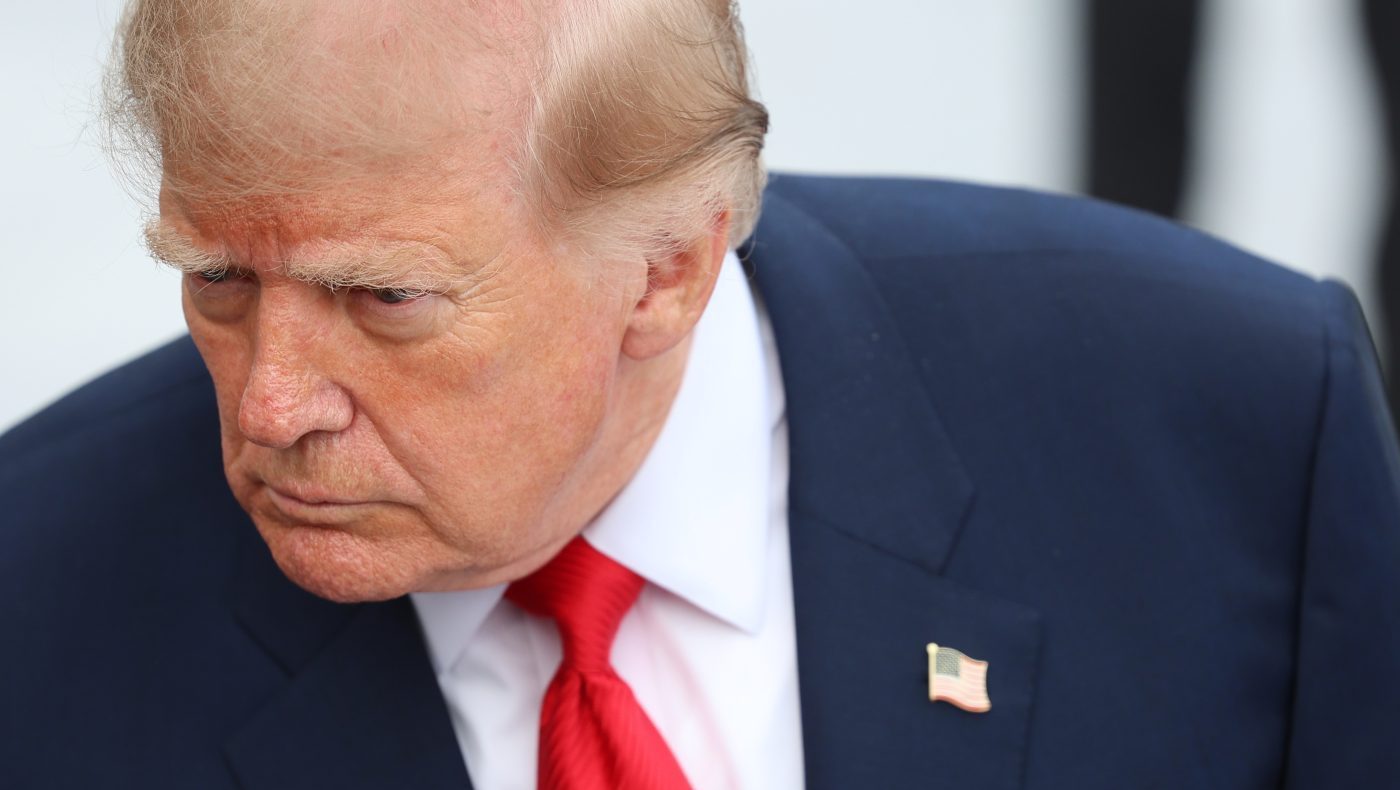
When asked about the matter on Friday, Trump responded with a terse, “I just heard about it: Too bad,” adding, “I don’t know too much. But she was always very nice.” His comments, made as he departed for New York, were notably lacking in the kind of vigorous defense he has offered other allies under scrutiny.

Vice President Vance, fielding a similar question, was equally cautious. He noted that only “allegations” have emerged so far and insisted, “We don’t try people in the court of public opinion. We try people in a court of law.” Vance, who said he has known Guilfoyle — a former Fox News personality and ex-fiancée of Donald Trump Jr. — for years, acknowledged that “obviously if there was something bad that happened, then people have to suffer consequences for it.”
The lack of a firm show of support from the top of the GOP ticket has not gone unnoticed. Democrats are seizing on the story as another example of alleged ethical lapses in the Trump administration, which they argue could be a liability heading into the midterms.
Rahm Emanuel, the former Chicago mayor and potential 2028 contender, wrote on social media that the Guilfoyle reports illustrate how “the cost of doing business with the Trump Admin 2.0 really adds up.” Sen. Jon Ossoff (D-Ga.), who faces a tough reelection fight, told MSNBC’s “The Briefing With Jen Psaki” that Guilfoyle was “partying across Europe after begging donors to bail her out financially and conducting herself in a way that appears to be deeply unethical.” Ossoff also floated the possibility of congressional investigations if Democrats retake the House.
On Capitol Hill, House Oversight Committee Democrats sent Guilfoyle a letter on Thursday demanding she preserve records and communications related to the matter. Rep. Robert Garcia (D-Calif.), the ranking member, wrote that “the alleged misconduct raises serious public corruption and national security concerns.” The letter was first reported by PBS News.
The Journal report, published Wednesday, detailed text messages between Guilfoyle and Eric Deters, a Kentucky businessman and former lawyer who has run unsuccessfully for office. In one exchange, Guilfoyle allegedly wrote, “It won’t show up anywhere if you wire money to American Express,” and pleaded, “Please.” She also urged Deters to stop “papering all these things” and to communicate via Signal instead.
Deters, who said he was seeking Guilfoyle’s help on matters involving the IRS and an extradition case, did not pay the credit card debt. But he separately told her he had “paid you $300,000 over the years” and needed to see “results.” Guilfoyle’s lawyer, Jesse Binnall, disputed the authenticity of the messages but declined to provide specifics, saying Deters owed Guilfoyle money for speaking engagements.
This is the second Journal investigation into Guilfoyle’s conduct in recent weeks; an earlier story examined her ties to a Greek lobbyist. The timing proved awkward for Secretary of State Marco Rubio, who was in Greece when the latest report broke. Instead of focusing on Western values, Rubio found himself dodging questions and telling reporters, “I know the game.”
Some Republican strategists worry the story could resonate with voters. “One thing that swing voters, in particular, are unwilling to do is vote for people who seem to be the more crooked of their options on any given ballot,” said GOP consultant Liz Mair. She added that while the midterms won’t hinge on Guilfoyle, “asking a donor to pay off a hundred grand of credit card debt is a lot easier for your average voter to understand” than other scandals.
Grant Reeher, a political science professor at Syracuse University, suggested the impact might be limited because questions around Trump’s own conduct have already shaped public perceptions. Still, the White House’s tepid response leaves Guilfoyle’s future uncertain as the story continues to develop. For more on the administration’s midterm strategy, see Trump's New York push and Trump's dismissive remarks.