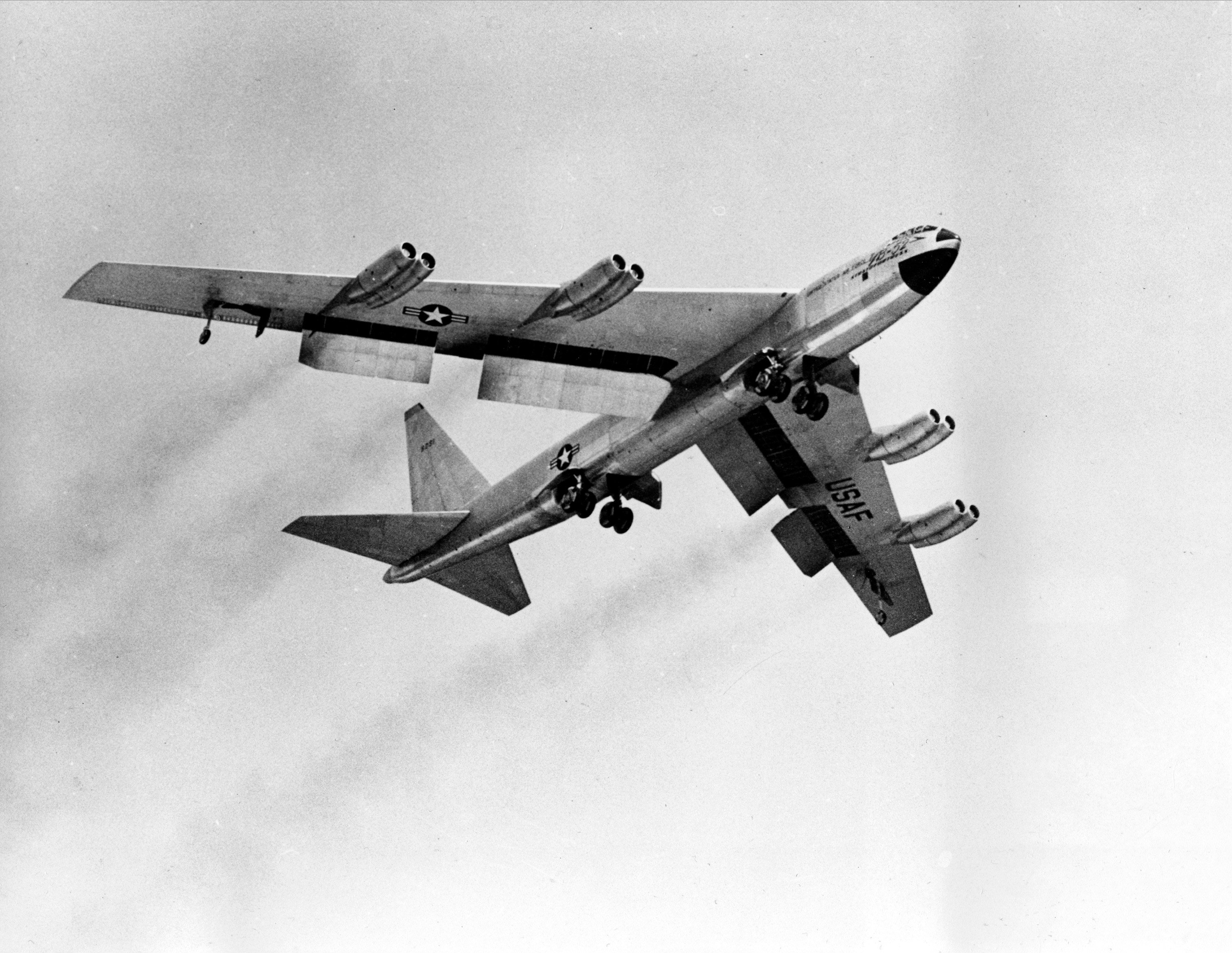
In the rush to field the next generation of weapons and commercial technology, a former White House and Pentagon official argues that America's older, proven systems may be more vital to national and economic security than the shiny new ones. Douglas MacKinnon, in a piece for The World Signal, points to the Boeing B-52 Stratofortress, which has been flying for over 70 years and remains a cornerstone of U.S. defense, including recent operations against Iran. Plans are already in place to keep the B-52 fleet flying into the 2050s.
MacKinnon stresses that while innovation is essential, a careful cost-benefit analysis reveals that maintaining and upgrading existing platforms can save taxpayers millions—even billions—of dollars while ensuring the military remains ready during the long development cycles of new systems. He cites the Navy's Ohio-class nuclear-powered ballistic missile submarines as another critical example. These submarines, now approaching 45 years of service, form a key leg of the U.S. nuclear deterrent triad, alongside Air Force bombers and intercontinental ballistic missiles. Their continued operation is seen as vital to preventing a nuclear attack on the United States.

The concern is that the People's Republic of China is outpacing the U.S. in this area. A piece in the National Defense University Press warns that three U.S. military services—the Marines, Army, and Air Force—are "probably logistically unsustainable." The analysis goes further, noting that a review of historical great power wars and China's likely military options suggests logistics will be the primary determinant of success or failure.
MacKinnon highlights the often-overlooked details of logistics, recalling a conversation with an Air Force general who emphasized that lifecycle costs far exceed initial acquisition costs. The general gave a striking example: the need to replace millions of old rivets on military and commercial aircraft—a task China already excels at. Fortunately, the general said they have identified state-of-the-art robotic technology that can replace fasteners 20 times more efficiently.
This kind of faster, cheaper, better, and safer maintenance is a critical advantage in the growing logistics competition with China. Whether it's replacing rivets on aircraft or continuously updating the submarine fleet, keeping old systems battle-ready is essential to keeping pace with America's primary adversary. The National Defense University piece concludes that the U.S. military faces its greatest logistical challenge in history, and to overcome it, America must reinvigorate the culture, organization, and mindset of its logistics communities.
MacKinnon laments that this message hasn't fully resonated with key decisionmakers. He suggests that perhaps as they fly to meetings aboard 30-year-old aircraft, they should consider the age of the rivets in the wings and mentally trace the entire logistical replacement chain needed to keep the U.S. on top. At that moment, the old thing might seem incredibly important.