A federal judge on Friday invalidated the Justice Department's nationwide effort to collect voter registration records and flag suspected non-citizens, dealing a significant setback to the Trump administration's election integrity push. The ruling blocks the program even in states that had voluntarily cooperated with the department's requests.
U.S. District Judge Sparkle Sooknanan in Washington, D.C., found that the department overstepped its legal authority and breached federal privacy protections by demanding sensitive voter information and sharing it across agencies to determine citizenship status. The 78-page decision vacates the entire policy, making it unenforceable across the country.
"DOJ cannot run roughshod over longstanding laws that were carefully crafted to protect the rights of American people," wrote Sooknanan, a Biden appointee, in a sharp rebuke of the administration's tactics.
The ruling follows similar challenges in other jurisdictions where states had pushed back against the department's demands. The case originated from an April lawsuit filed by Common Cause and four individual voters, who accused the administration of constructing a "sprawling new voter surveillance and purging apparatus" ahead of the November midterm elections.
Plaintiffs argued that the Justice Department was attempting to commandeer voter registration procedures traditionally managed by states, putting eligible Americans at risk of being wrongly removed from the rolls. The program began after President Trump issued an executive order directing federal officials to collaborate with states to uncover potential election law violations.
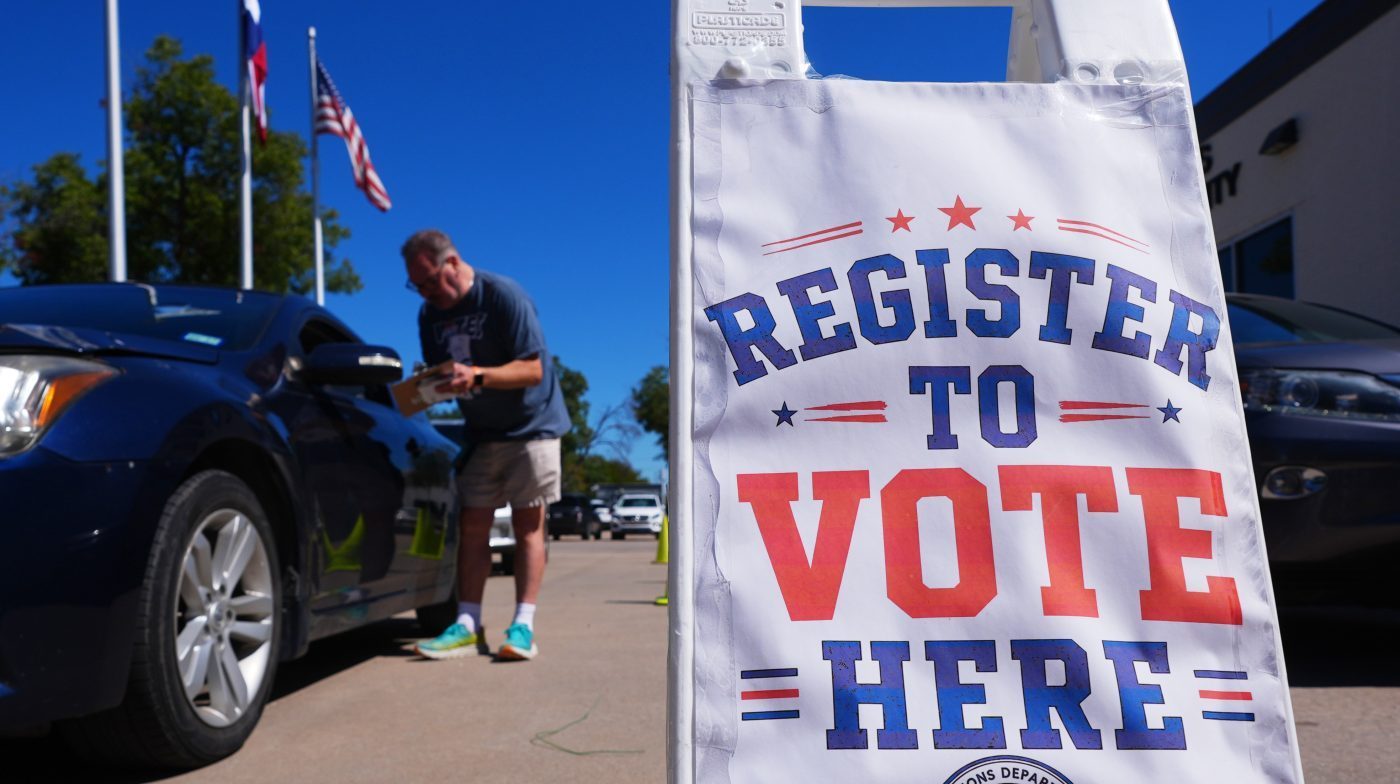
Under the program, the DOJ requested unredacted voter lists from all 50 states, seeking names, addresses, and partial Social Security numbers. At least 18 states complied, allowing the department to share data with the Department of Homeland Security and cross-check citizenship status through the Systematic Alien Verification for Entitlements (SAVE) database. Participating states also agreed to remove identified voters within 45 days of notification.
Judge Sooknanan determined that the department failed to properly weigh the risk of mistakenly purging eligible voters, especially given known inaccuracies in federal citizenship records. She cited a 2006 Social Security Administration audit that found approximately 3.3 million U.S. citizens had been misidentified as non-citizens.
"The Court vacates a policy that has removed United States citizens from the voter rolls in their home states and risks disenfranchising many more," Sooknanan wrote in her conclusion.
The decision is a major legal victory for voting rights advocates, who have raised alarms about the administration's broader voter fraud enforcement efforts. It also comes amid scrutiny of federal agencies' reviews of voter registration groups, which critics say could intimidate voters and suppress turnout.
While the administration may appeal, the ruling sets a clear precedent that federal overreach in election administration will face judicial resistance. As the midterms approach, the decision could reshape how the federal government interacts with state election officials. Meanwhile, voter enthusiasm remains a key factor, with recent polls showing differing levels of engagement among party bases.