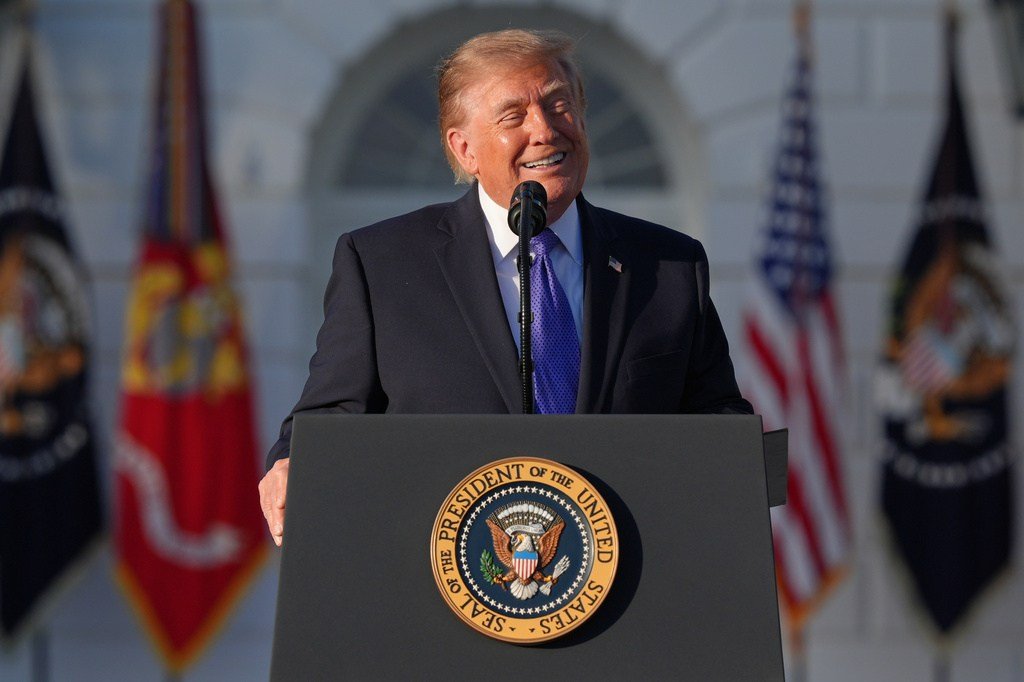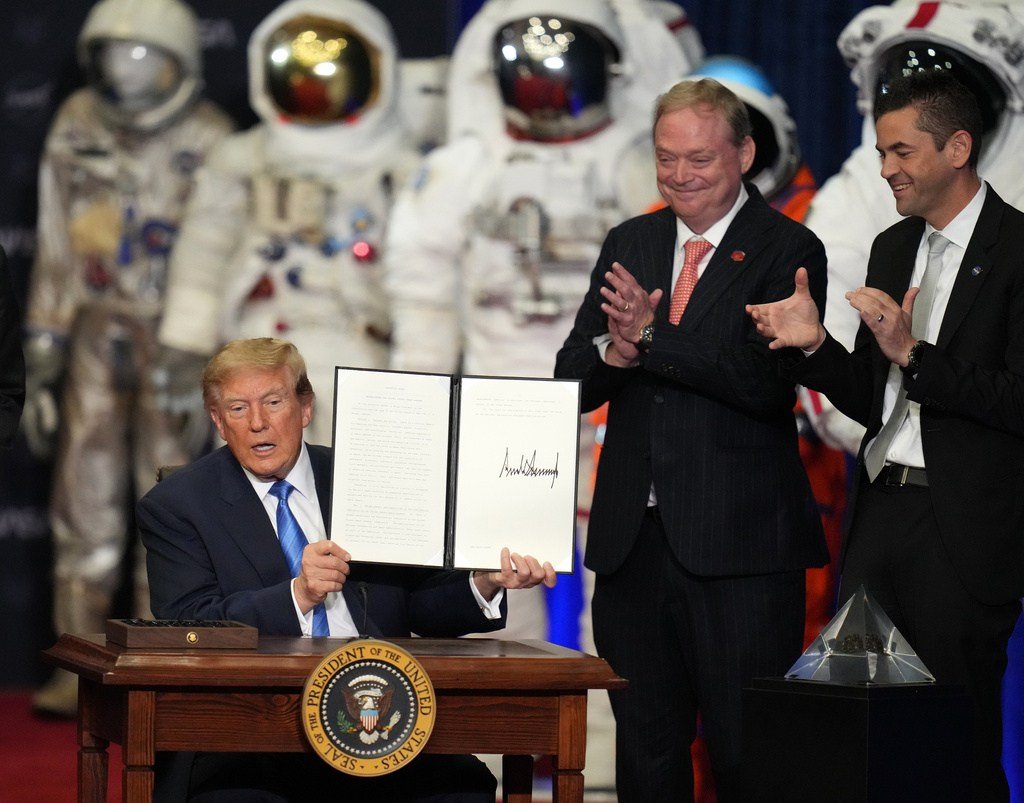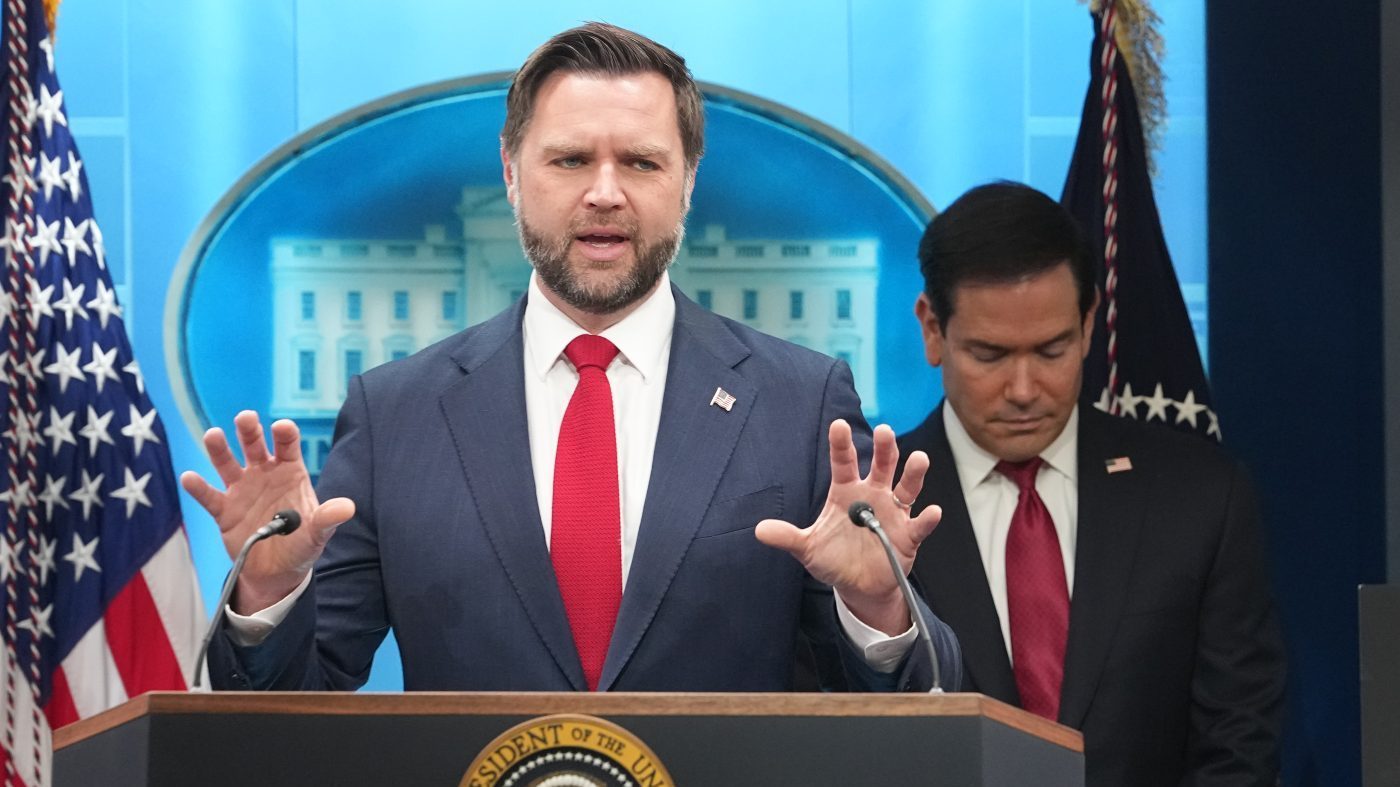
Vice President Vance played a direct and personal role in President Trump's weekend effort to persuade Nvidia's board to bring back CEO Jensen Huang, according to a source familiar with the matter. The source told The Hill that Vance's deep connections in Silicon Valley and his credibility within the tech sector made him an effective intermediary with the company's directors.
The intervention came after Nvidia removed Huang from his post over multiple extramarital affairs, one of which involved an alleged Chinese intelligence operative. The White House, however, saw no evidence that Huang's conduct posed a national security threat, the source added, noting that both Trump and Vance were briefed on the security dimensions of the case before pressing for his reinstatement.
During a lengthy CNBC interview on Monday, Trump detailed his own involvement, saying he had been in direct and indirect contact with Nvidia's board. "I felt very strongly about it," Trump said. "And I felt more strongly as I saw what was happening with the company, because that was to me a very important part of our country."
Vance amplified the president's remarks by sharing a clip of the CNBC interview on X, underscoring his role in the lobbying effort. In a separate Truth Social post, Trump cited Attorney General Todd Blanche as saying the government had no evidence that Huang "engaged in any unlawful conduct."
The source also credited Huang with being a leading advocate for open-source AI models, positioning him as a counterweight to closed-source firms like Anthropic and OpenAI. That framing appears to have resonated with the administration, which has made AI competitiveness a cornerstone of its technology policy. The White House's push to secure U.S. leadership in AI chips has been a key priority.
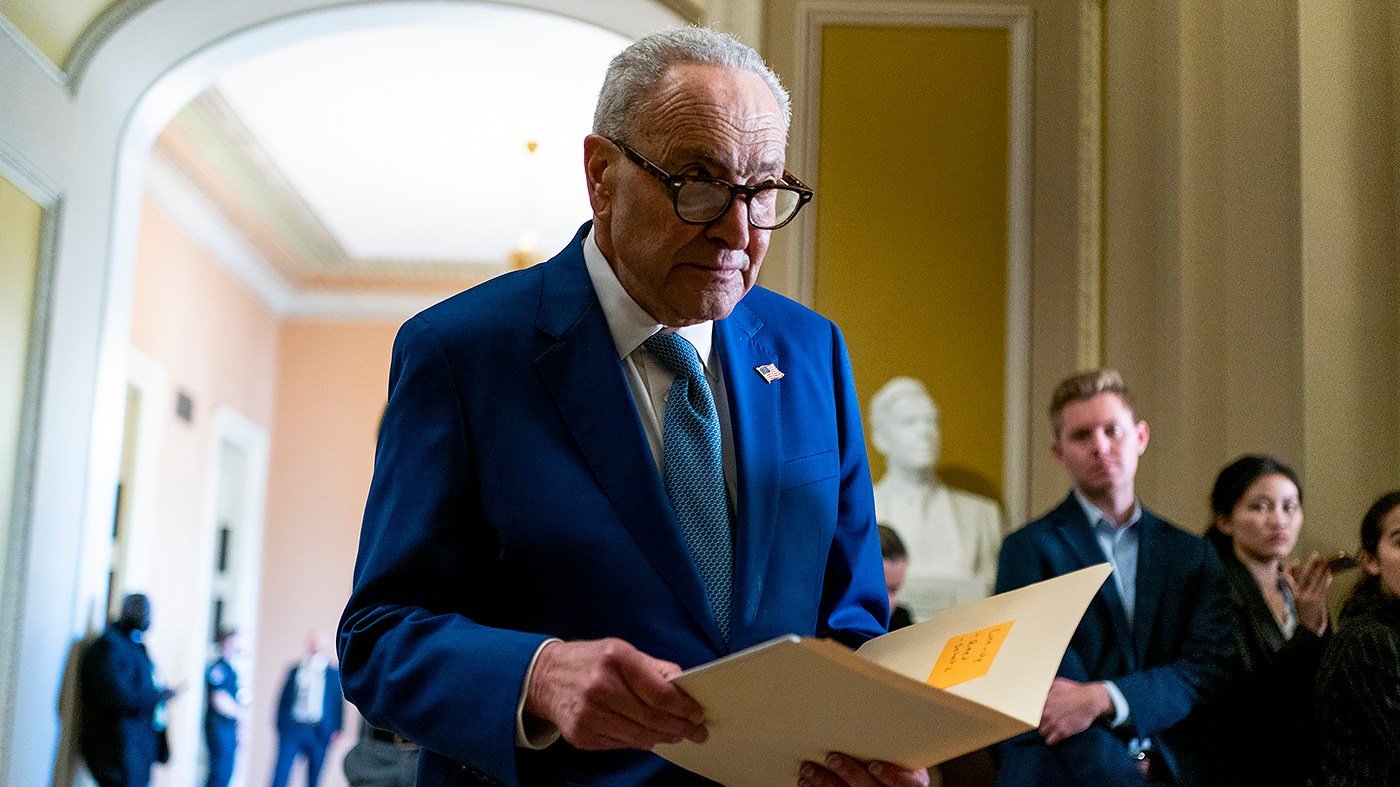
But the decision has sparked sharp criticism on Capitol Hill. Senate Minority Leader Chuck Schumer (D-N.Y.) accused Trump of prioritizing "his own financial interests and the needs of his billionaire buddies before our national security," and vowed that Democrats would use "their full power to investigate any wrongdoing by the Trump Administration, Jensen Huang, other NVIDIA executives, and anyone selling out our national security for financial gain."
Republicans are not uniformly behind the move. Sen. Pete Ricketts (R-Neb.) said Nvidia's reversal "doesn't excuse Jensen Huang from testifying before Congress" and stressed that the company still must answer for national security concerns and unaccounted-for chips. Ricketts said he looks forward to Huang appearing before the Senate in December.
The controversy has also raised questions about board independence and the propriety of presidential intervention in a public company's governance. Trump's personal involvement in the reinstatement has drawn scrutiny from governance experts and lawmakers alike. Meanwhile, investors reacted positively, with Nvidia's stock jumping 27% after the announcement, signaling market approval of Huang's return.
Huang's reinstatement is not the first time Trump has intervened in corporate affairs, but the combination of a potential espionage angle and the administration's aggressive AI agenda makes this case particularly volatile. As Congress prepares to question Huang, the political and national security implications are likely to dominate the coming weeks.