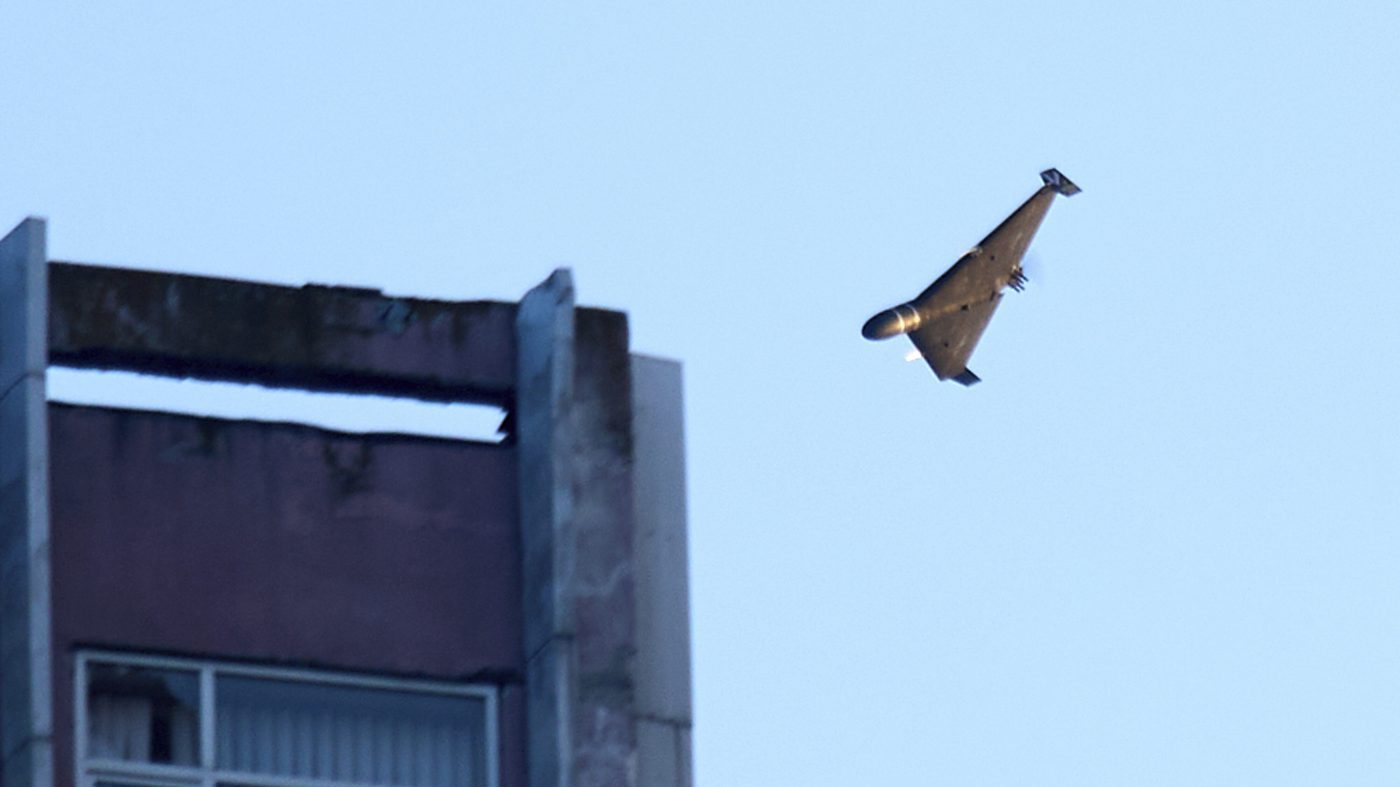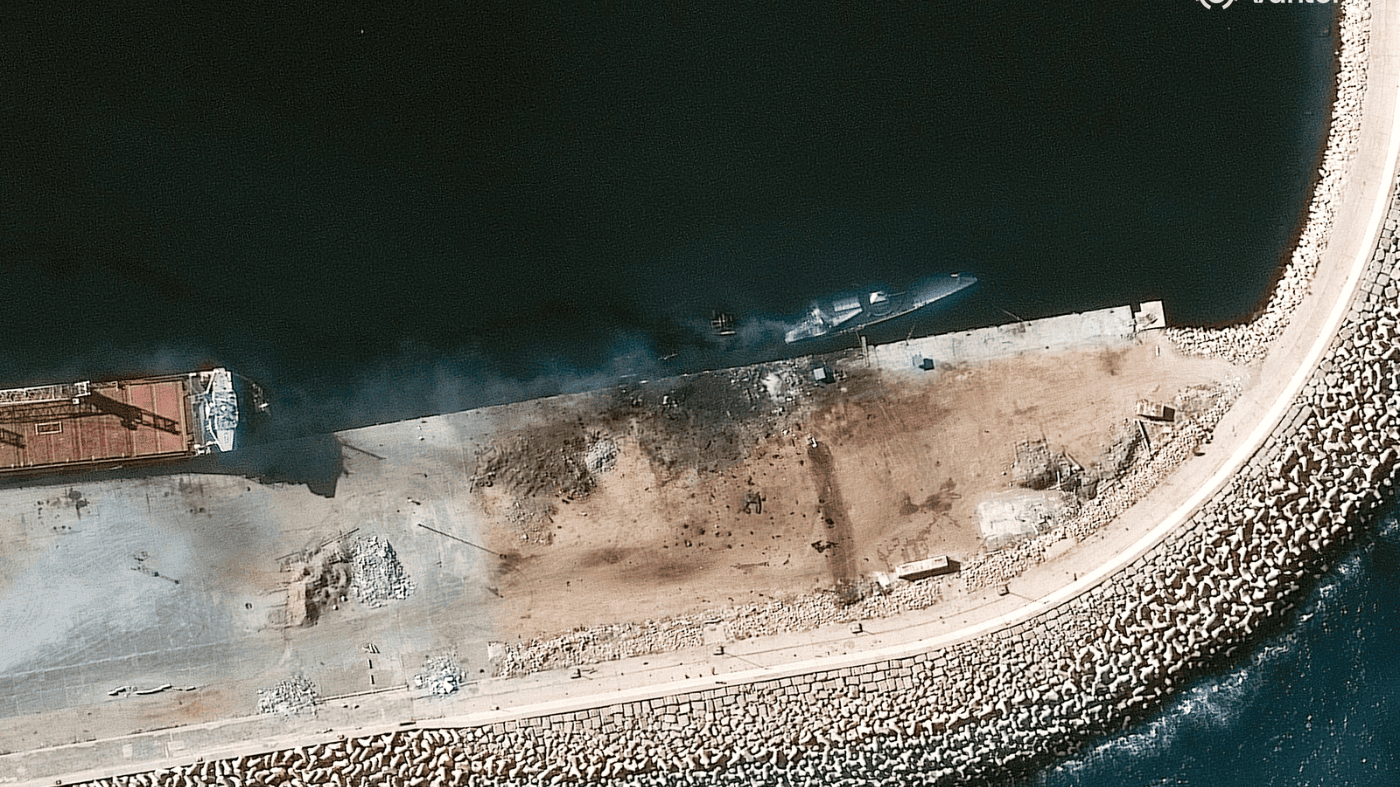
Russian naval forces suffered a significant setback over the weekend when a corvette docked in the Libyan port of Benghazi was heavily damaged in what Libyan officials describe as a suspected Ukrainian drone attack. The vessel, identified as the Merkury, was struck by two sea drones on Sunday, triggering an explosion and fire at the naval facility.
According to Libyan officials, the drones were launched from a base operated by Ukrainian forces in western Libya. At least four additional drones were intercepted and destroyed before two reached their target. Ukraine has not formally claimed responsibility for the operation, which comes as Kyiv continues to target Russian military assets far from the front lines.
The eastern-based Libyan government, which maintains close ties with Moscow, stated that the Merkury had stopped in Benghazi for refueling and resupply under a maritime cooperation agreement before returning to Russia. Officials in the region have launched a joint investigation with Russia to determine responsibility for the attack.
Russia has used Benghazi as a key logistical hub for its military operations across Africa and for maintaining a presence in the Mediterranean. The strike underscores the expanding reach of Ukraine’s drone warfare, which has increasingly targeted Russian vessels in distant theaters.
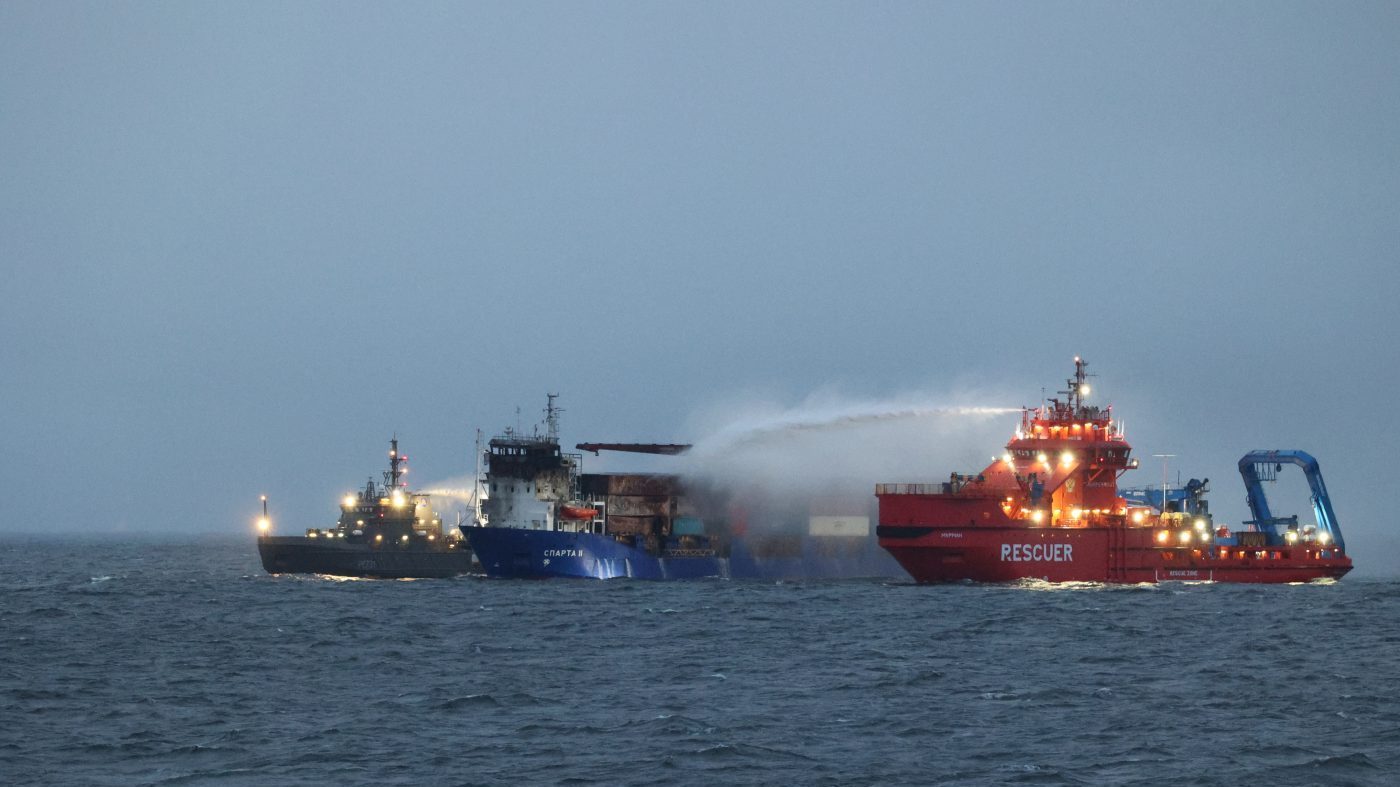
The assault on the Merkury follows a similar incident on Saturday, when the Russian cargo ship Sparta II was hit by drones in the Baltic Sea. That attack, which Finland’s military attributed to Ukraine, ignited a fire that burned into Sunday. All 16 crew members were evacuated to a nearby Russian vessel, with one suffering minor injuries.
Finnish Prime Minister Petteri Orpo warned that the conflict is drawing perilously close to Finland’s borders. “War is spilling over into our immediate vicinity,” Orpo wrote on X, adding that Ukrainian forces have the right to defend themselves against Russian aggression.
The strikes on Russian shipping come amid a broader pattern of suspected Ukrainian drone attacks on Russian-linked vessels in the Baltic and beyond. Analysts note that Ukraine is leveraging long-range drones to disrupt Russian supply lines and naval operations, a tactic that has also raised concerns about escalation in regions like the Mediterranean and the Arctic.
The attack in Libya also highlights the growing complexity of Russia’s military footprint in Africa, where Moscow has expanded its influence through arms deals and private military contractors. The use of Benghazi as a staging point has drawn criticism from Western nations, and this incident may prompt renewed scrutiny of Russian naval activities in the region.
As investigations continue, the incident is likely to fuel further tensions between Russia and Ukraine, as well as with NATO members like Finland. The recent airspace breaches by Russian missiles and drones have already heightened concerns among alliance members about the spillover effects of the war.