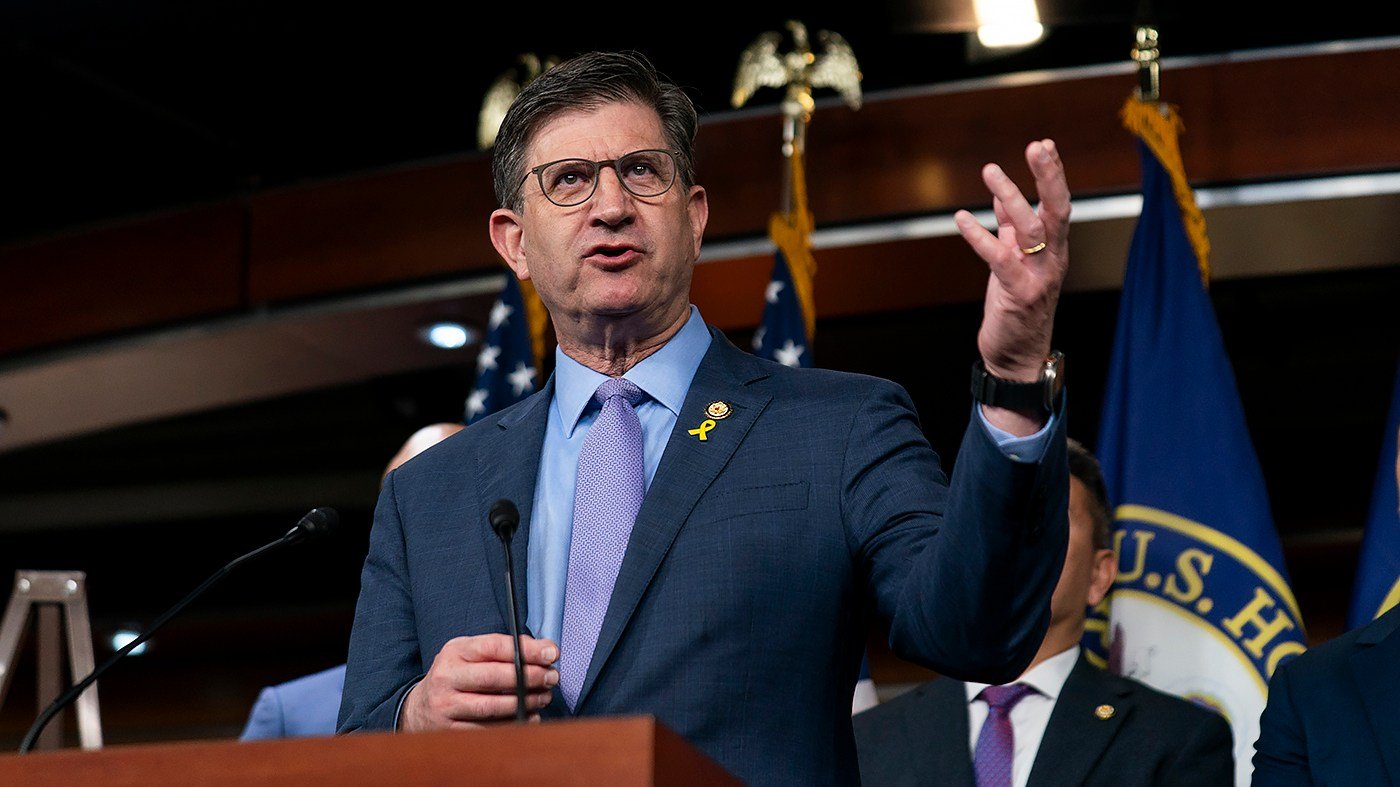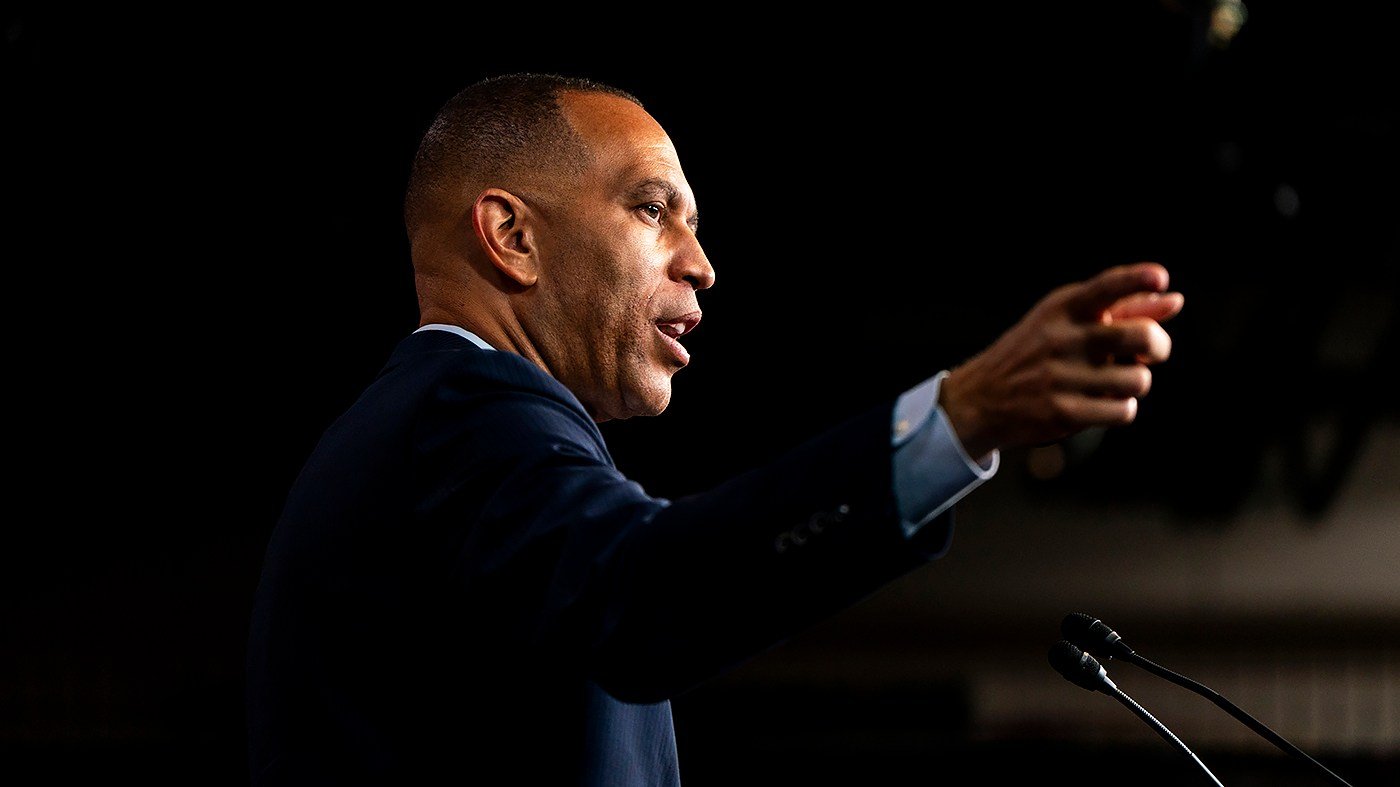
When Hakeem Jeffries formally takes the gavel, he will command the largest Democratic caucus in three decades — a numerical advantage that brings both opportunity and considerable friction. The party’s better-than-expected midterm performance, which netted nearly 50 seats, has fueled talk of a mandate, but the incoming majority is also strikingly varied in ideology and investigative priorities.
Democratic leaders are projecting unity, but acknowledge the challenge of keeping a broad coalition on the same page. Rep. Debbie Dingell (D-Mich.), chair of the Democratic Policy and Communications Committee, warned that the caucus cannot afford the kind of public dysfunction seen across the aisle. “We got a large caucus [and] we’re going to have to be disciplined,” she said. “There will be moments. But I’m also going to say to you that our caucus watched the Republicans, and we know we can’t perform like that. We can have intense discussions, but in the end, we got to produce because we got two years.”
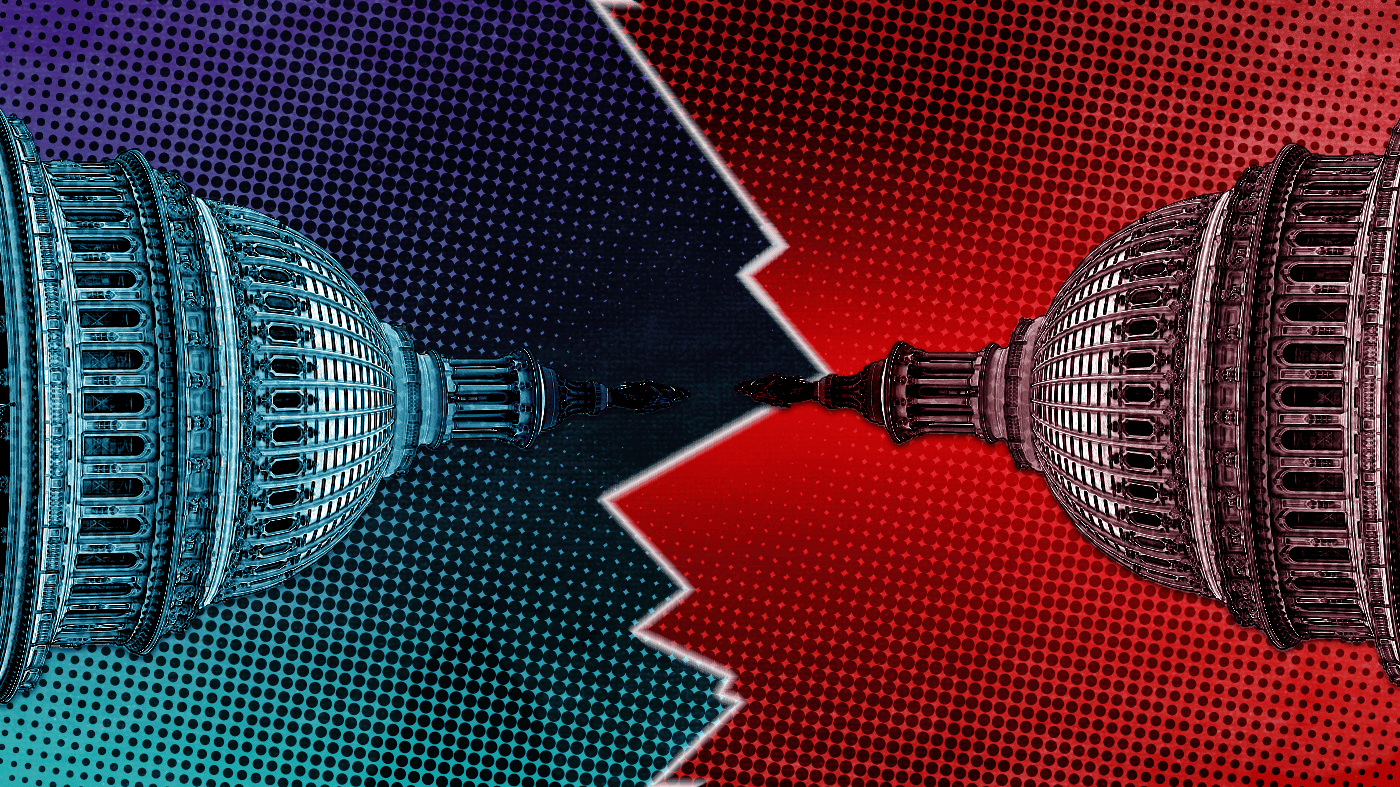
The electoral wave included both a small cluster of Democratic Socialists and a larger influx of moderates, setting up potential clashes over policy and strategy. Jeffries’s challenge is to keep both wings engaged without letting disagreements spill into public warfare. His leadership style, described by one anonymous lawmaker as non-punitive and accommodating, may help. “I love freedom, so freedom is great,” the lawmaker said. “They’ve, especially for committee work, sometimes weighed in, but have been very understanding and accommodating of members as they try to do things.”
Beyond internal politics, the caucus is preparing to launch a barrage of investigations into the Trump administration, focusing on alleged corruption, family profiteering, and immigration enforcement. Multiple committees are eyeing the same targets — immigration alone is shared by Judiciary, Oversight, and Homeland Security — raising the risk of duplicated subpoenas and turf battles. One Democratic aide compared the situation to a “four-way stop,” urging Jeffries to act as a “reasonable traffic cop” to divvy up jurisdiction. “Unless Jeffries stands in the middle and directs traffic on how we divvy that up,” the aide said, “it’s just going to be a chaotic mess.”
Democratic lawmakers have already signaled their intent to use subpoena power aggressively. Rep. Robert Garcia (D-Calif.), the incoming Oversight chair, posted a terse “Lawyer up” on election night. White House counsel Will Scharf has responded with letters warning that probes could be deemed criminal if intended to harass, and insisting that document requests be resubmitted once Democrats formally take control.
The Epstein investigation, which has centered on Oversight, also crosses into Judiciary’s jurisdiction over the Bureau of Prisons, particularly regarding the transfer of Ghislaine Maxwell. The overlapping interests underscore the need for coordination — a role Nancy Pelosi often played as Speaker. Jeffries has yet to signal how hands-on he will be, but aides suggest he is mindful of the need to avoid chaos.
The party’s success in expanding the majority beyond expectations — with several House races still uncalled — gives Jeffries some breathing room, but also raises the stakes. As six unresolved races could enlarge the majority further, the pressure to deliver on legislative and investigative promises intensifies. Meanwhile, the GOP’s post-election turmoil, including abandonment by some MAGA allies, offers Democrats an opening to contrast their disciplined approach with Republican disarray.
Yet the path forward is not without internal dissent. Seven progressive members have already voted against Jeffries for Speaker, a sign that even within the majority, loyalty is not absolute. As one Democratic lawmaker put it, “There’s going to be people who openly [fight] leadership when they try to tell us to do something, right? Because they don’t like what they’re saying. So that’s going to happen.”
Jeffries’s office did not respond to requests for comment, but allies insist he is prepared to manage the competing pressures. Whether he can turn a sprawling caucus into a coherent governing force will define his speakership — and the party’s fortunes heading into the next presidential cycle.