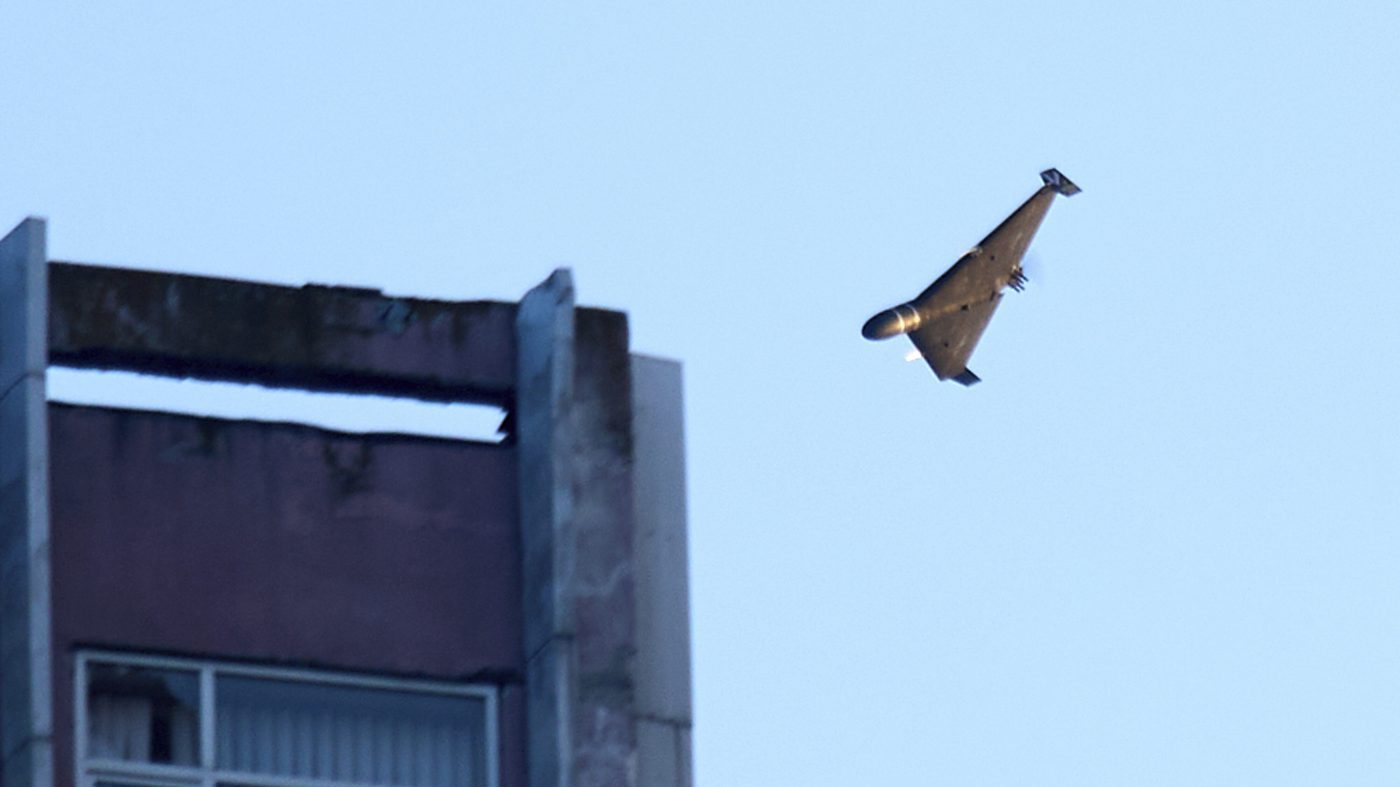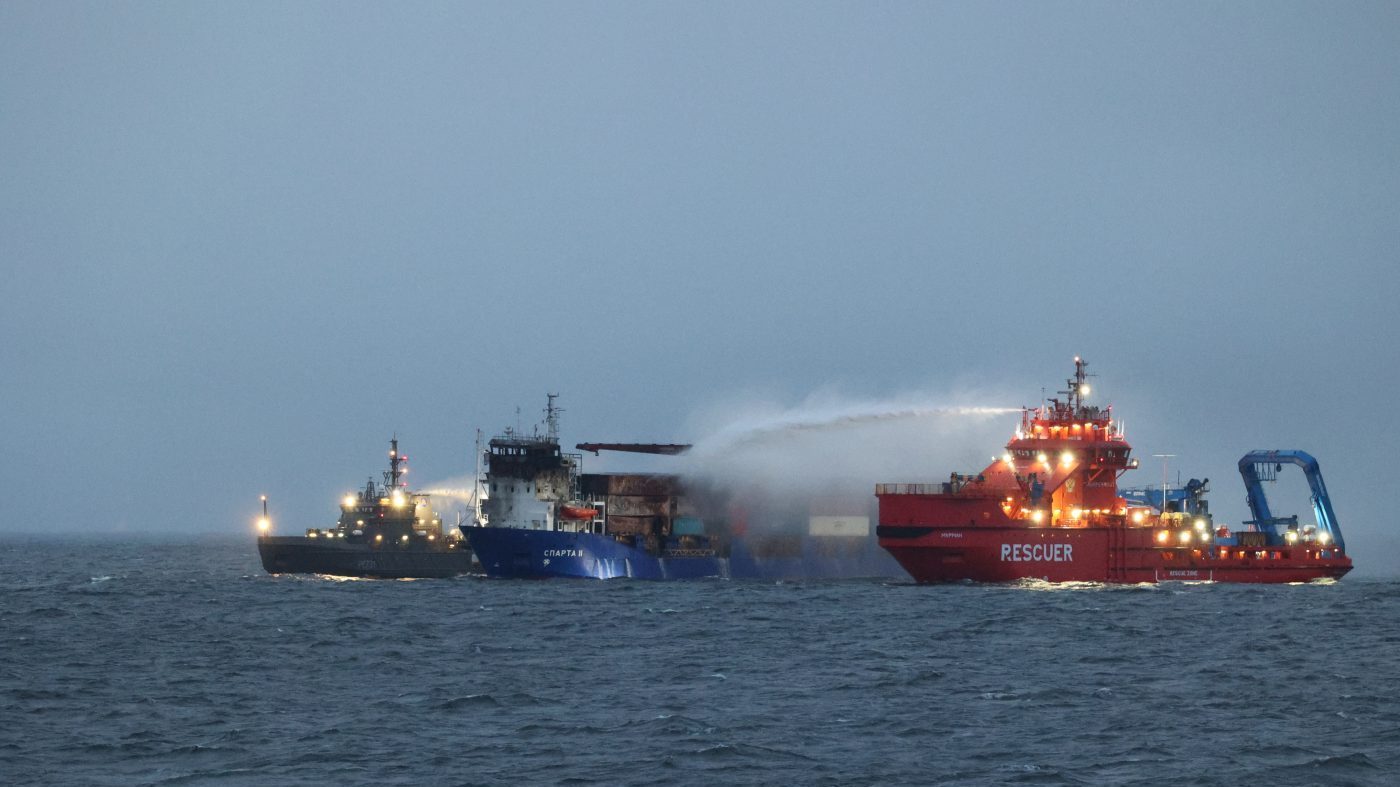
A Russian cargo vessel with ties to the country's defense establishment remained engulfed in flames on Sunday after a suspected Ukrainian drone strike in the Baltic Sea forced its crew to evacuate and left the damaged ship drifting into Finnish territorial waters.
The 16-member crew of the Sparta II abandoned ship in lifeboats following Saturday's attack and were rescued by a nearby Russian vessel, according to Finnish Border Guard Commander Ilja Iljin, speaking to public broadcaster Yle. The crew was being transported back to Russia, while the burning ship stayed anchored in Finnish waters.

Finnish emergency teams worked through the night to contain the blaze aboard the Russian-flagged vessel, which was en route to the Russian exclave of Kaliningrad when it was hit. Video released by the Finnish coast guard on Sunday showed multiple vessels spraying water cannons at the ship to douse the flames and cool the containers stacked on its deck.
Finland's military assessed that Ukraine was likely behind the attack, which occurred in international waters west of Russia's Gogland island in the Gulf of Finland. Ukrainian officials have not publicly acknowledged responsibility.
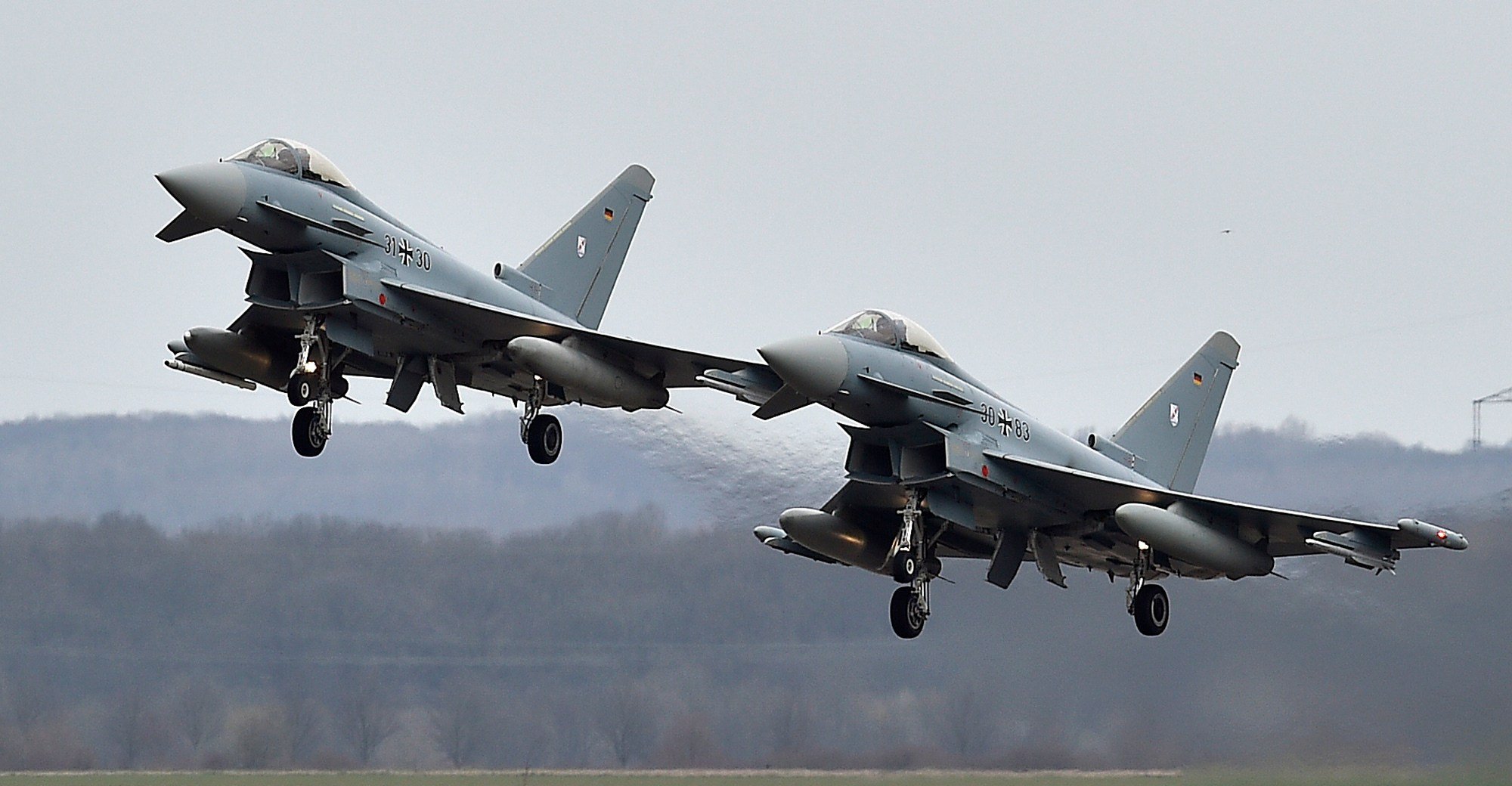
The incident prompted Finnish authorities to restrict air and maritime traffic in the eastern Gulf of Finland, with Swedish fighter jets operating under Finnish command assisting in patrols. Finnish officials also reported a suspected airspace violation by a Russian helicopter during the rescue operation.
Finnish Prime Minister Petteri Orpo warned that the conflict stemming from Russia's full-scale invasion of Ukraine in 2022 was drawing perilously close to his nation's borders. "War is spilling over into our immediate vicinity," Orpo wrote on X, translated from Finnish. "The Finnish authorities are handling the situation in the Gulf of Finland, where a drone strike has hit a Russian merchant vessel. Ukraine has the right to fight back against the aggressor."
The Sparta II is owned by Oboronlogistika, a Russian shipping company that provides logistics to the Russian Defense Ministry. The 397-foot vessel is under U.S. sanctions, though Finnish officials said they had not yet determined what cargo it was carrying at the time of the attack.
The incident highlights the expanding reach of the conflict into the Baltic region, where NATO members have heightened vigilance. Earlier this year, U.S. senators demanded a firm response to Russian airspace violations near allied territory, and the latest episode is likely to intensify those calls. The attack also underscores the vulnerability of Russian logistics, as previous Russian supply gambits have backfired, giving Ukraine leverage in sanctions battles.
As the fire continues to burn, Finnish authorities are monitoring the vessel closely, while the broader geopolitical implications ripple through the region. The incident comes amid heightened tensions, and the sudden death of Russia's ambassador to the U.S. adds another layer of uncertainty to an already volatile diplomatic landscape.