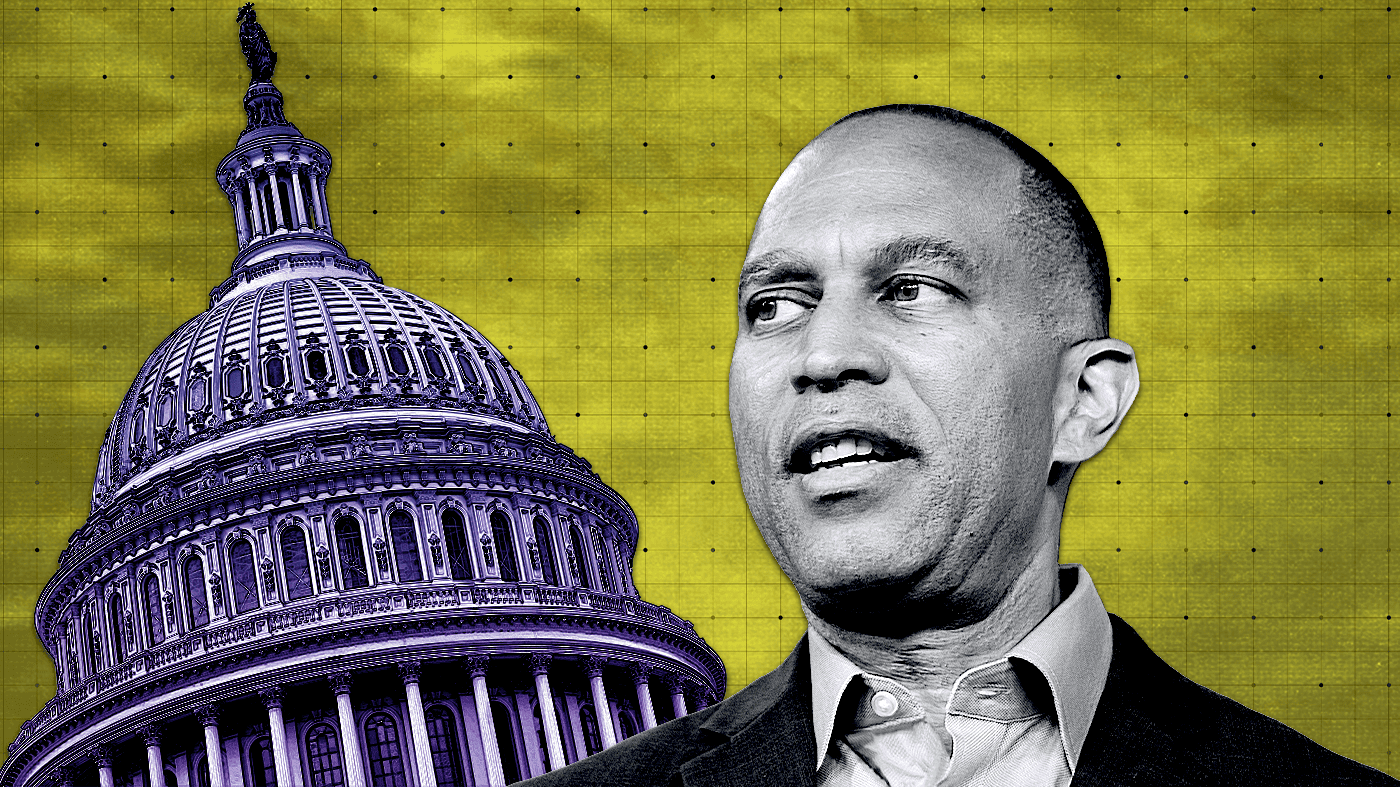
House Democrats are locked in an internal struggle over how to handle Iran war funding during the lame-duck session, with a vocal liberal wing demanding an immediate cutoff even if it means a government shutdown, while senior party negotiators argue for a more pragmatic approach.
The clash has intensified following the midterm elections, which gave Democrats control of both chambers. Progressives, led by Rep. Ro Khanna (D-Calif.), argue that voters delivered a mandate to end the conflict. “We’re going to fight to get that Iran funding removed for offensive military capability,” Khanna said.
But Rep. Rosa DeLauro (D-Conn.), the top Democrat on the House Appropriations Committee, cautions against using a shutdown as leverage. “I frankly want to … end the funding to the Iran War. But shutting the government down doesn’t stop the war,” she said.
The divide mirrors a broader Senate dispute, where Sen. Chris Van Hollen (D-Md.) has launched a leadership challenge against Sen. Chuck Schumer (D-N.Y.), positioning himself to the left. Van Hollen’s demand for an immediate funding halt has energized the party’s base, but it has also exposed fractures in the caucus.
With the Dec. 11 shutdown deadline looming, House liberals are signaling they will oppose any spending measure that continues to finance the conflict. Khanna, a vice chair of the Congressional Progressive Caucus, called the issue a “red line,” insisting, “I do think we’ve got to get that money out.”
DeLauro, however, views the fight differently. “It’s not a red line,” she said, emphasizing that Democrats have a broad agenda to tackle in January, including affordability and accountability. “I do not want to delay that,” she added.
Instead, DeLauro and others are exploring alternative strategies, such as imposing conditions on military operations without a full defunding. Rep. Gregory Meeks (D-N.Y.), who is poised to chair the House Foreign Affairs Committee, said, “You can’t [have a shutdown]. But having amendments and having conditions I think are important also, understanding that come the 120th Congress, we’re in full control.”
Rep. Jim McGovern (D-Mass.) echoed that sentiment, warning that “starting the new Congress with a government shutdown is not a good idea.” He acknowledged the desire to defund the war but stressed the need to assess what is achievable in the lame duck.
The funding fight is further complicated by Republican demands for a long-term continuing resolution. Rep. Andrew Clyde (R-Ga.) favors extending current funding through the fiscal year, a move that would tie the hands of the incoming Democratic majority. The outcome of these negotiations will shape both the immediate fate of the government and the Democrats’ ability to advance their legislative priorities next year.