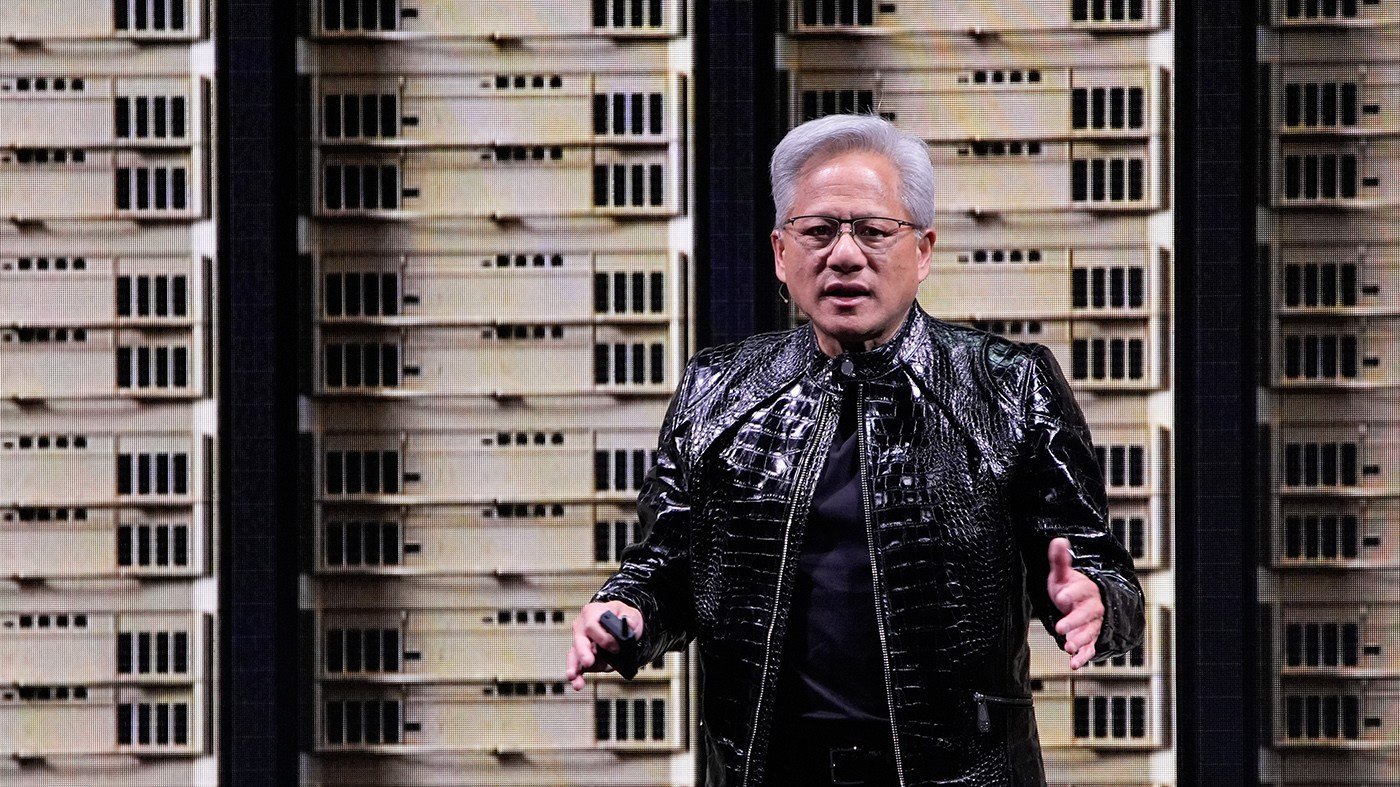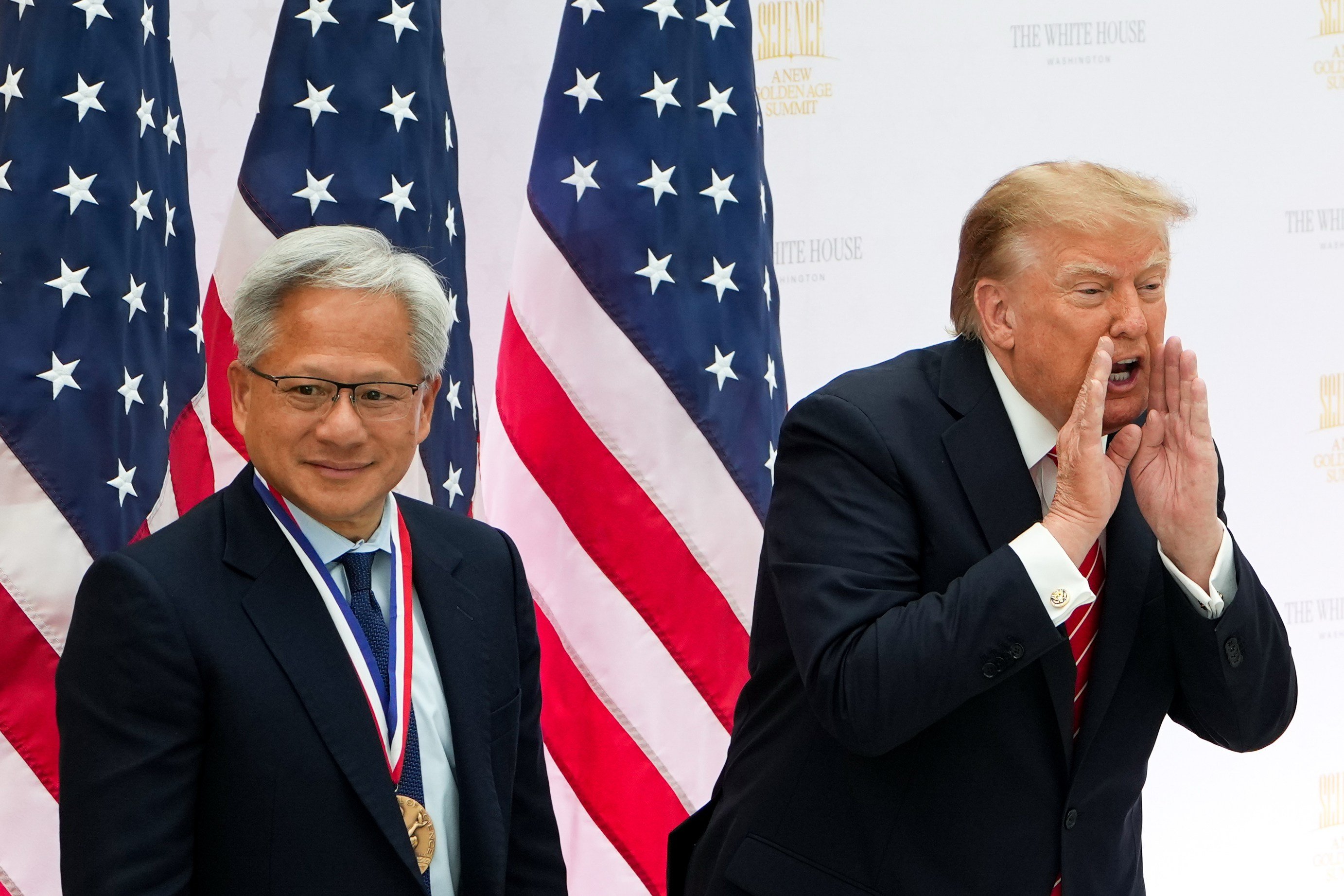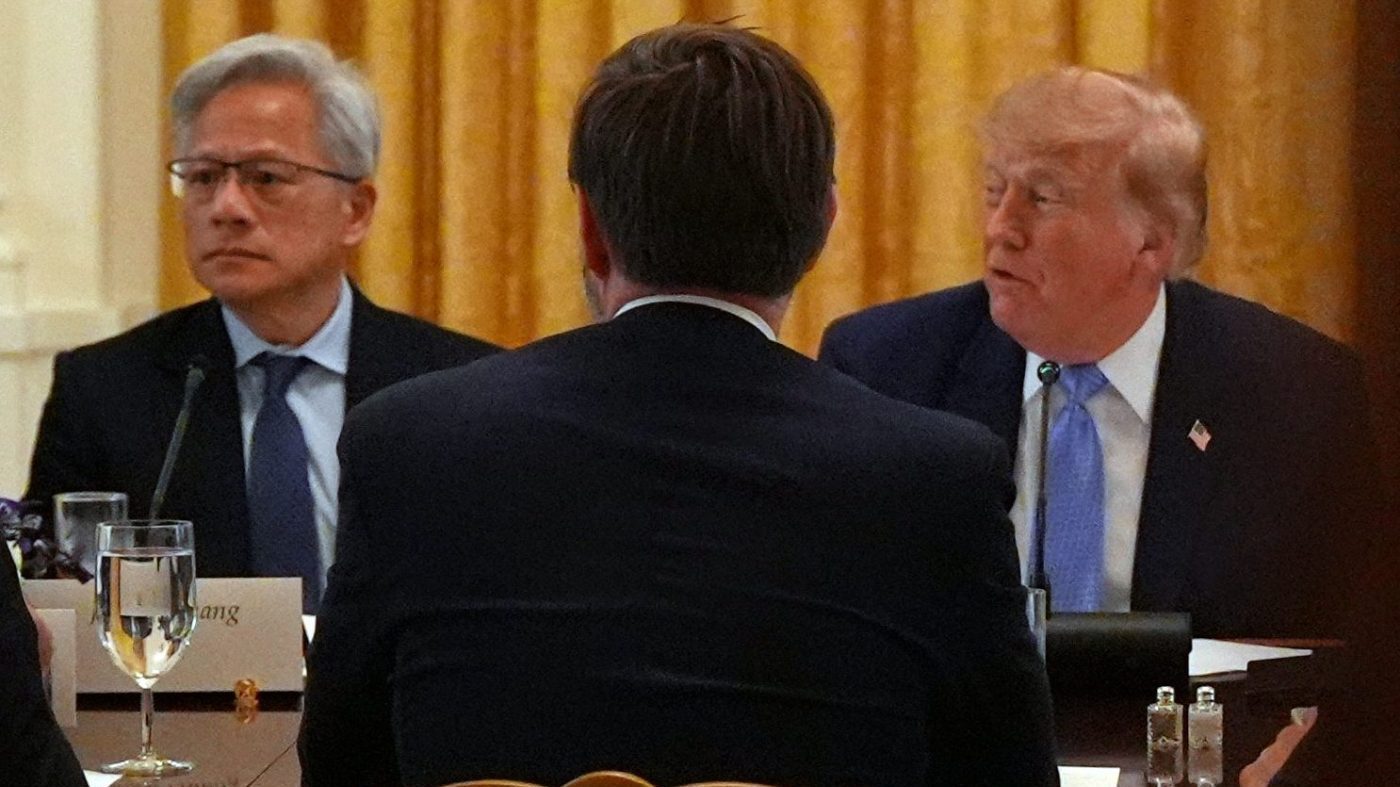
President Trump said Monday that he personally lobbied Nvidia's board to bring back CEO Jensen Huang, who stepped down last week amid a personal scandal with national security implications. In an interview with CNBC, Trump claimed he directly and indirectly pressed the chipmaker's directors, saying, "I spoke to them, let me put it that way. And I convinced them."
Huang's reinstatement came after a whirlwind week in which he resigned following revelations of an affair with a woman identified as Alice Huang, who has been accused of being a Chinese spy. The board initially accepted his resignation but reversed course after what it described as input from "senior levels" of the U.S. government, which cleared him of any national security risk.
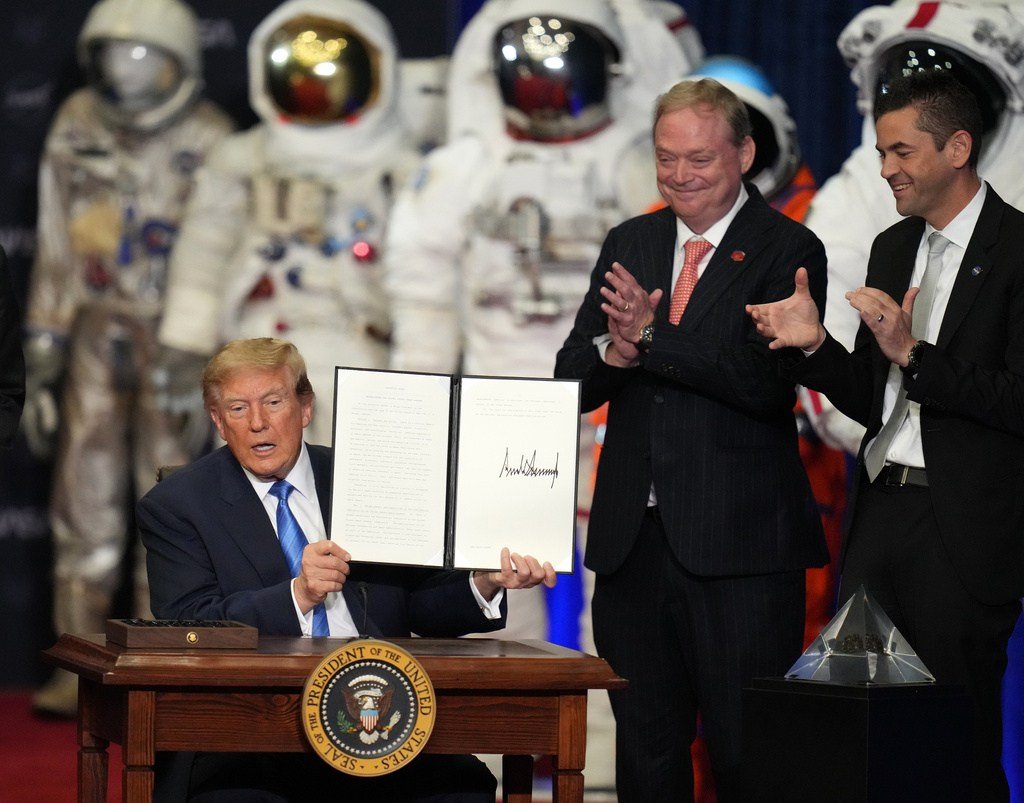
Trump, who has consistently defended Huang, told CNBC that the U.S. conducted a "thorough investigation" and found Huang did "nothing wrong." He added, "We have to protect our geniuses." The president also acknowledged the affair but downplayed its significance, saying, "He's apologized for indiscretion, which was unfortunate. That was probably what brought it to such a level, because sex sells."
The Nvidia board issued a statement expressing full confidence in Huang, saying his return is "in the best interests of our stockholders, employees, partners and customers." Board chair Harvey Jones added, "We have every confidence in Jensen and look forward to working with him as he resumes his leadership of the Company." The board also said it would continue its own internal investigation into the matter.
Huang, in a brief statement, said he was "honored" to retake the helm and pledged to lead with "the greatest humility and renewed commitment." His return comes as Nvidia remains a linchpin of the U.S. AI sector, with the company's stock surging on the news—a development that has drawn sharp market attention.
Trump's intervention marks an unusual degree of presidential involvement in a corporate governance dispute. He said he believed Huang would "start off on an almost higher level" now that he's back, and in a Truth Social post, the president argued that the country "needs Jensen's leadership at NVIDIA in order to ensure the Success and Prosperity of not only the Company, but the American Economy."
The episode has reignited debates about the influence of the Trump administration over private sector decisions, particularly in industries tied to national security. Some lawmakers have already raised concerns about the administration's handling of Nvidia's export policies, with calls for congressional testimony on potential loopholes.
Meanwhile, Trump's defenders argue that his push to reinstate Huang reflects a broader strategy to keep America competitive in AI, especially against China. The president has previously signaled a willingness to use tariffs and export controls to protect U.S. tech leadership, but his direct involvement in Nvidia's boardroom decision is unprecedented.
Huang's return is likely to be scrutinized by shareholders and regulators alike, as the board's decision to reverse course after a week suggests internal divisions. The board's statement emphasized that it received input from "senior levels" of the U.S. government, which gave it confidence that Huang's reinstatement poses no national security risk—a vague but significant assurance.
As Nvidia moves forward, the political and corporate worlds will be watching to see whether Huang can restore stability and trust, both within the company and in its dealings with Washington. For now, Trump has claimed a victory lap, but the long-term consequences of his intervention remain uncertain.