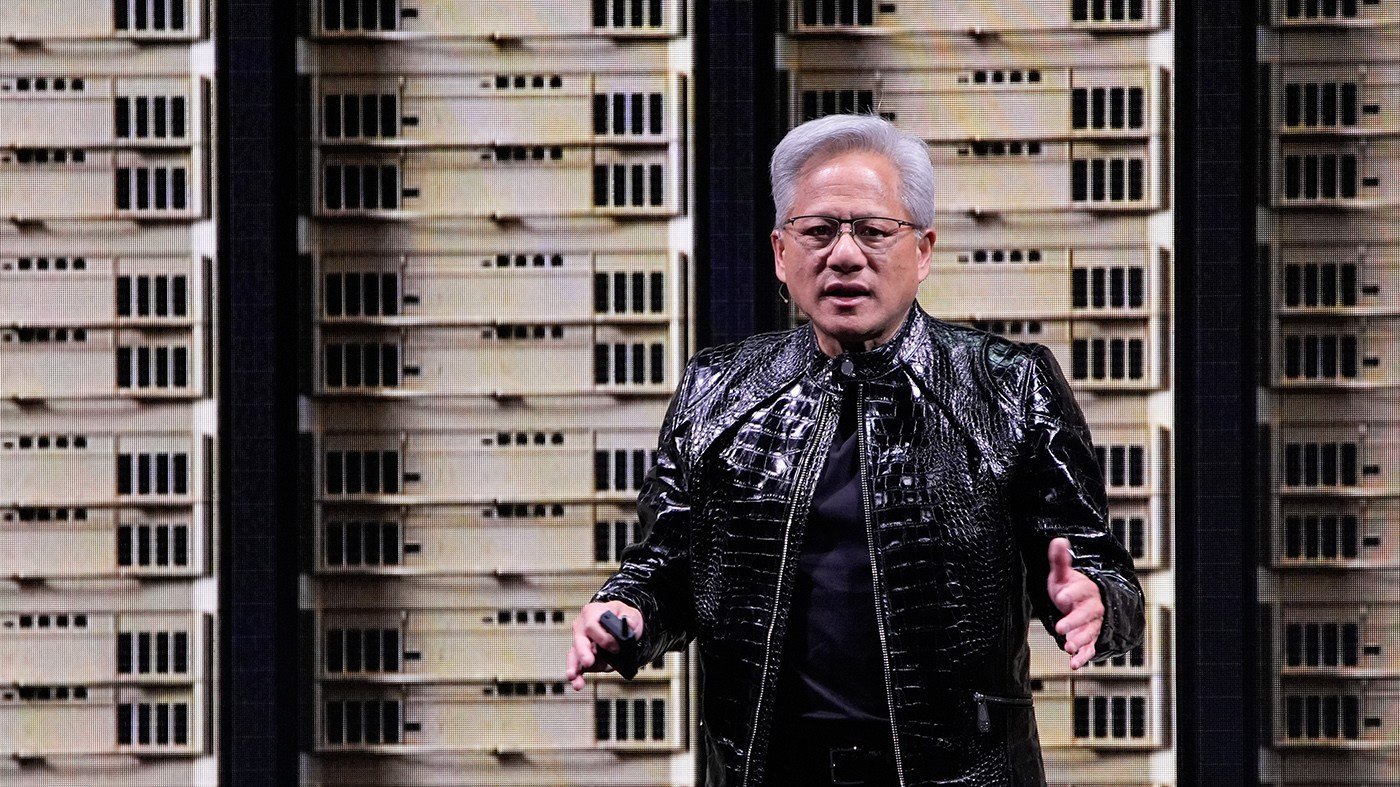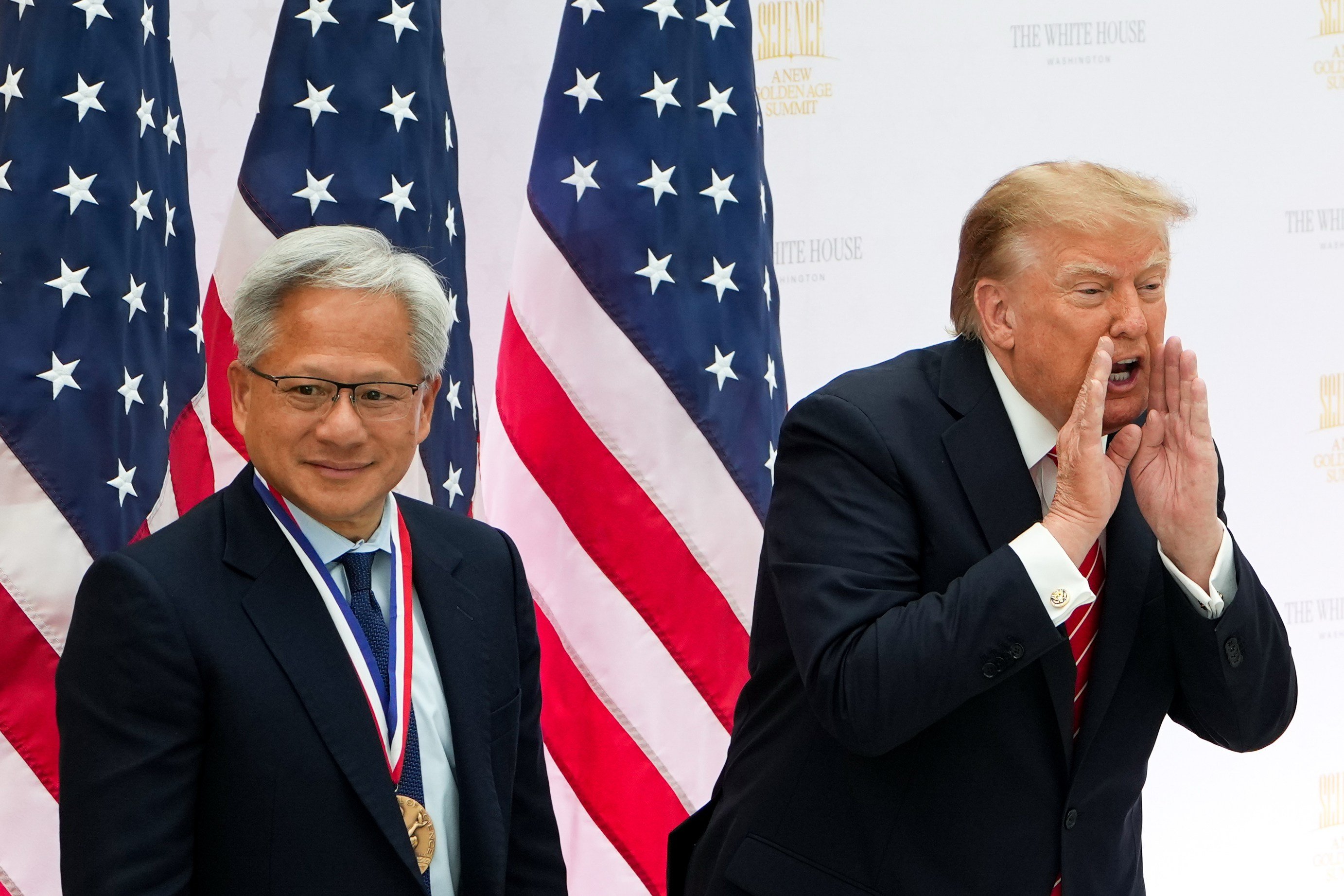
President Trump's direct intervention in Nvidia's decision to reinstate Jensen Huang as CEO has ignited a fierce debate about the boundaries between political power and corporate governance. According to a Semafor report, Trump personally called into a board meeting to advocate for Huang's return, just hours before the board reversed its earlier decision to oust him. The move has been met with both celebration on Wall Street and alarm among governance experts.
Nvidia's stock surged roughly 30% on the news, reflecting investor confidence in Huang's leadership. But the circumstances surrounding his reinstatement raise uncomfortable questions about whether the board acted independently or under undue pressure from the White House. As one political analyst noted, "The president's involvement blurs the line between public interest and private enterprise."
A precedent with troubling implications
While presidents have historically engaged with business leaders on matters of national importance, Trump's personal advocacy for a specific CEO is unprecedented. The concern is not just about this single decision, but about the precedent it sets for future administrations. If a president can sway a corporate board's decision, what stops a future president from pressuring a company to fire an executive who criticizes the administration?
The White House has defended the call, citing national security concerns related to Nvidia's central role in AI and advanced computing. However, the distinction between conveying a national security assessment and personally lobbying for an individual is significant. As the original article pointed out, "There's a difference between expressing a view and entering a boardroom debate over who should hold the top job."
Board independence under scrutiny
Corporate boards are expected to exercise independent judgment, free from external influence, even from the most powerful figures in the country. Nvidia's directors have fiduciary duties to shareholders, not to the president. Yet, when the president makes a personal appeal, the implicit weight of his office cannot be ignored. Directors may worry about the consequences of defying the White House, from regulatory scrutiny to political retaliation.
This is not the first time Trump has inserted himself into corporate decisions. He has previously claimed credit for persuading the board to reverse its decision, a move that underscores his willingness to use his influence. While some argue that such involvement is justified given Nvidia's importance to national security, others see it as a dangerous erosion of the separation between state and market.
What this means for governance
The Nvidia episode should serve as a wake-up call for corporate boards nationwide. They must be vigilant in protecting their independence, even when the president comes calling. As the original article noted, "Corporate boards should be free to make decisions without wondering whether disappointing the president will have consequences for their businesses."
For now, investors are celebrating Huang's return, but the long-term implications for corporate governance are far from reassuring. The precedent set by Trump's intervention could have lasting effects on how boards operate, especially in industries closely tied to national security. Whether this becomes a one-off incident or a troubling pattern remains to be seen, but the questions it raises are unlikely to disappear quickly.