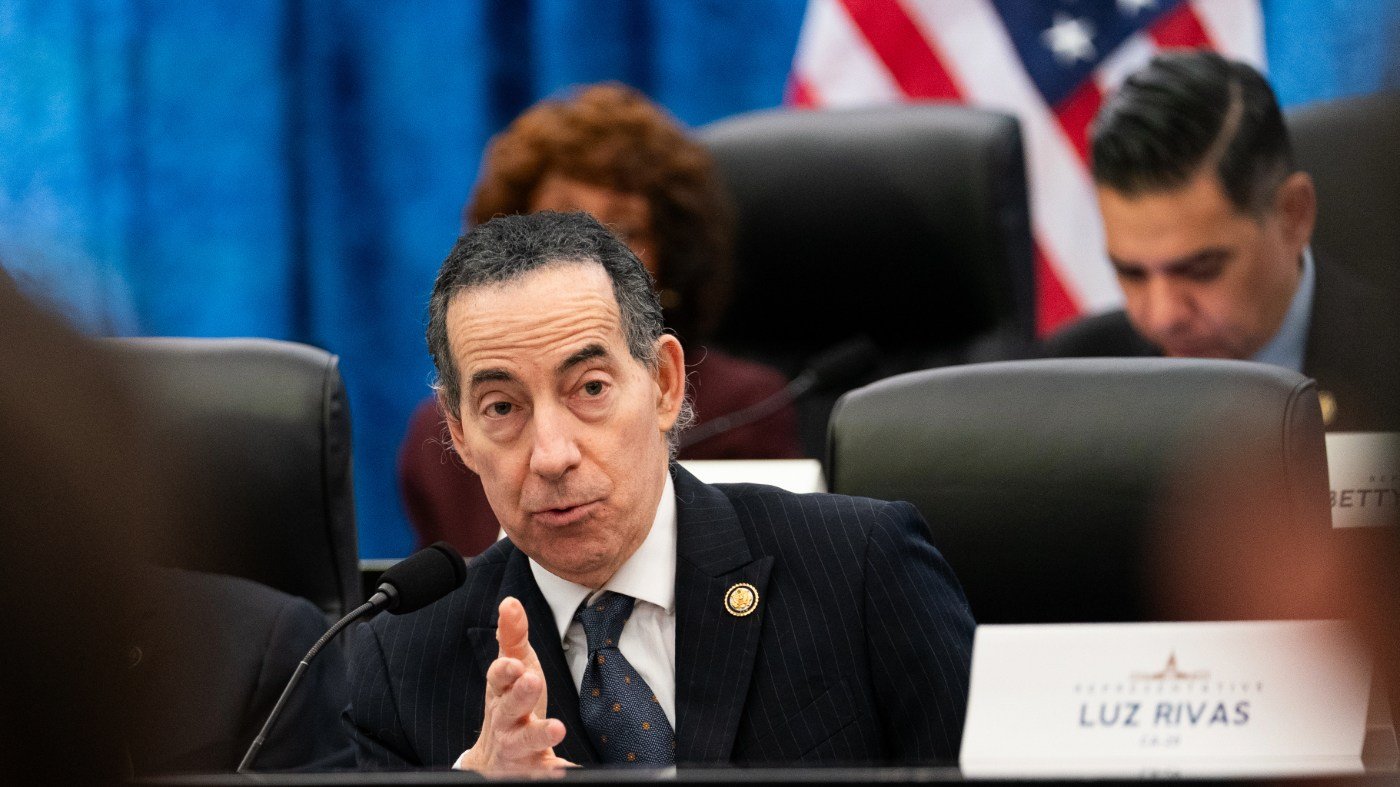
When Rep. Jamie Raskin (D-Md.) takes the gavel of the House Judiciary Committee in January, he will face a formidable obstacle in Justice Samuel Alito. Raskin, a longtime proponent of judicial reform, has laid out a sweeping agenda to rein in the Supreme Court's ethics and transparency. Alito, however, has made clear he views any congressional oversight as an unconstitutional intrusion.
Raskin's proposals include restricting the shadow docket, imposing gift limits, and creating an ethics counsel. The shadow docket, used increasingly to issue major rulings without full briefing or explanation, has drawn bipartisan criticism. Raskin's SHADOW Act would limit its use to emergencies and require a published explanation within seven days. Such a measure, as recent court decisions show, could affect cases across the political spectrum, making it a rare reform with no inherent partisan tilt.
The High Court Gift Ban Act would cap gifts to justices at $100 per item, mirroring congressional rules, with a $20,000 annual exception for personal hospitality. This follows revelations of lavish gifts to Justice Clarence Thomas, which have fueled public outrage. Even some conservative scholars have called the current arrangement unseemly, suggesting that public servants should not accept such largesse.
The Supreme Court Ethics and Investigations Act would establish an ethics counsel appointed by the chief justice to advise justices and their spouses. Consultations would be voluntary, and opinions would remain advisory and confidential. While some Republicans may balk at the counsel's independence, the proposal is designed to be nonpartisan.
Alito, however, rejects all such measures outright. In a 2023 Wall Street Journal interview, he declared that the Constitution gives Congress no authority to regulate the Court. This stance ignores Article III's explicit grant of congressional power over the judiciary's jurisdiction, but Alito has acted on his belief, declining to recuse himself in controversial cases and refusing to explain his recusal decisions despite the Court's own ethical principles.
Alito's influence extends beyond his own chambers. His conservative colleagues appear to share his view that they are not bound by federal ethics laws. This intransigence could backfire, as House Democrats may see no alternative but to pursue more drastic measures, such as expanding the Court's size, if common-sense reforms are blocked.
Raskin's proposals are modest and should appeal to both parties, but Alito's opposition, echoed by many Republicans, threatens to turn a legislative push into a constitutional crisis. As Senate reform efforts also face hurdles, the question is whether the Court can be held accountable without a political fight that could reshape it entirely.
In the meantime, Alito might echo Chicago alderman Paddy Bauler's famous line: this Court ain't ready for reform.