Senate Democrats are locked in a high-stakes debate over the future of the filibuster as they prepare to assume control of the chamber in January. The procedural question has become a central flashpoint in the party's leadership contest, pitting Sen. Chuck Schumer (D-N.Y.) against Sen. Chris Van Hollen (D-Md.), and exposing a deeper rift over how aggressively Democrats should wield their new majority.
At issue is whether to weaken or eliminate the 60-vote threshold required to advance most legislation. Progressives argue that the filibuster has become a tool for obstruction, allowing Republicans to block key Democratic priorities even when the party holds a slim majority. Moderates, however, warn that scrapping the rule could backfire when the GOP inevitably regains power.
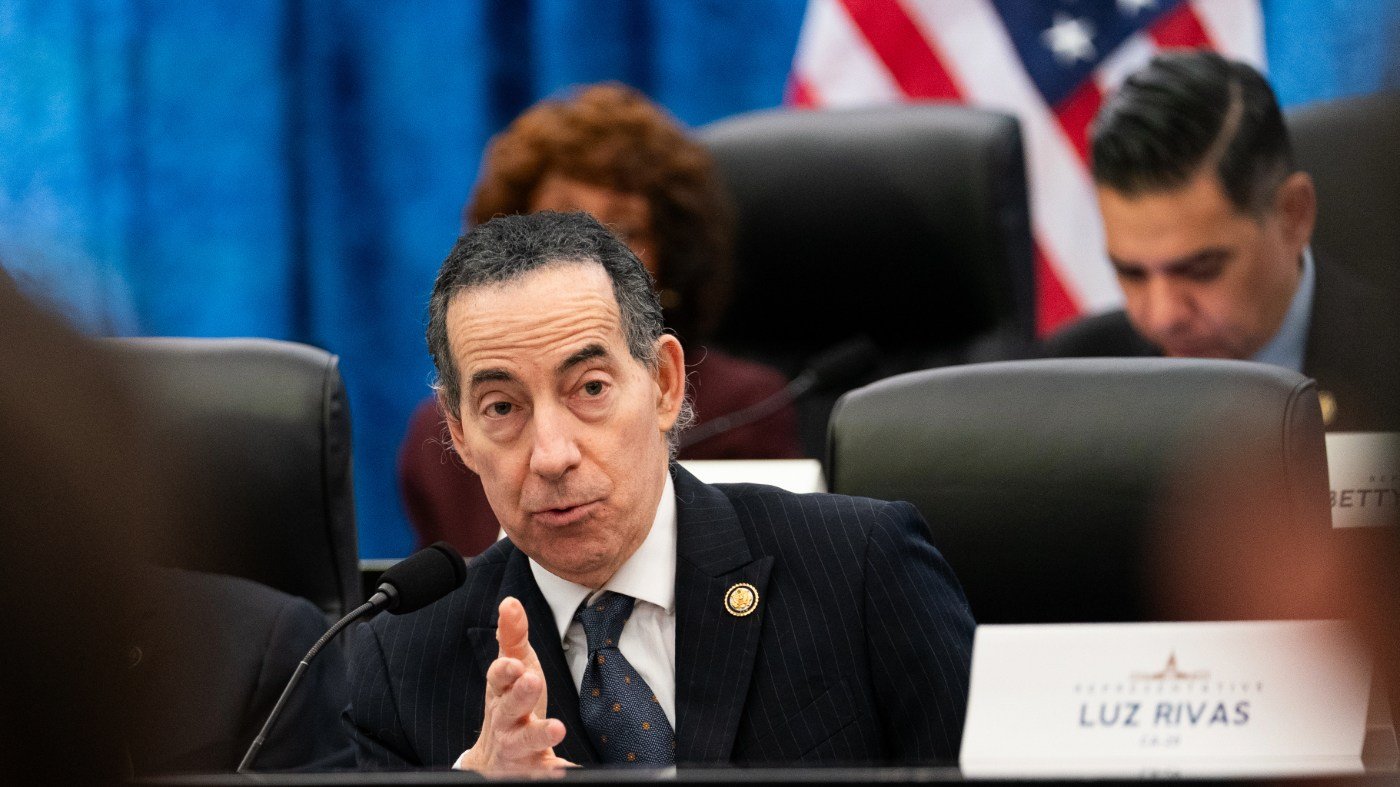
Schumer, the current minority leader and front-runner for majority leader, has stopped short of endorsing a full elimination of the filibuster, instead floating a “talking filibuster” that would require senators to hold the floor continuously. Van Hollen, a Maryland Democrat and former House member, has pushed for a more sweeping reform, arguing that Democrats must act decisively to deliver on their campaign promises.
“The American people gave us a mandate,” Van Hollen said in a recent interview, emphasizing that Democrats must prove they can govern. “We can’t let a procedural relic stand in the way of progress.”
The filibuster debate is not just theoretical. With a razor-thin majority expected in the Senate, Democrats will need near-unanimous support within their own caucus to pass legislation on a party-line vote. That reality has made the leadership race a proxy for the party’s broader strategic direction, as Trump has already predicted a rocky path with Schumer if Democrats take control.
Complicating matters, Democrats are also eyeing ways to get bills to President Trump’s desk despite his veto power. Some have floated attaching policy riders to must-pass spending bills, while others are exploring executive actions that could bypass Congress altogether. The filibuster, however, remains the primary obstacle for standalone legislation.
The internal struggle has spilled into public view, with House Democrats already selecting their leadership and the Senate race heating up. The outcome of the Senate leadership vote, expected in December, will signal which faction’s approach will dominate the next Congress.
Meanwhile, in a separate development, Nvidia’s board has reinstated Jensen Huang as CEO, a stunning reversal that has sent shares soaring 27% and drawn praise from President Trump, who endorsed the decision. The move comes amid an ongoing export loophole investigation and as Democrats prepare to set an AI agenda for the next Congress.
For now, all eyes are on the Senate floor, where the filibuster debate will shape not only the leadership race but also the party’s ability to deliver on its legislative goals. As one senior Democratic aide put it, “This is a test of whether we can govern or just talk.”