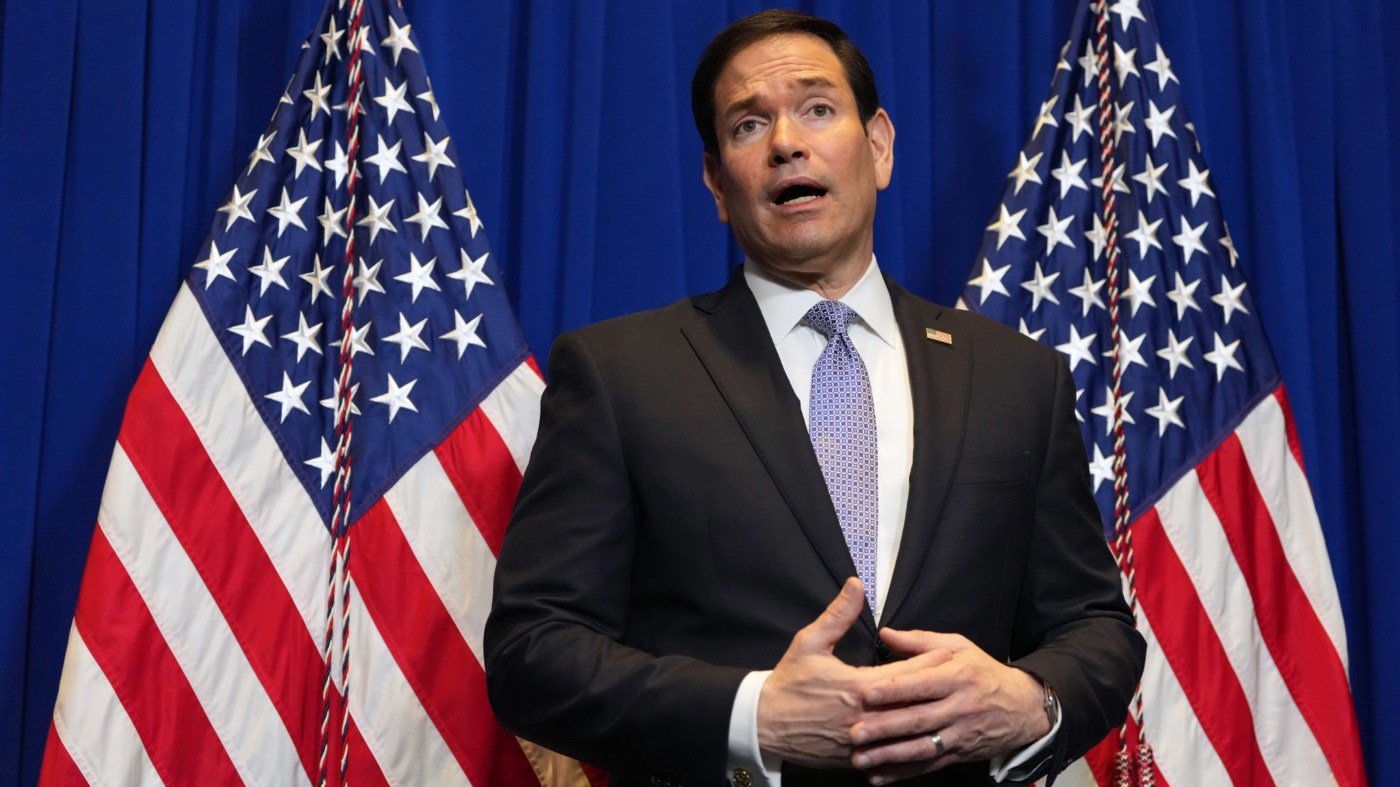
Secretary of State Marco Rubio's recent address to the Federalist Society was a stark and revealing glimpse into the worldview of a man positioning himself for a 2028 presidential bid. The speech, delivered to a gathering of conservative lawyers, was both shameful and illuminating, laying bare an administration's disdain for legal norms both at home and abroad.
Rubio's remarks dismissed criticism of the administration's military actions in the Caribbean and Pacific, which have resulted in the deaths of approximately 250 people without due process. He invoked the words of a Roman general, “Stop quoting laws to men with swords,” directly targeting the International Criminal Court and its mission to hold human rights abusers accountable. This was a pointed attack on international legal institutions, and the timing was conspicuous: the administration has been actively seeking to undermine the ICC.
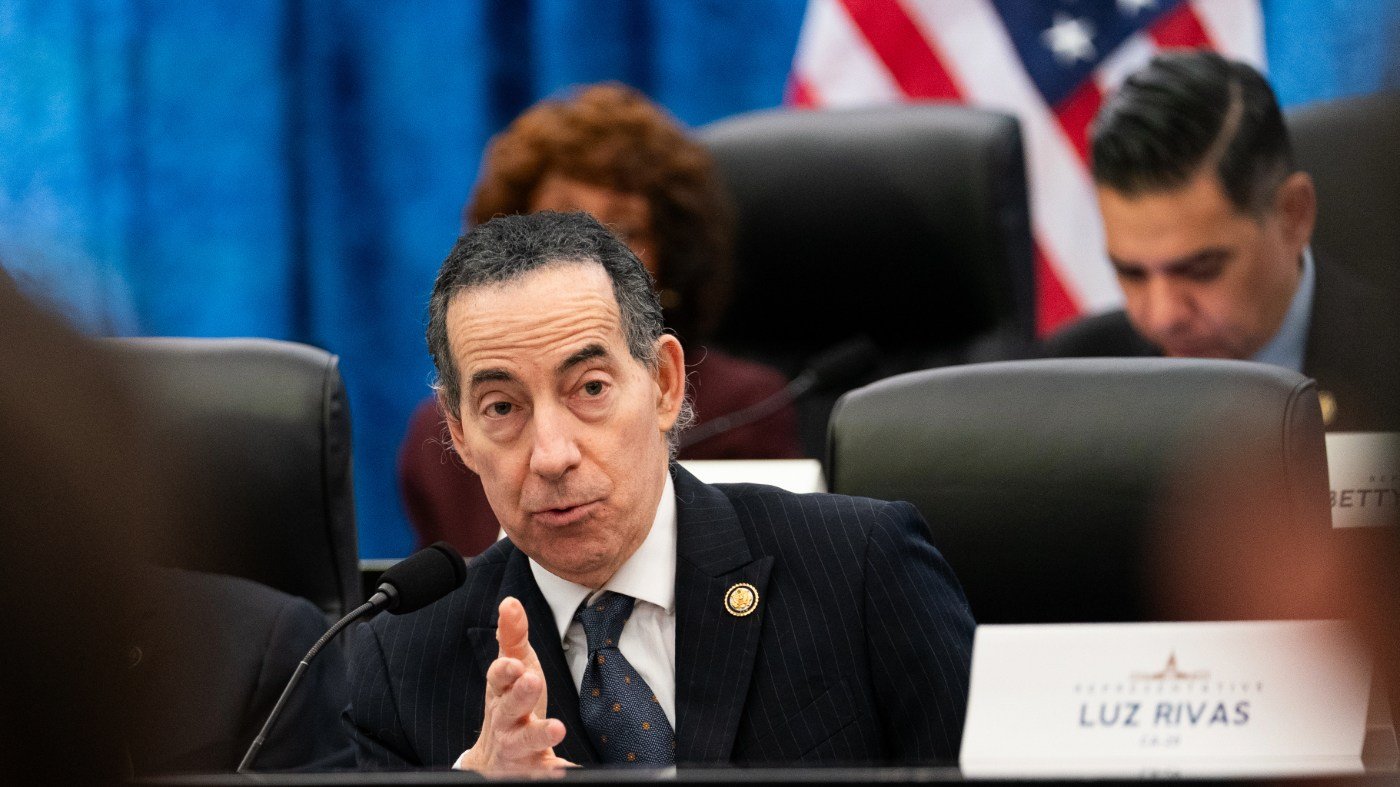
The speech was not merely an attack on global governance. Rubio also took aim at American judges who have resisted the administration's overreach, as well as their allies in academia, the press, and the “professional activist class.” He accused these critics of believing that the “fundamental purpose of the law” is to “weaken the United States” and hinder its ability to defend its interests. This characterization, critics say, is a cynical smear that ignores the patriotic engagement of citizens and elected officials working to strengthen democratic institutions.
Rubio's rhetoric painted a portrait of an “empire” defined by “irrepressible ambition” and a heritage of acting without “moral doubt.” He glossed over the nation's history of slavery, Native American displacement, and Jim Crow, dismissing the value of critical reflection. This whitewashed narrative is part of a broader MAGA effort to reshape historical education, a strategy that has alarmed educators and historians.
His celebration of the Federalist Society's power-building strategy was equally telling. Rubio praised the “long march through the institutions of American law” that has funneled conservatives into key positions, “seizing the levers of history.” He openly acknowledged that the goal is not just to place judges but to “shape the world in which they do so”—a frank admission of the political project behind the legal movement, which has long claimed to be nonpartisan.
The speech comes as Rubio is increasingly seen as a front-runner for the GOP nomination, with recent polling showing him leading the field. His remarks, which some have called an unscripted and telling moment, are likely to be scrutinized by voters and opponents alike. The secretary's embrace of a might-makes-right philosophy raises serious questions about his commitment to the rule of law and democratic accountability.
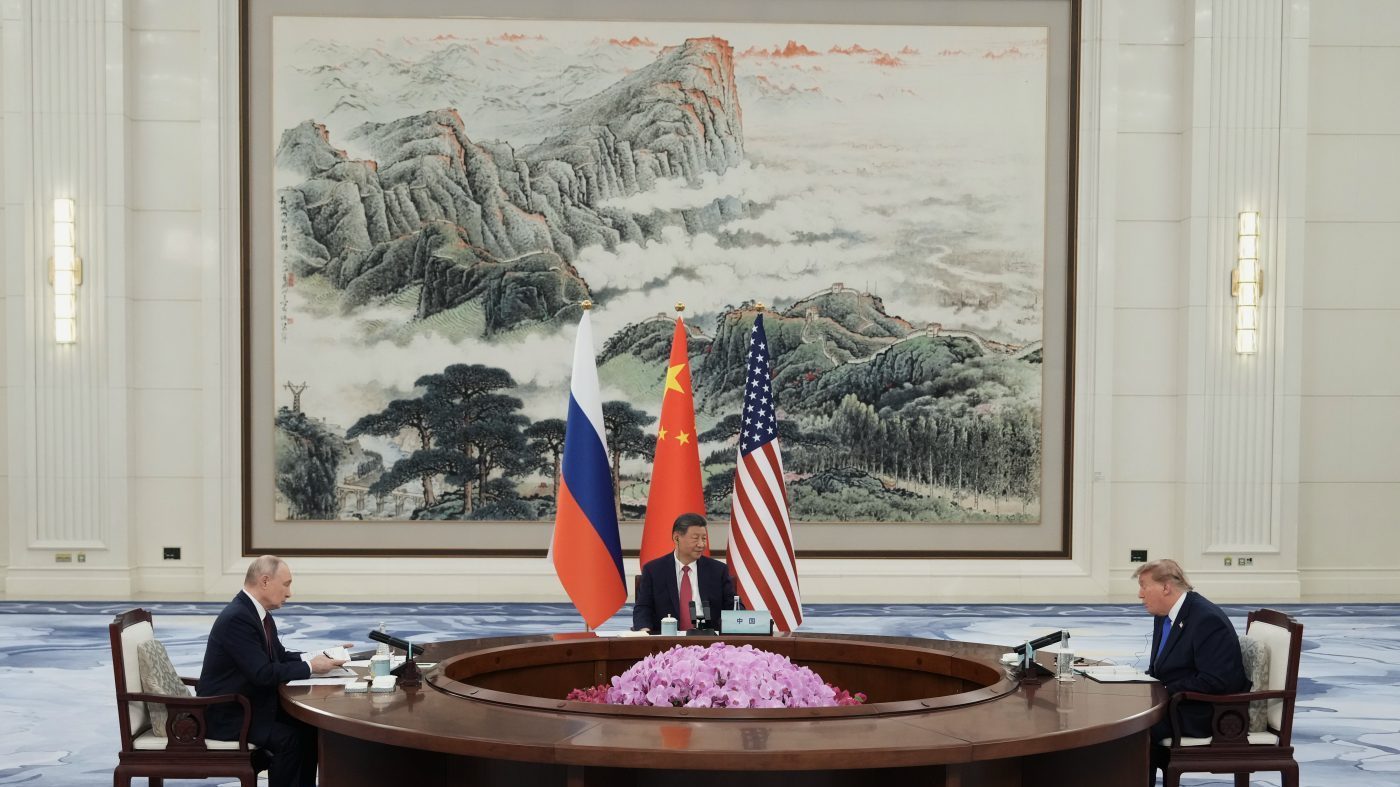
Rubio's worldview, which rejects the idea that “great nations” cannot “impose ourselves upon the world,” is particularly dangerous in a nuclear age. It aligns him with authoritarian leaders like Vladimir Putin and Xi Jinping, who act without moral qualms. His speech suggests a willingness to discard the very checks and balances that have protected American democracy, a stance that many Americans, who recently rejected Trumpism at the ballot box, are unlikely to embrace.
As the administration prepares to face oversight from a newly elected Congress, Rubio's remarks signal a defiant posture. His belief that the American people will support a return to such abuses of power in 2028 may be misguided. The backlash to his speech, and the broader reaction to the administration's actions, suggests a public that is increasingly weary of cruelty and bullying cloaked in patriotic language.