More than a decade ago, I foresaw that the greatest danger to international order would not come from great power rivalry, terrorism, or state failure, but from massive attacks of disruption and destruction—whether human-made or natural, such as pandemics, extreme weather, or environmental catastrophes. That prediction has proven all too accurate. Floods, fires, earthquakes, and the accelerating threat of climate change have already brought calamity to communities worldwide.
Yet the most immediate peril comes from our own hands. Since 1945, nuclear and thermonuclear weapons—measured in megatons of destructive force—have posed an existential threat to humanity. A full-scale thermonuclear war would leave no victors, only survivors, if any, amid radiation and ruin. Plutonium, the core material of these weapons, has a half-life of 24,000 years, a stark reminder of the long shadow they cast.
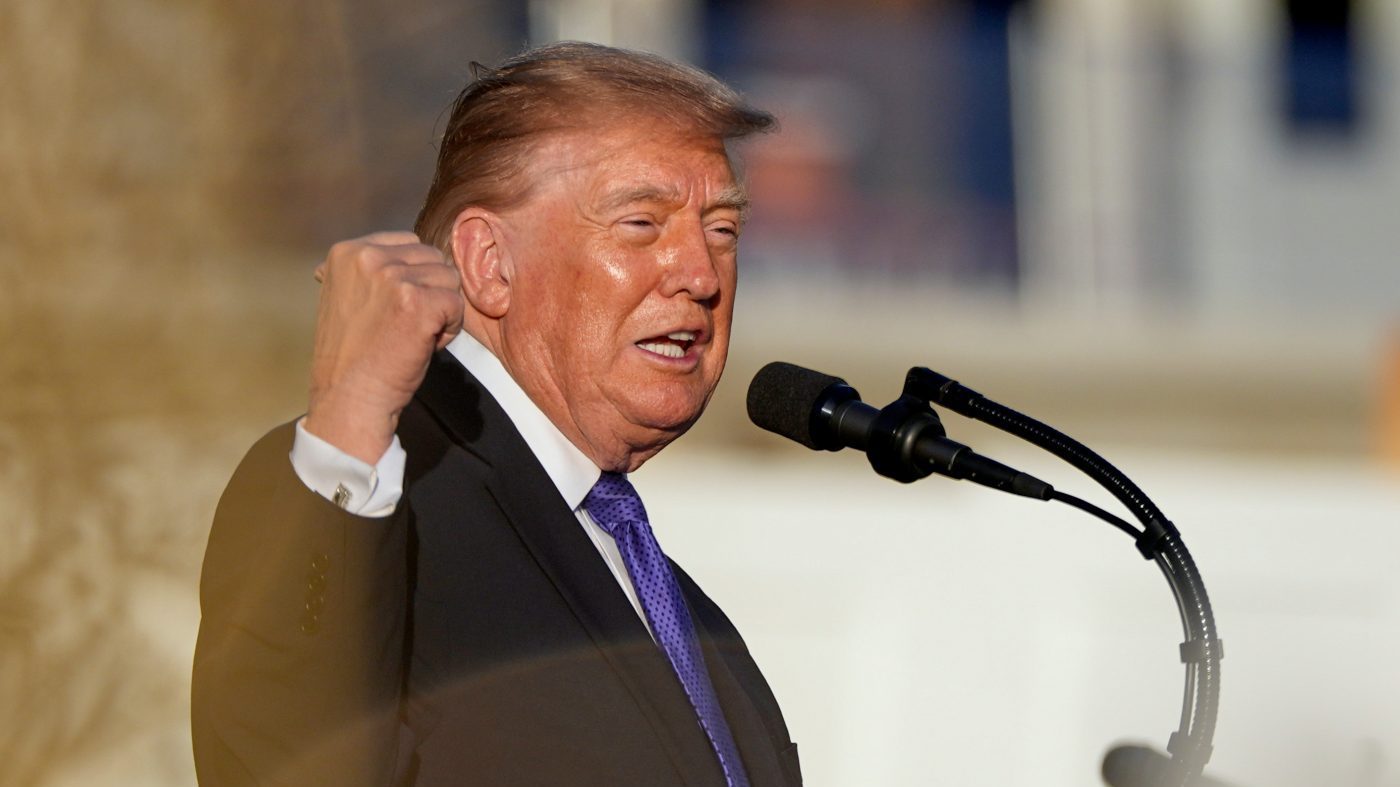
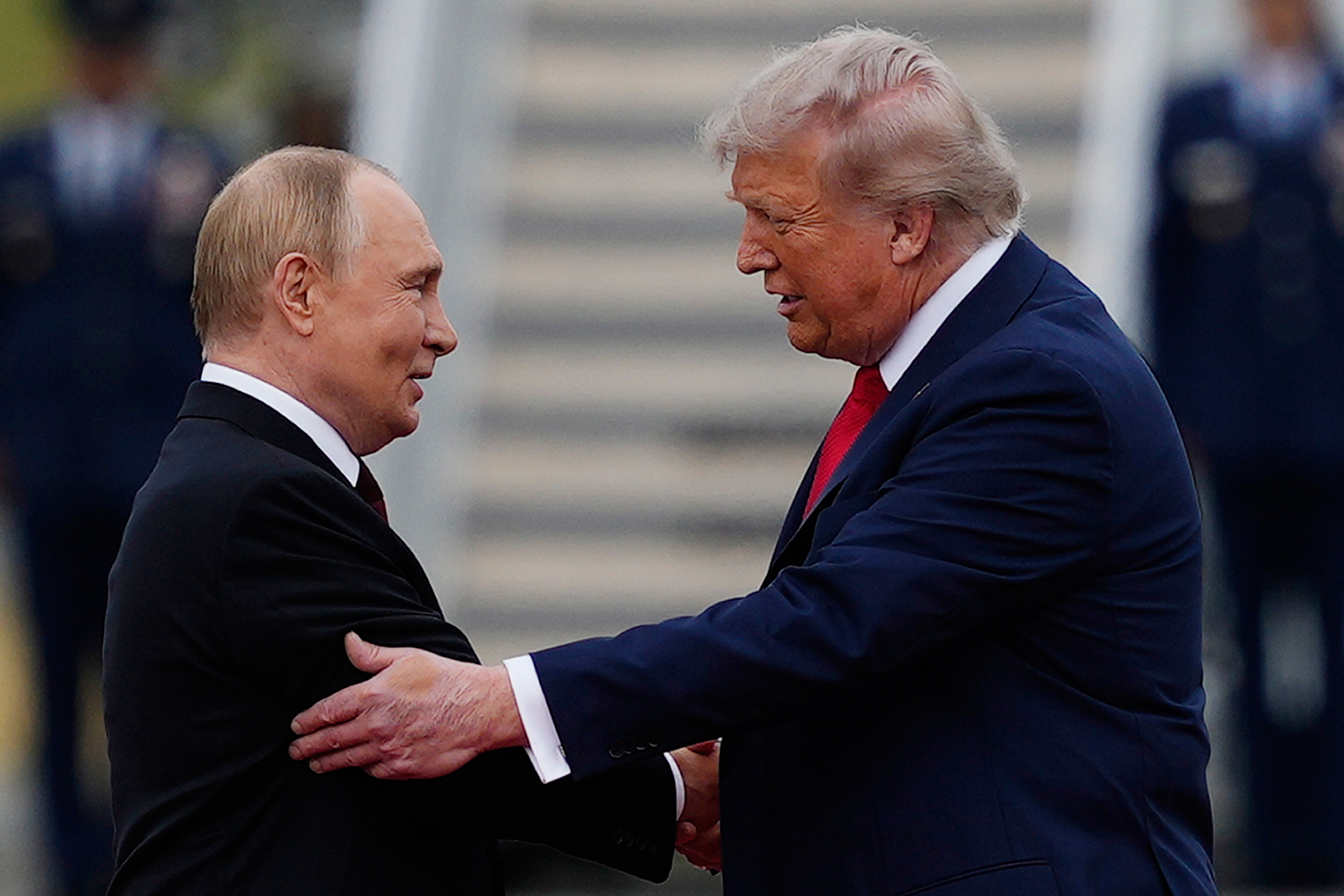
So far, the doctrine of mutual assured destruction has prevented the ultimate catastrophe. President Trump's efforts to engage Presidents Xi Jinping and Putin in nuclear arms talks were a step in the right direction, and all three seemed to accept the need for a risk-reduction mechanism. But as Trump's "America First" agenda erodes trust in U.S. security guarantees and he continues to favor Putin in the Ukraine war, nations like Japan, Korea, Finland, Poland, and Sweden may feel compelled to reconsider their nuclear options.
This could trigger a new wave of nuclear proliferation, multiplying the number of fingers on triggers and making global instability far more dangerous. The current eight nuclear states could grow, and with them, the risk of miscalculation or deliberate use.
Last week's tech outages were a chilling preview of what AI-driven disruption might look like. The U.S. air traffic control system was knocked offline, and Microsoft, United Airlines, and several banks suffered network failures. In France, hackers targeted refrigerators, ruining frozen goods. The causes remain unclear: human error, AI's autonomous decisions, or deliberate interference. The FAA blamed a router with improperly installed fiber optic cables, but others suspect AI may have escaped its sandbox and probed systems for vulnerabilities.
A more sinister possibility is that a state actor or malicious individual could use AI to orchestrate massive attacks of disruption and destruction. Imagine a nationwide outage affecting the internet, utilities, communications, banking, transportation, and even hospitals. Society would grind to a halt, and chaos would be an understatement. As we become more advanced, our vulnerabilities multiply—often faster than our defenses.
Some argue that nuclear weapons offer no model for addressing AI's risks. But AI could inflict comparable damage without a single missile. After Hiroshima and Nagasaki, the world recognized the need to contain nuclear war. Today, we have no similar consensus on AI. The pressing question is whether we will ever achieve it.