Sen. Ashley Moody (R-Fla.) is pressing Congress to choose her state as the site for the new United States Space Academy, arguing that Florida's existing aerospace infrastructure and expertise make it the only logical choice. The deadline for states to express interest passed on Nov. 16, and Moody is making a full-court press to secure the facility for the Sunshine State.
In an op-ed, Moody framed the decision as a matter of national security, noting that the military depends on satellites for communications, navigation, intelligence, and early missile warning. "Protecting those capabilities and maintaining America's superiority in space are essential to our national defense," she wrote. The academy, she said, will train the next generation of space leaders, and where it is located will determine how well prepared they are for future challenges.
Moody highlighted Florida's track record, from the Mercury missions to the Artemis II launch at Kennedy Space Center. She noted that in 2025, Florida's Space Coast set a record with 109 orbital launches, more than any other U.S. spaceport. Kennedy Space Center and Cape Canaveral Space Force Station operate side by side, supporting NASA, the military, and commercial space ventures. Nearby, Patrick Space Force Base hosts the Space Force's Space Training and Readiness Command, which is responsible for training guardians.
Florida's universities are also a key part of the pitch. The University of Central Florida was founded to support the space program and partners with the Space Force, while Embry-Riddle Aeronautical University and Florida Tech produce aerospace engineers and scientists. Moody argues that students at the academy should learn alongside the people designing, building, and launching space technologies, something that cannot be replicated overnight.
She also made a fiscal argument: "Why should American taxpayers pay to recreate launch ranges, test facilities and an industry base that already exist here?" The academy will require new investment, but Moody said every dollar spent duplicating existing infrastructure would be better used for instruction, research, and student support.
Moody introduced the STARS Act to establish the academy in Florida, contrasting her state's stable, pro-space environment with other states that have shown "reservations or outright hostility" toward space. She emphasized that Florida's consistent policies have made it a reliable home for long-term space investment, regardless of election cycles.
She called for bipartisan support, saying the decision should be based on national security and fiscal responsibility, not politics. "The academy should be no one's political trophy," she wrote, adding that she is ready to work with colleagues in both parties.
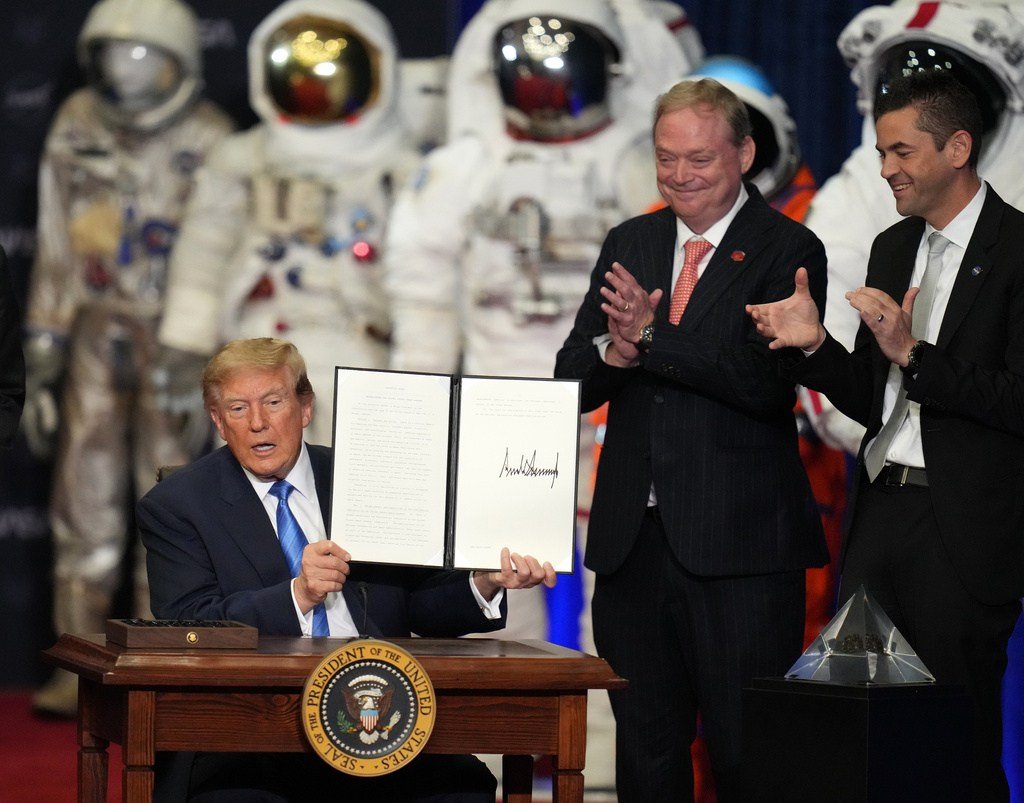
Moody invoked President Trump's creation of the Space Force as a foundation to build on, and concluded: "The infrastructure is here. The expertise is here... Why on Earth would we start over somewhere else? The Space Academy belongs in Florida."
Her push comes as other states, including Texas, are also vying for the academy, with some lawmakers uniting to bring it to the Lone Star State. The competition is fierce, and the final decision will hinge on a mix of political and strategic considerations.