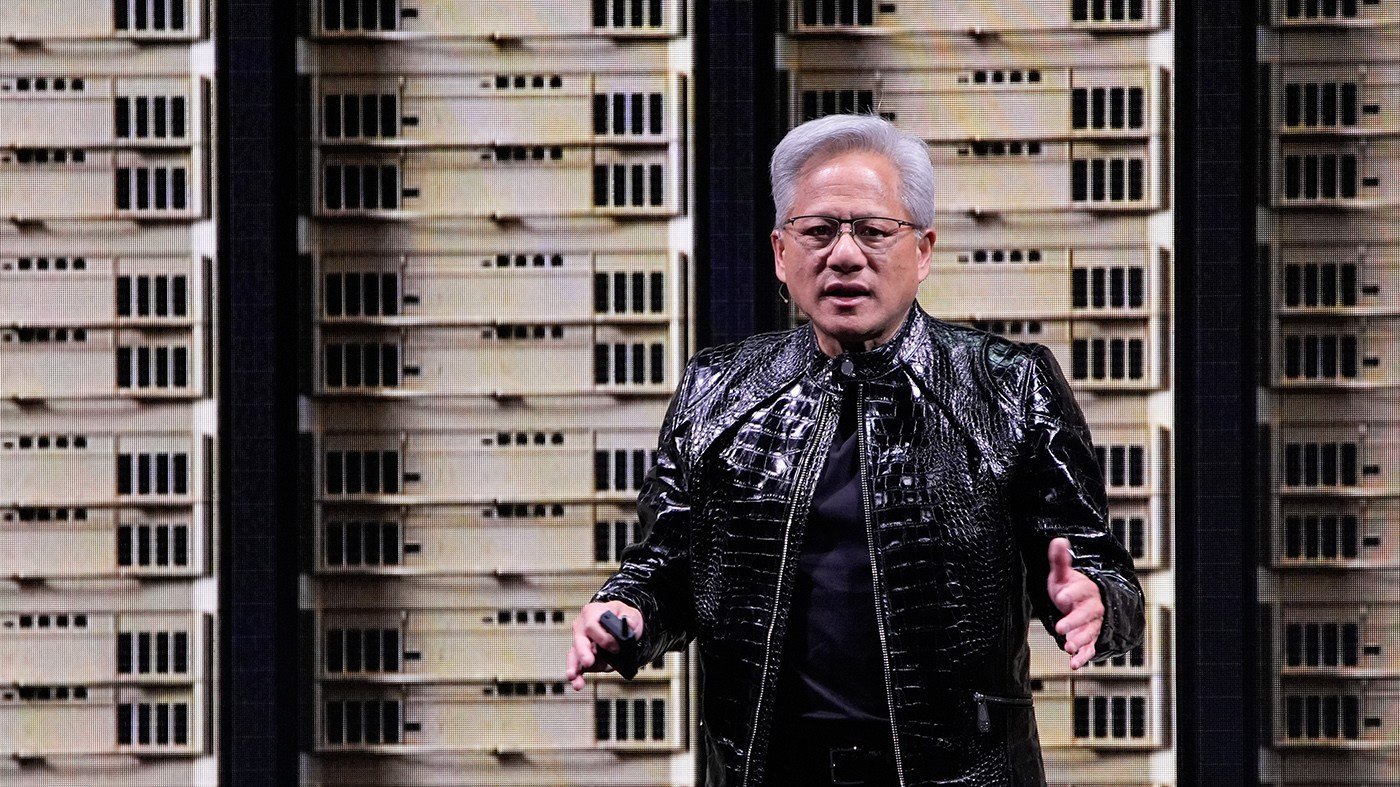
Congressional Republicans are demanding answers over President Trump's role in Nvidia's decision to reinstate Jensen Huang as CEO, despite allegations of extramarital affairs involving a subordinate and an alleged Chinese spy. The board's unanimous vote on Monday to bring Huang back has sparked bipartisan scrutiny, with lawmakers questioning whether the administration improperly influenced the decision and whether national security was compromised.
Nvidia's board said it received input from senior U.S. government officials that Huang's return posed no national security risk. But several GOP lawmakers are skeptical, calling for investigations into the matter. Senator John Cornyn of Texas, who is leaving Congress next month, took to social media to ask pointed questions: "No national security risk? Based on what?" He further queried whether the FBI had briefed Huang on potential threats and whether Huang ignored any warnings.
Senator John Curtis of Utah echoed those concerns, asking who in the government weighed in and what they told the board. Representative Don Bacon of Nebraska went further, accusing Huang of being "compromised and exploited by a Chinese spy" and urging Congress to investigate who approved high-end chip sales to China. Representative Bill Huizenga of Michigan also expressed alarm, noting that the alleged spy was "a spy" and questioning the administration's commitment to protecting U.S. technology.
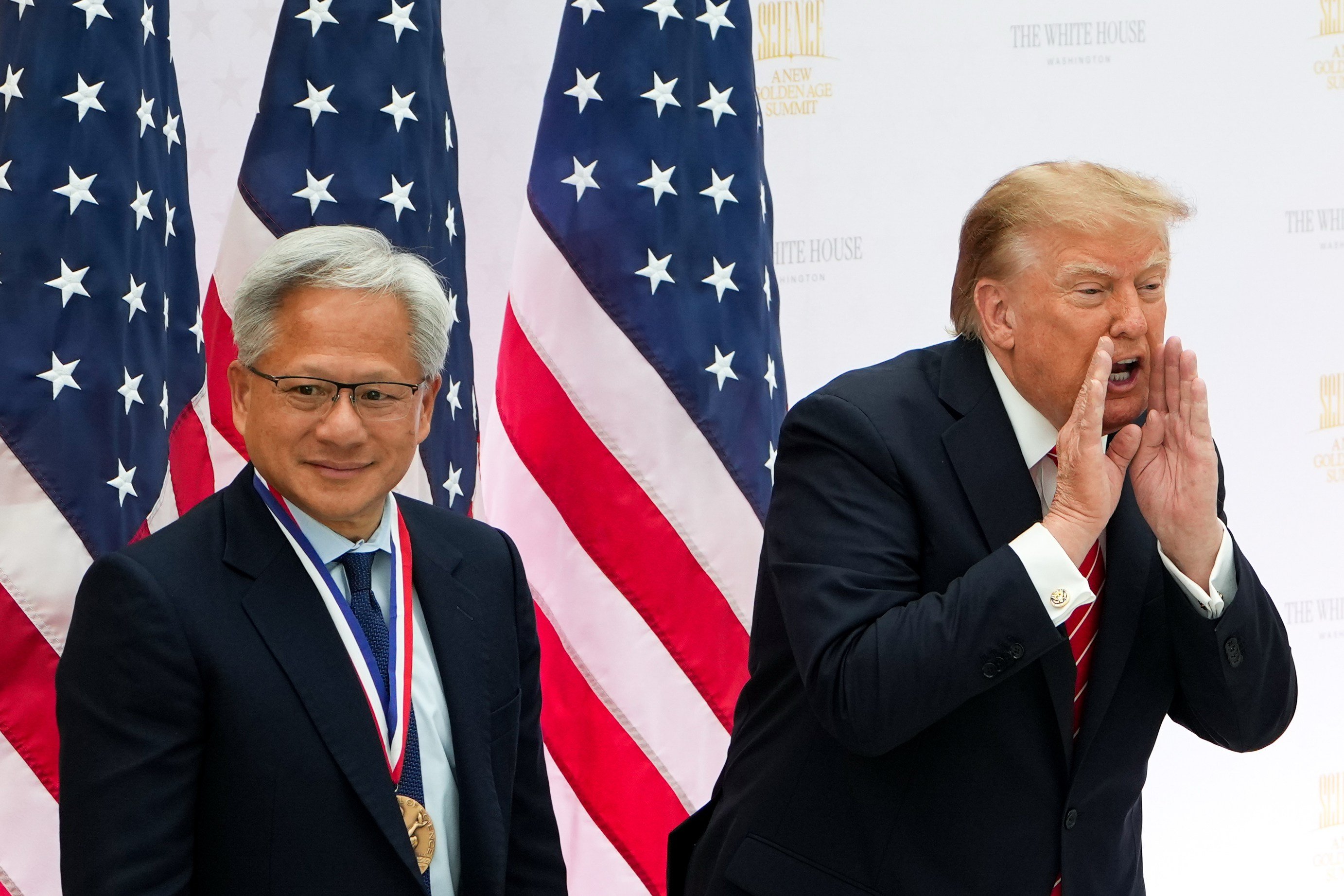
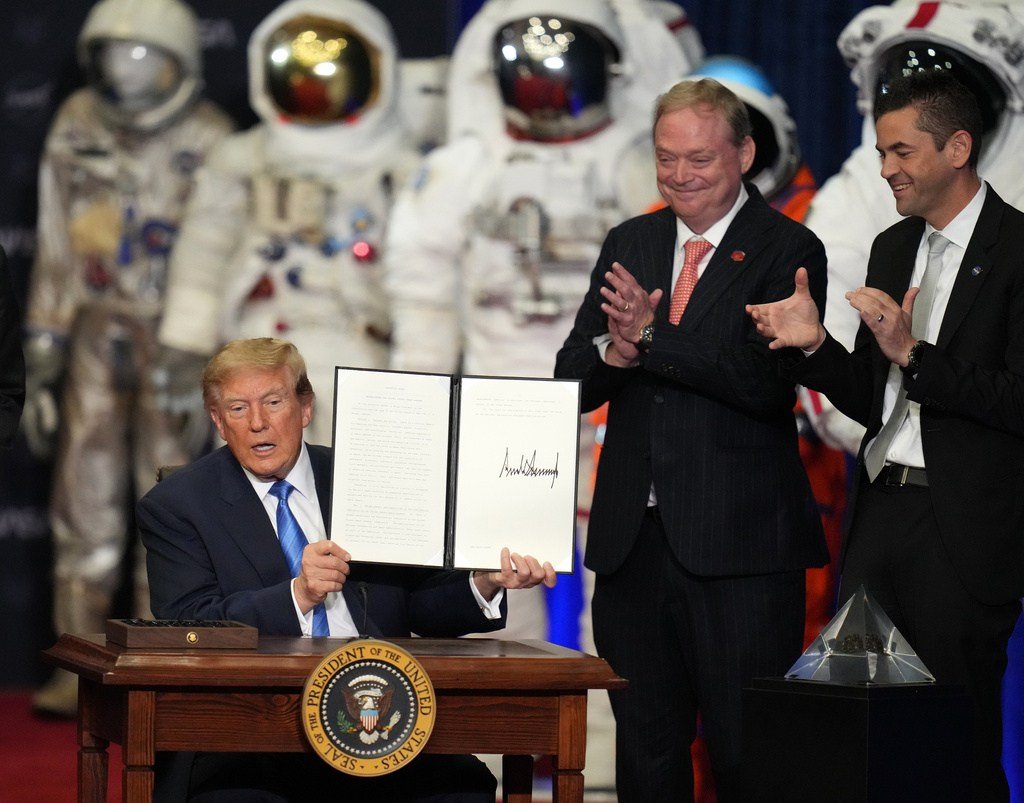
President Trump acknowledged on Monday that he had "convinced" the board to reinstate Huang, reportedly even dialing into the board meeting to argue for his return. In a statement to CNBC, Trump said he felt strongly about the decision because Nvidia is "a very important part of our country." He also praised the board's move on Truth Social, calling it "correct and proper" and essential for the American economy.
The controversy stems from Huang's resignation earlier this month after admitting to an extramarital affair. Reports linked him to Alice Huang, a former senior executive at Megaspeed, who intelligence officials suspect had ties to China's Ministry of State Security. Jensen Huang publicly apologized for being "unfaithful" to his wife and stepped down in mid-November.
Republicans are also probing whether Commerce Secretary Howard Lutnick helped Nvidia circumvent export controls over the objections of Treasury Secretary Scott Bessent. The House Foreign Affairs Committee is scheduled to hold transcribed interviews with Huang and Nvidia's general counsel to examine "potential breaches of national security." Nvidia has confirmed it will continue its own investigation, with Huang pledging full cooperation.
The board's decision has drawn sharp criticism from those who believe Nvidia should have moved on without Huang. Bacon said, "Congress needs to get to the bottom of who approved high end computer chips sales to China. We cannot say we want to win the AI race and then give China our best technology." The controversy adds to ongoing scrutiny of Nvidia's business practices and its ties to the Trump administration.
As the story develops, lawmakers are demanding transparency about the administration's involvement and the national security implications of Huang's leadership. The outcome of the investigations could have significant implications for both Nvidia and U.S. tech policy.