FIFA has officially designated the United States as a host for the Women's World Cup in 2031, an event that will also span Mexico, Costa Rica, and Jamaica. This marks the first time the women's tournament will expand to 48 teams, and the first time it will be played on American soil since 2003.
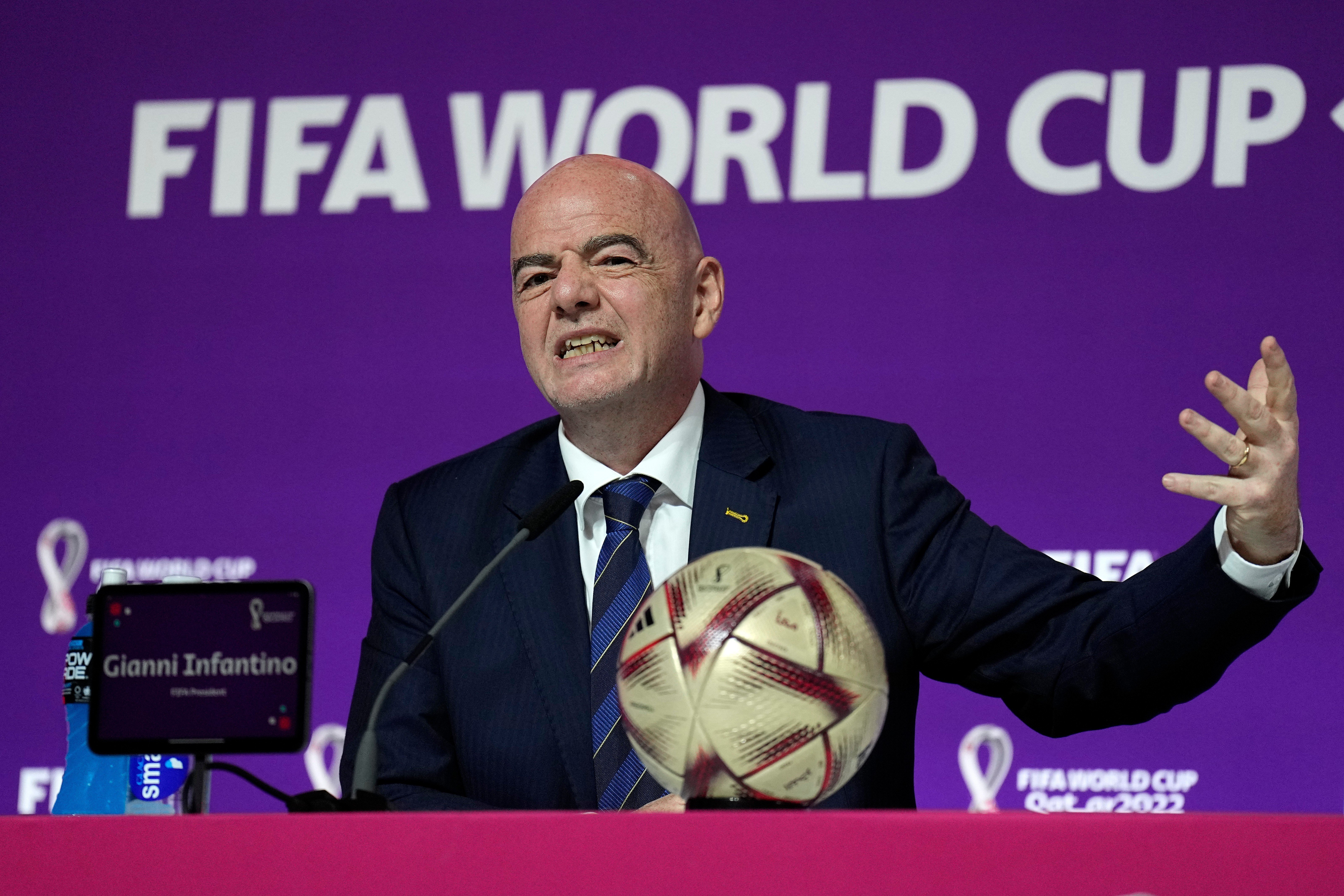
The announcement came on Monday, with FIFA also confirming that a joint bid from England, Northern Ireland, Scotland, and Wales will host the 2035 edition. The decision underscores FIFA's push to broaden the global footprint of women's football, according to President Gianni Infantino.
"Our objective, of course, is making women’s football truly global, and to build the future together with all Member Associations and with all stakeholders," Infantino said in a statement. "Today, we decide here on the hosts of the FIFA Women’s World Cup 2031 and 2035. This is a proud moment for you, this is a proud moment for us, for all of us."
The selection arrives five years after the men's World Cup generated record revenue for FIFA, drawing millions of international visitors to the U.S. and delivering what the organization called its most profitable tournament ever. The 2026 men's event also saw television ratings soar, with Spain claiming the title for the first time since 2010.
The U.S. women's team has been a dominant force in the competition, capturing four World Cup titles, the most recent in 2019. The upcoming tournament is expected to further capitalize on the sport's growing popularity in America, which has surged since the country hosted the men's event in 1994.
However, the announcement comes amid ongoing scrutiny of Infantino's leadership. With FIFA's presidential election looming next spring, Infantino has faced repeated allegations of corruption and self-dealing, as well as questions about his close relationship with President Trump during the 2026 men's tournament. Critics have also raised concerns about the U.S. government's ties to FIFA under Trump's second term.
Infantino framed the hosting decision as part of a broader mission to develop the sport globally. "Football belongs to everyone, everywhere in the world, and we have to create opportunities, we have to create development, we have to create infrastructures," he said. "We need resources, as well, to be able to make this happen. And together, we will have a real impact."
The 2031 tournament will be the first to feature the expanded 48-team format, a change that is likely to increase the number of matches and broaden participation from emerging football nations. The U.S. will serve as the primary host, with matches also scheduled across the other three countries.
For American fans, the 2031 event represents a homecoming for the women's game, which has seen explosive growth in attendance and viewership since the U.S. women's team's successes. The tournament is expected to generate significant economic benefits for the host nations, similar to the impact of the men's event.