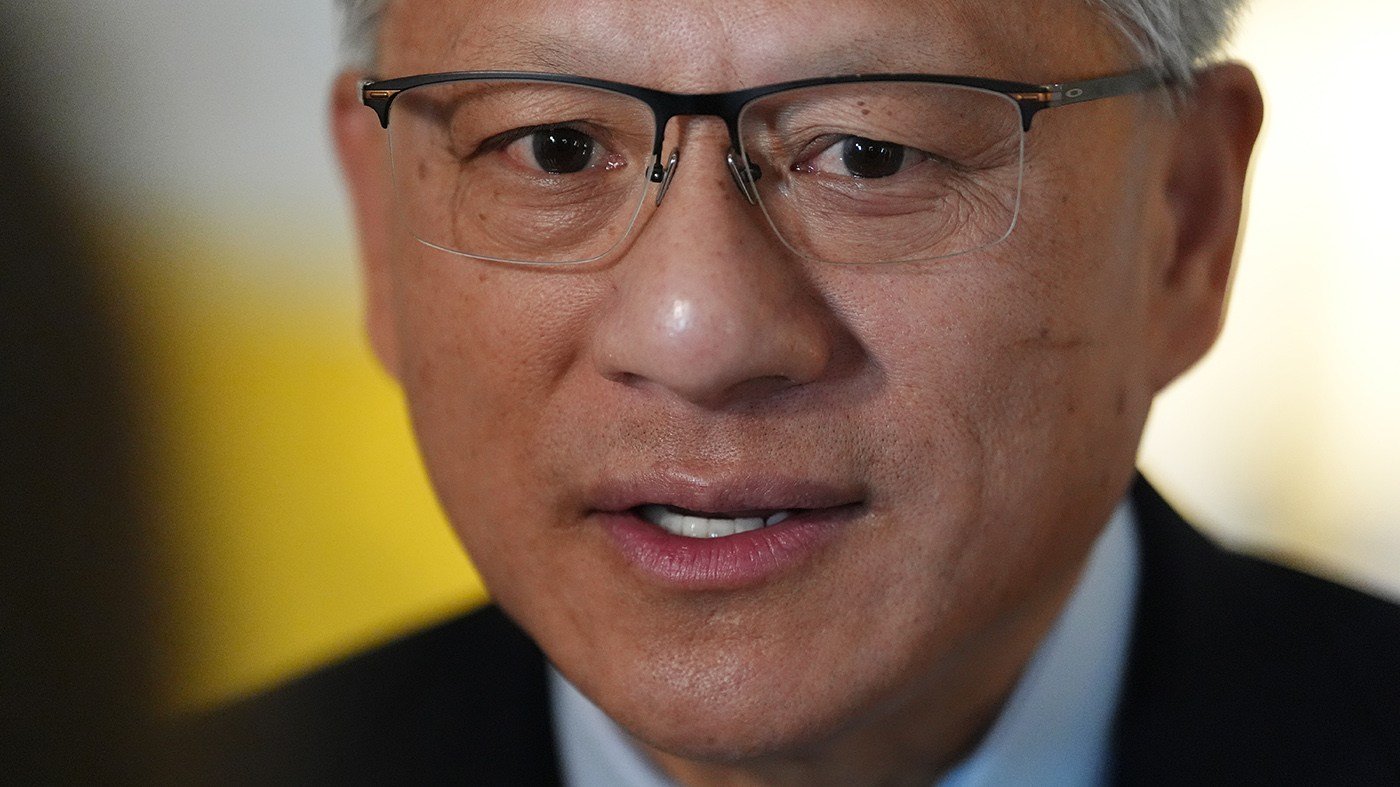
Jensen Huang returned to Nvidia's helm on Monday, ending a dramatic two-week saga that saw the board initially resist his reinstatement, only to capitulate under intense pressure from the White House, Silicon Valley heavyweights, and a jittery Wall Street. The unanimous vote to restore Huang as CEO and president came just days after the board told investors it was not considering his return, leaving many questioning the independence of the decision.
The board's reversal followed a cascade of events triggered by Huang's resignation earlier this month amid allegations of an affair with a suspected Chinese spy, Alice Huang. The scandal, which raised national security concerns, prompted an independent investigation and a stock slide that erased billions in market value. But as the fallout intensified, a coalition of tech leaders, including Elon Musk, Travis Kalanick, and Tim Sweeney, signed an open letter with over 170,000 signatures urging Huang's return. Former White House AI czar David Sacks also publicly dismissed the spy narrative, casting doubt on the allegations.
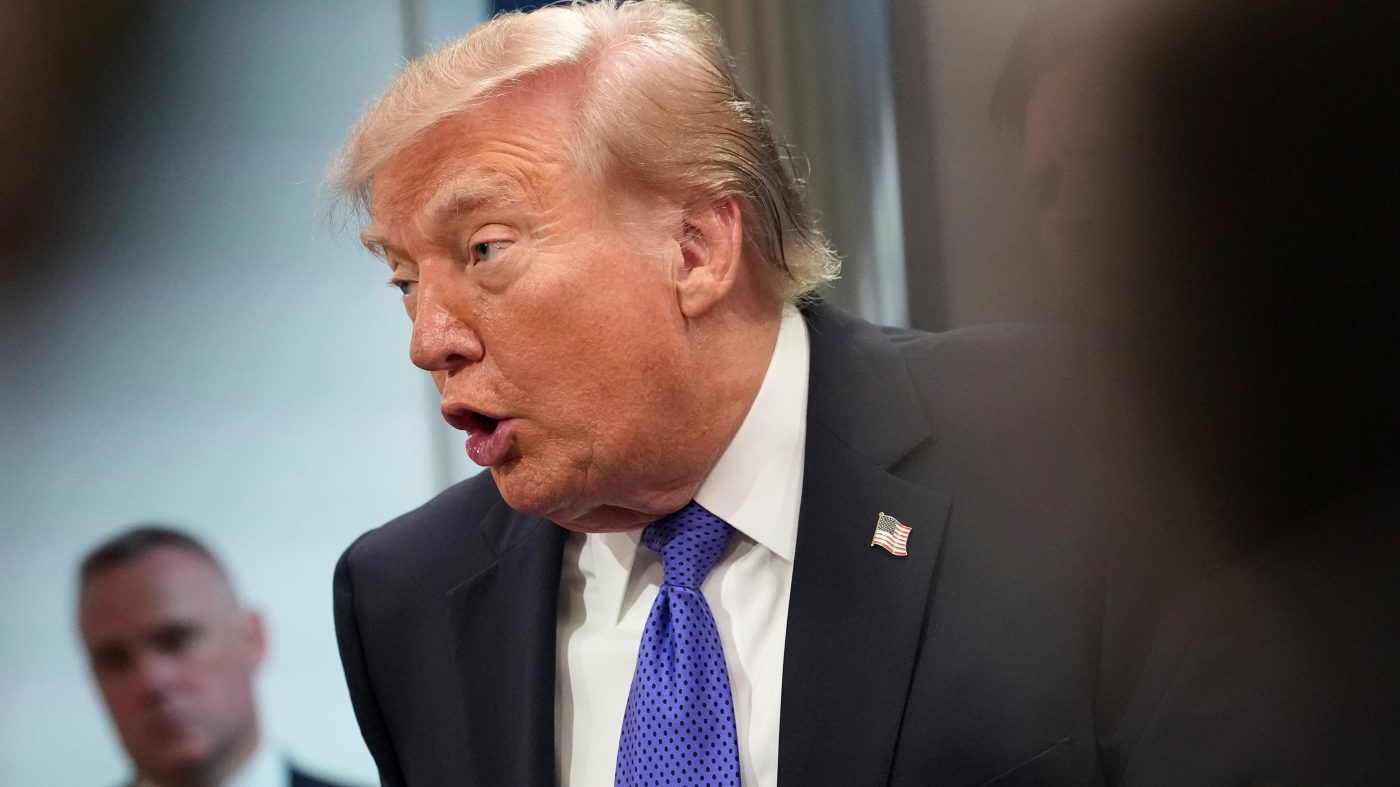
President Trump claimed credit for the turnaround, telling CNBC on Monday that he spoke to the board directly and indirectly, saying, "I felt very strongly about it. And I felt more strongly as I saw what was happening with the company, because that was to me, a very important part of our country." Vice President Vance, known for his deep ties to Silicon Valley, was also personally involved in the push, according to a source familiar with the matter.
The market reacted with euphoria. Nvidia's stock surged more than 30 percent on Monday, lifting the Nasdaq and S&P 500. The rally came after a week of turmoil that saw Nvidia hit a 52-week low of $125.53, amid fears that the company's leadership vacuum could derail the AI boom. Analysts warned that Huang's departure was not just a corporate crisis but a systemic risk to the tech sector and the broader economy.
"This underscores that enough people believe that our economy and national security are not just dependent on one company, but on one man," said Aya Ibrahim, a senior fellow at the AI Now Institute and former White House adviser. The sentiment echoed across Wall Street, where experts like Brad Gastwirth of Circular Technology argued that no other executive could replicate Huang's vision for AI.
Tech analyst Dan Ives suggested the board reversed course because "the alternative, a founder-less Nvidia at the start of the Rubin cycle with a CEO search running into next year, was the bigger risk to shareholders." He added, "At the end of the day despite this Jensen saga the Board knew it had no choice but to bring him back and for the US technology sector this was the move it had to make." However, Ives maintained his price target, citing the ongoing independent committee investigation into Huang's conduct.
Not everyone is celebrating. The decision has sparked bipartisan fury and probes in Congress, with Democrats vowing a full investigation and Republicans demanding answers about the White House's role. Senator Schumer has pledged to examine the circumstances, while GOP lawmakers are seeking testimony on whether the administration pressured the board improperly. The episode raises serious questions about board independence and the intersection of politics and corporate governance.
Trump, when asked if the market sell-off influenced his decision, said, "Probably so, but the biggest impact was long term." He added that he is no longer concerned "because we have one of our great stars back in play." But as Huang resumes his role, the lingering security concerns and the political fallout ensure that this story is far from over.