More than a dozen Senate Republicans have sent a letter to President Trump urging him not to back any legislation that would postpone the upcoming Dec. 11 deadline that would effectively outlaw intoxicating hemp products. The lawmakers, led by Sens. Ted Budd (R-N.C.) and Pete Ricketts (R-Neb.), argue that Congress should close the so-called "hemp loophole" once and for all.
In the letter, dated Friday, the 14 GOP senators framed the issue as a stark choice: "stand with American families who don't want candy-flavored drugs sold in gas stations or with the cartel who profits from addiction and devastation." They added, "There can be no last-minute 'framework' that keeps these drugs on store shelves."

The push comes as the Trump administration faces pressure from both sides of the debate. Last year, Trump signed a ban on intoxicating hemp as part of a broader spending bill that ended a record-long government shutdown. That ban was originally set to take effect Nov. 11, but the administration inserted a one-month delay into the August funding legislation—reportedly at the request of former White House chief of staff Susie Wiles, who was ousted earlier this month.
An amendment by Budd and Ricketts to strip that delay failed to gain traction, and the final bill passed without it. Now, with the delay set to expire Dec. 11, the original ban would automatically go into effect unless Congress intervenes.
The senators reminded Trump that his administration had previously stated there would be no further extensions. "We ask that you hold to that commitment," they wrote. They also urged him to reject any federal framework that would regulate intoxicating hemp rather than ban it outright.
Their warning comes as a bipartisan bill introduced last week by Sens. Tim Sheehy (R-Mont.) and Amy Klobuchar (D-Minn.) seeks to do just that—create a regulatory structure. The proposal would, among other things, bar sales of consumable hemp to those under 21, raise the legal THC threshold, and prohibit "gas station" marijuana products derived from hemp.
The senators argue that such a framework would be "a permanent legal license for an industry that has spent years marketing drugs to kids," and would create "an additional federal sanctioned THC market that operates with no rules and no ability for states to regulate on their own."
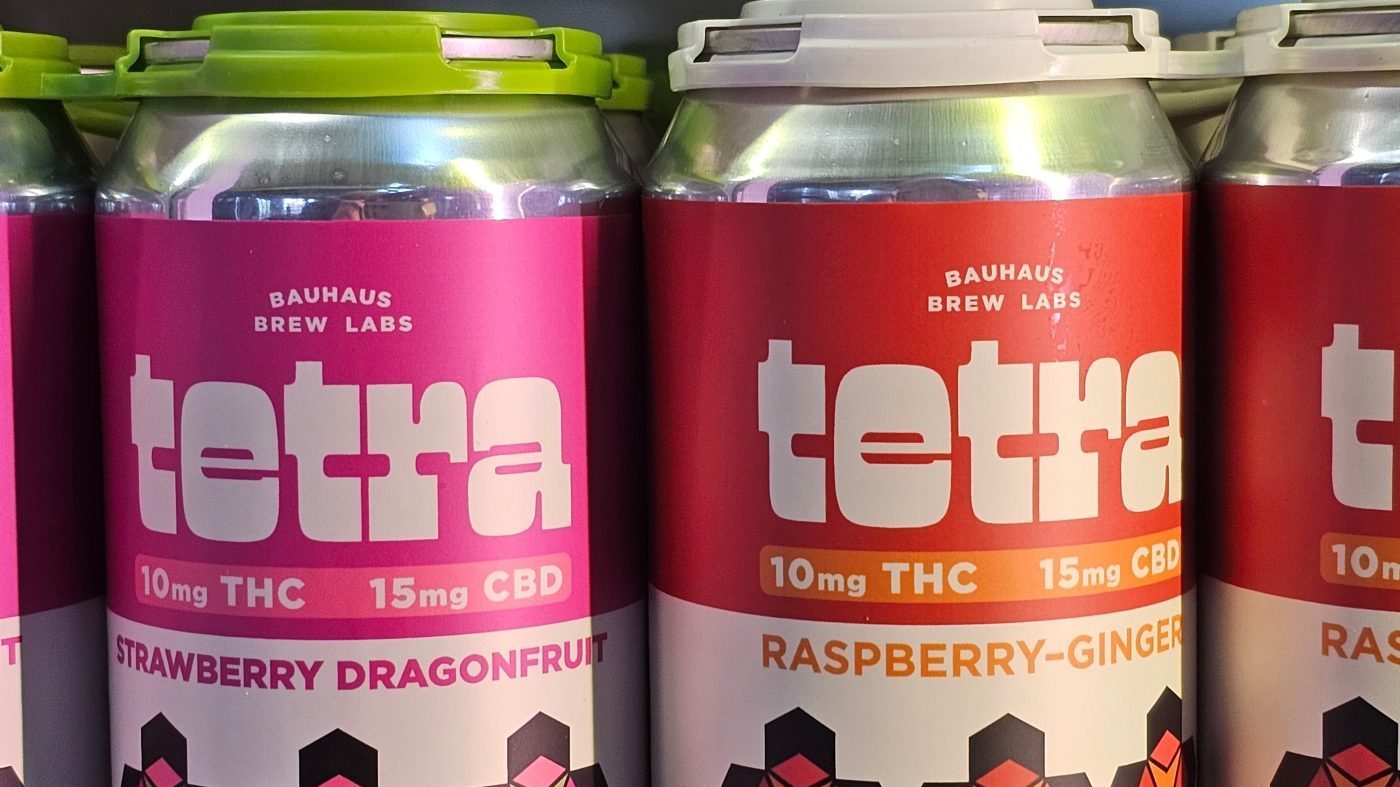
The issue stems from the 2018 Farm Bill, which removed hemp from the controlled substances list. But the law's broad definition and lack of subsequent federal regulation created a loophole that allowed companies to extract and synthesize high levels of THC—the psychoactive compound in marijuana. These products, including gummies and drinks, have exploded in popularity and are now sold in gas stations, convenience stores, and even major retailers like Target, often without consistent age restrictions or labeling, and frequently resembling candy.
The new definition, passed last year, limits legal hemp products to 0.4 milligrams per container of total THC, or other similar cannabinoids—far less than most popular products contain. That threshold would effectively remove most intoxicating hemp products from the market.
The senators' letter adds to the mounting pressure on Trump as the deadline approaches. They have also pointed to the broader political context, noting that the administration's credibility is on the line. "Your Administration made clear at the time that there would be no further extensions," they wrote. "We ask that you hold to that commitment."
The White House has not yet responded publicly to the letter. The debate over hemp regulation continues to divide Republicans, with some favoring a strict ban and others, like Sheehy, advocating for a more nuanced regulatory approach. As the Dec. 11 deadline nears, the fate of the intoxicating hemp market hangs in the balance.