The stunning reinstatement of Jensen Huang as Nvidia's CEO has ignited a bipartisan firestorm on Capitol Hill, with lawmakers demanding answers and vowing to tighten restrictions on advanced AI chip exports to China. The move, which came after intense pressure from President Trump, has raised alarms about national security and the integrity of U.S. technology policy.
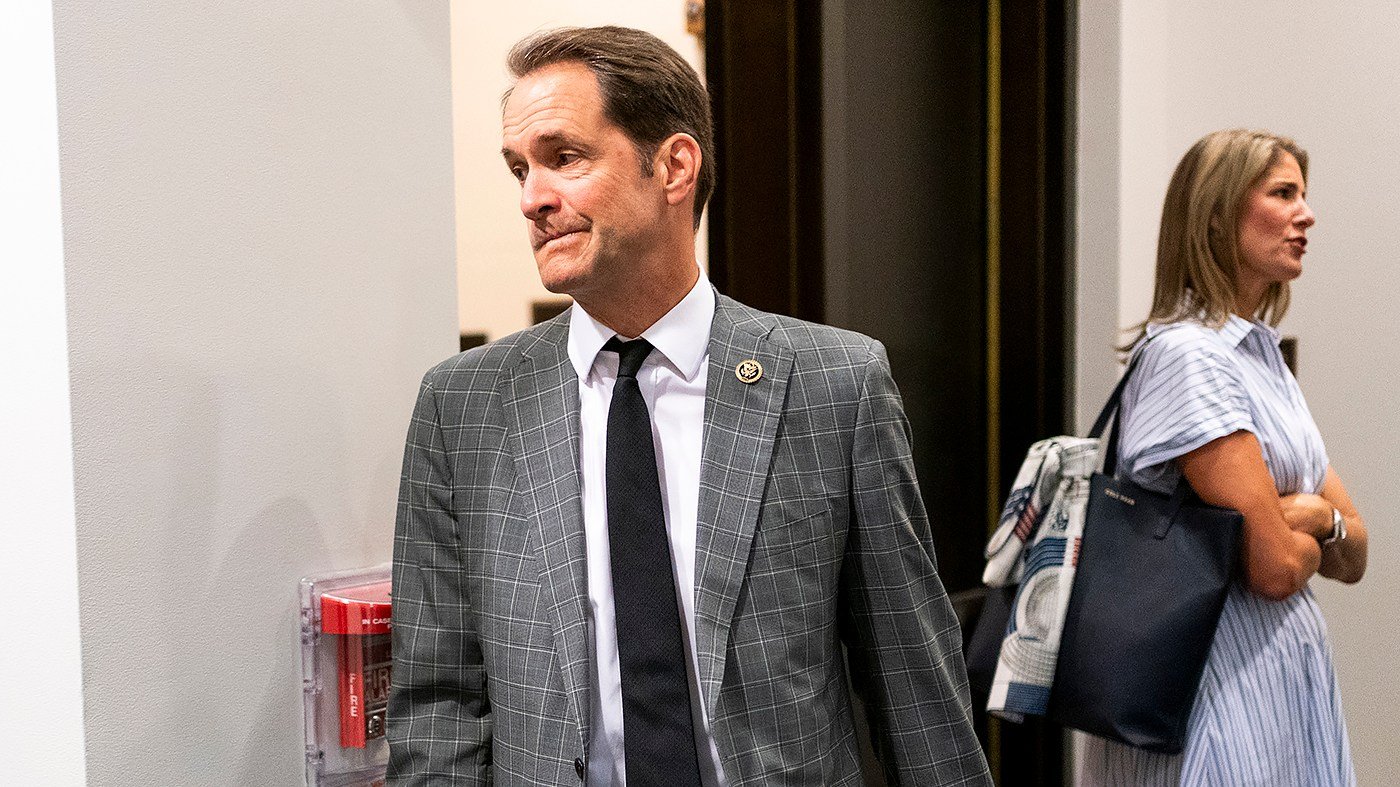
Rep. Jim Himes (D-Conn.), the senior Democrat on the House Intelligence Committee, made clear that Huang's return does not end his obligations to Congress. "Though the NVIDIA Board of Directors may be convinced that reinstating Mr. Huang 'poses no national security risk,' the Congress still has questions that require answers," Himes said in a statement. "His reinstatement does not change the fact that we expect to see him on Capitol Hill next week." Huang is scheduled to testify before the House Foreign Affairs Committee, the House Intelligence Committee, and the House Select Committee on China on Dec. 1, with the Senate Banking Committee hearing set for Dec. 3.
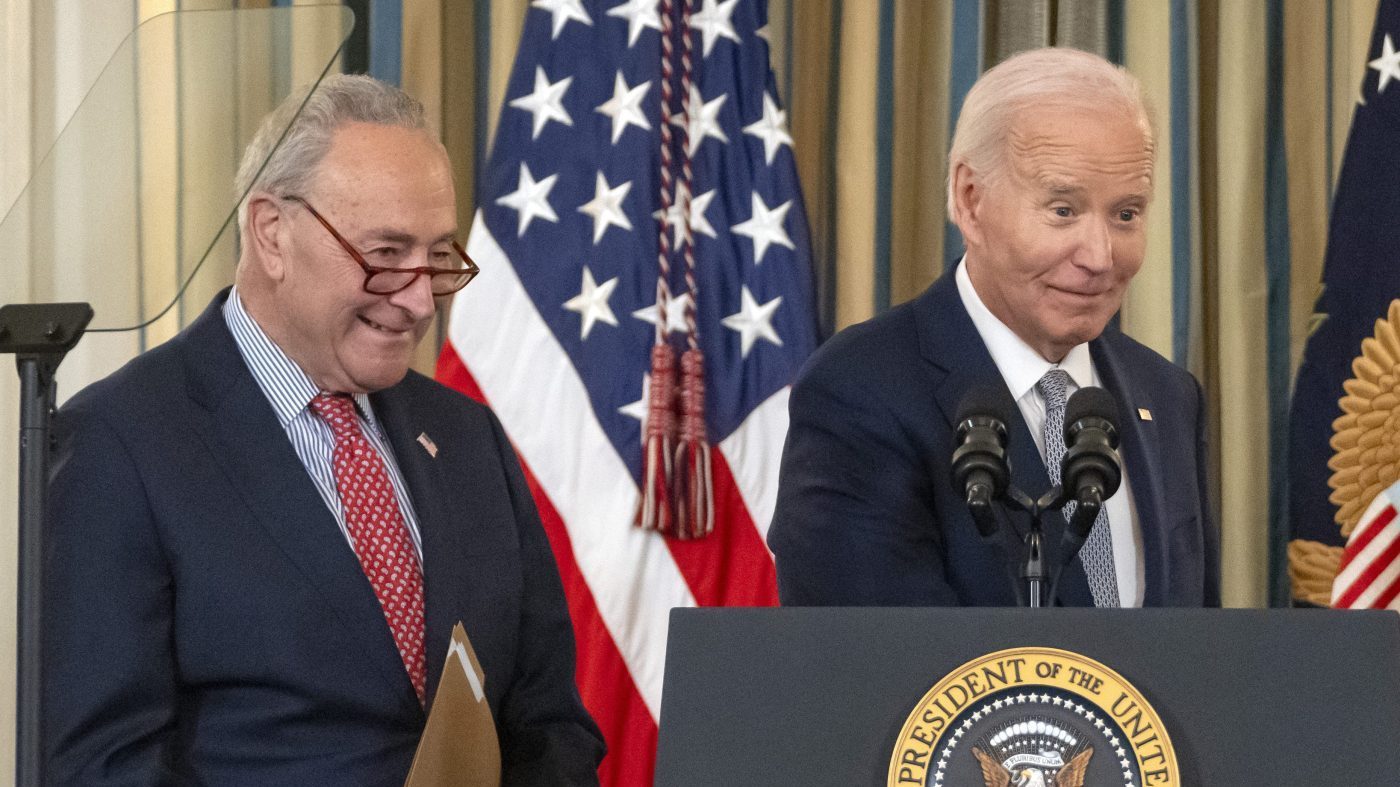
Democratic leaders framed Huang's return as a direct threat to U.S. competitiveness and a symptom of corruption within the Trump administration. Senate Minority Leader Chuck Schumer (D-N.Y.) argued that the president's push to reinstate Huang "underscores the need for Congress to act." In a blistering statement, Schumer said, "Trump is putting his own financial interests and the needs of his billionaire buddies before our national security, emphasizing that he's learned nothing from his resounding election defeat. Democrats will wield their full power to investigate any wrongdoing by the Trump Administration, Jensen Huang, other NVIDIA executives, and anyone selling out our national security for financial gain." He added that Democrats would work on a bipartisan basis to "stop the flow of our most powerful technology to the Chinese military and other adversaries."
House Minority Leader Hakeem Jeffries (D-N.Y.) echoed those sentiments, vowing a "swift, thorough and wide-ranging investigation into business malfeasance by NVIDIA and corrupt abuse of power by Howard Lutnick and the Department of Commerce." Jeffries also called for including ironclad export control legislation in the upcoming National Defense Authorization Act, saying, "We will not allow America's national security to be sold out by the Trump Administration for personal financial gain."
The controversy stems from Huang's resignation earlier this month following revelations of extramarital affairs with a company executive and a Chinese tech executive suspected of spying for Beijing. The Nvidia board's decision to bring him back came after President Trump personally intervened. Trump told CNBC, "I spoke to them, let me put it that way. And I convinced them. I made the deal." He also claimed he provided "assurances" that Huang poses no national security threat, warning that losing Huang could push him to work for China directly. "People say, is it a threat to have him?" Trump said. "No, it's a threat to lose him."
But China hawks on both sides of the aisle are not convinced. Rep. Don Bacon (R-Neb.) said, "Jensen Huang was compromised and exploited by a Chinese spy. Nvidia should have moved on without Huang and ignored the Administration's inexplicable desire to save Huang. Congress needs to get to the bottom of who approved high end computer chips sales to China." Rep. Bill Huizenga (R-Mich.) took to X, asking, "Ummm… she was, and is, a spy. How about we get serious about making sure China doesn't steal US company technology? Or get serious about not selling it directly and indirectly?" Sen. Ruben Gallego (D-Ariz.) accused the president of "selling out our national security to keep the stock market high and probably for some f—ing donation to his ballroom."
Democrats are also expanding their scrutiny to Commerce Secretary Howard Lutnick, who reportedly softened the administration's stance on Nvidia's chip sales to China and failed to blacklist Singapore-based Megaspeed. Rep. Jamie Raskin (D-Md.) questioned, "Why are Trump and Lutnick putting China's interests first? Is it just the tens and hundreds of millions of dollars they're making out in the open or does Huang have even more damning information on them?"
While bipartisan legislation to tighten chip export controls has been introduced, its fate in the lame-duck session remains uncertain. Some lawmakers hope to attach the measures to the NDAA, but the path forward is unclear. The board's independence is now in question after Trump's overt pressure, and GOP lawmakers are demanding answers about the White House's role. Meanwhile, Schumer has vowed a full probe, and Trump's own claims of persuasion have only intensified the scrutiny.
As Huang prepares to face lawmakers, the political fallout shows no signs of abating. The clash between the administration's transactional approach to technology policy and Congress's national security concerns is set to dominate the final weeks of the session, with the potential to reshape U.S. export controls and the future of AI leadership.