A Los Angeles jury has convicted Jonathan Rinderknecht, 29, of arson for deliberately setting the 2025 Palisades fire that destroyed thousands of homes and killed 12 people. The verdict, announced this week, closes a criminal case that prosecutors said was driven by the defendant's pathological hatred of the wealthy.
Rinderknecht, who worked as an Uber driver, reportedly ranted to passengers about his anger before setting the blaze. His internet search history revealed admiration for Luigi Mangione, the left-wing terrorist who murdered a healthcare CEO and has drawn disturbing sympathy from some corners. Prosecutors argued that Rinderknecht viewed the wealthy as societal parasites and wanted to strike back.
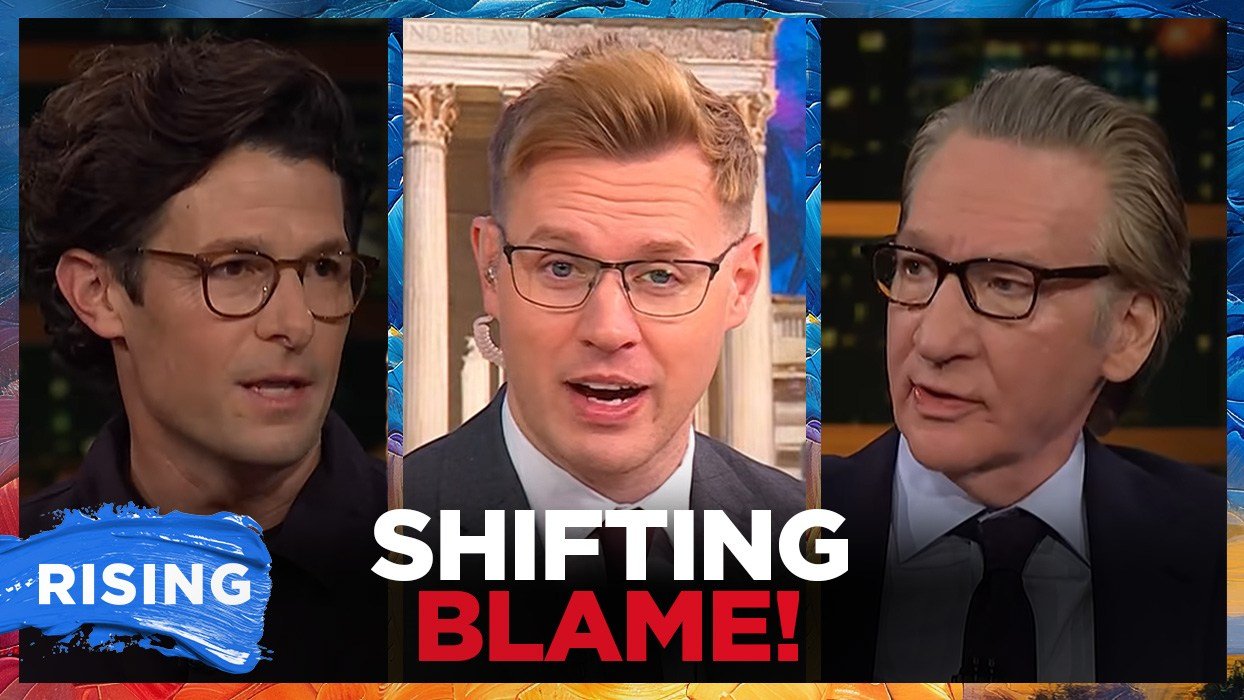
The conviction, however, has not ended the political debate over who bears responsibility for the catastrophe. On this weekend's episode of Real Time with Bill Maher, MSNBC's Jacob Soboroff stunned the host by suggesting that Elon Musk and his Department of Government Efficiency (DOGE) were the real culprits. The claim, which Maher dismissed as blame-shifting, has ignited a fierce argument about accountability.
Conservatives and centrists have seized on the verdict to argue that the left's demonization of billionaires like Musk is not just bad rhetoric but can inspire real-world violence. Rinderknecht's case, they say, is a stark example of how anti-wealth ideology can metastasize into criminal action. The conviction of the ex-Uber driver has become a rallying point for those who warn against scapegoating the rich.
But progressives, including Soboroff, argue that systemic factors like climate change and government efficiency failures deserve scrutiny. They point to the growing frequency of extreme weather events and question whether budget cuts or mismanagement at agencies like the Forest Service have weakened wildfire preparedness. Yet, as Maher noted, the evidence does not support these claims. U.S. Forest Service Chief Tom Schultz testified in July that the agency's wildfire response capacity remains as strong as ever.
The idea that DOGE is responsible for the Palisades fire is, as Maher put it, "even more of a conspiracy theory." There is no evidence that Musk or his team fired firefighters or reduced emergency response funding. The fire was the act of a single, deranged individual who admired a terrorist and hated the wealthy. Blaming DOGE or climate change, critics argue, is a convenient way to avoid confronting the uncomfortable truth about ideological extremism.
Robby Soave, a senior editor at Reason Magazine and co-host of The Hill's Rising, wrote in a column that the left's tendency to blame all societal problems on people like Musk is a dangerous and false narrative. He noted that while climate change is real, the claim that it is making extreme weather more deadly is not supported by data; in fact, death rates from natural disasters have fallen dramatically over the past century.
As the political fallout continues, the Rinderknecht case has become a flashpoint in the broader culture war over wealth, inequality, and accountability. The verdict itself is a clear-cut legal outcome, but the battle over who to blame is far from over. For now, the courts have spoken: Jonathan Rinderknecht started the fire, and he will be punished accordingly.