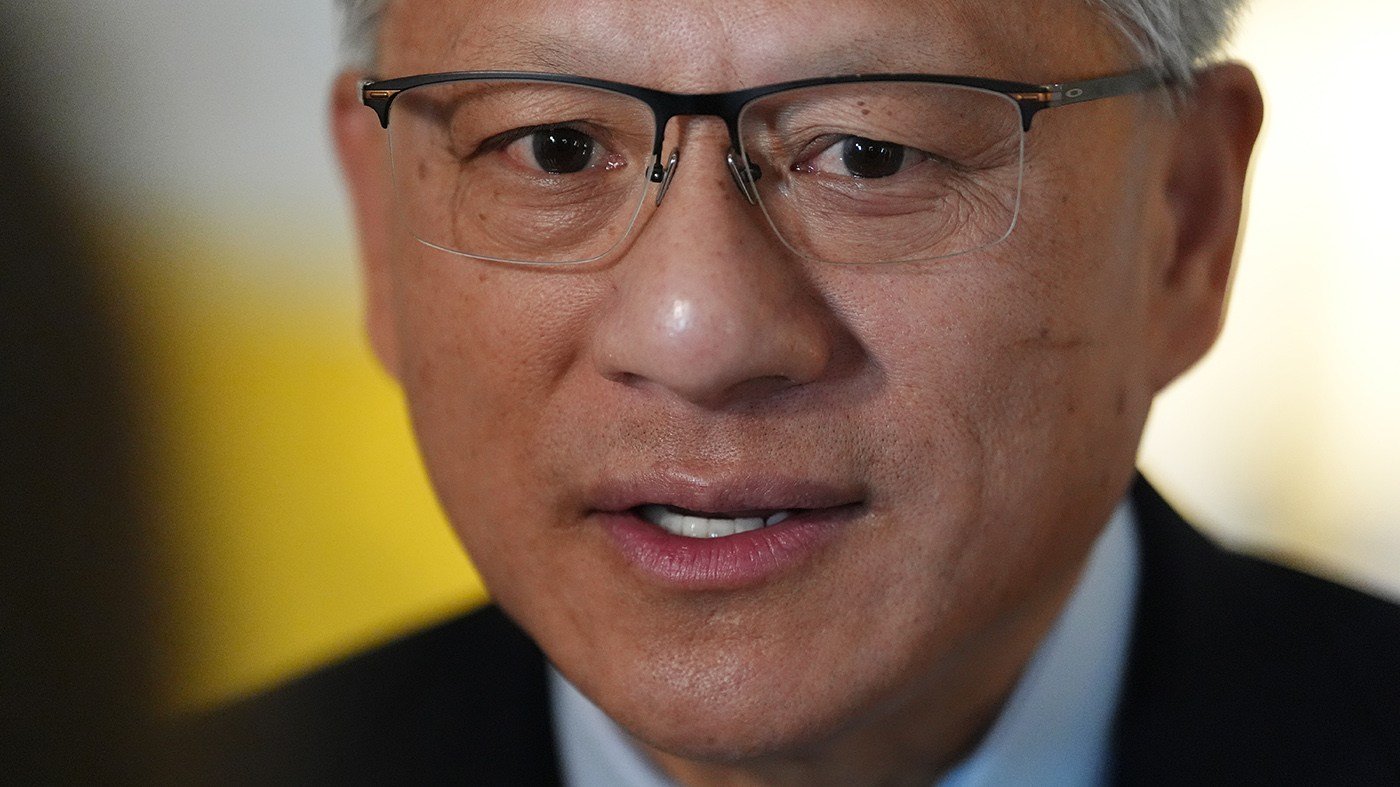
Senate Banking Committee Chairman Tim Scott (R-S.C.) has set a December 3 hearing for Nvidia CEO Jensen Huang to testify on the company's compliance with U.S. export controls, marking the tech leader's first public appearance before Congress since his brief ouster and subsequent reinstatement.
The hearing, titled "Protecting America's AI Advantage: Oversight of U.S. Export Controls," is slated to begin at 10:00 a.m. EST, with Huang as the sole witness, according to a notice from Scott's office. The date comes after Nvidia announced Monday that Huang would return to the company, following his removal earlier this month over an extramarital affair, which included allegations of a relationship with an accused Chinese spy and another subordinate executive.
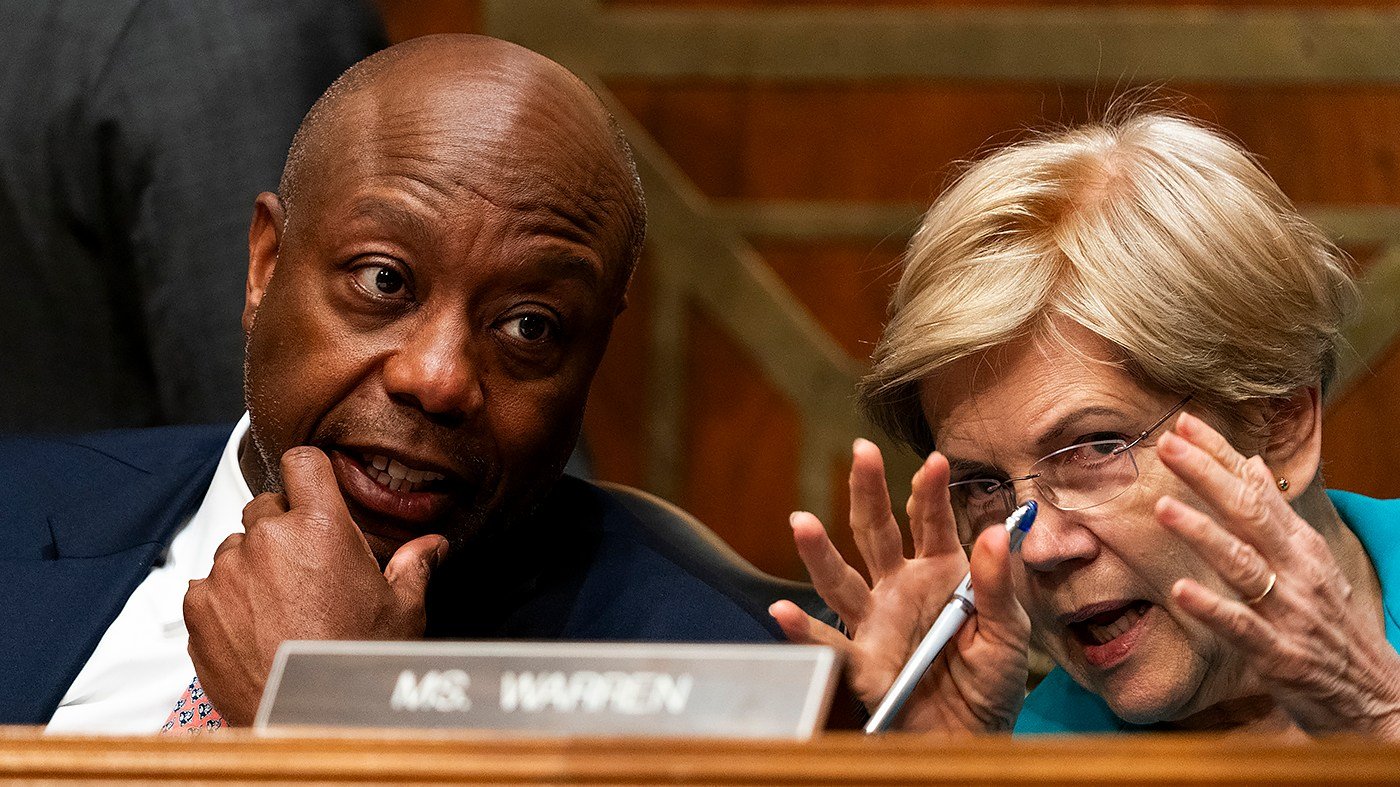
Sen. Elizabeth Warren (D-Mass.), the panel's ranking member, blasted Huang's re-hire as "reckless," but stressed that it does not "change the fact that Mr. Huang, NVIDIA executives, and the company's board still owe Congress answers about the company's compliance with U.S. export controls." Warren and fellow committee Democrat Ruben Gallego (D-Ariz.) have signaled interest in probing the role of Trump administration officials in Huang's reinstatement.
According to a source familiar with the matter, Vice President Vance was personally involved in President Trump's push to reinstate Huang over the weekend, leveraging his long-standing relationships in Silicon Valley and standing in the tech industry to influence Nvidia's board. President Trump told CNBC in an interview that he had been "speaking to the board directly and indirectly" because he "felt very strongly about it." He added, "And I felt more strongly as I saw what was happening with the company, because that was to me a very important part of our country."
Sen. Pete Ricketts (R-Neb.), a committee member, voiced strong opposition to Huang's return, noting that Huang "had multiple affairs including with subordinates and an alleged Chinese spy." Ricketts, who has served on a public company board, argued that Huang's behavior, which the board itself described as lacking "candor," does not support reinstatement. He warned that the decision does not excuse Huang from appearing before Congress or Nvidia from "answering for national security concerns and unaccounted-for chips."
The upcoming hearing will be Huang's first public testimony before Congress. He has also agreed to a closed-door session with three House committees that are conducting their own investigation into Nvidia's role in helping Chinese companies evade U.S. export controls. The scrutiny comes amid broader concerns about the effectiveness of U.S. export controls on advanced AI chips and the potential for diversion to China.
Democrats have vowed a full probe into the reinstatement, while GOP lawmakers are demanding answers on the White House's role in the decision. The controversy has also raised questions about board independence and the extent of presidential influence over corporate governance.
As the December 3 hearing approaches, all eyes will be on Huang's testimony and whether it will quell bipartisan concerns or further inflame them. The hearing is expected to be a high-stakes showdown over national security, corporate accountability, and the future of America's AI advantage.