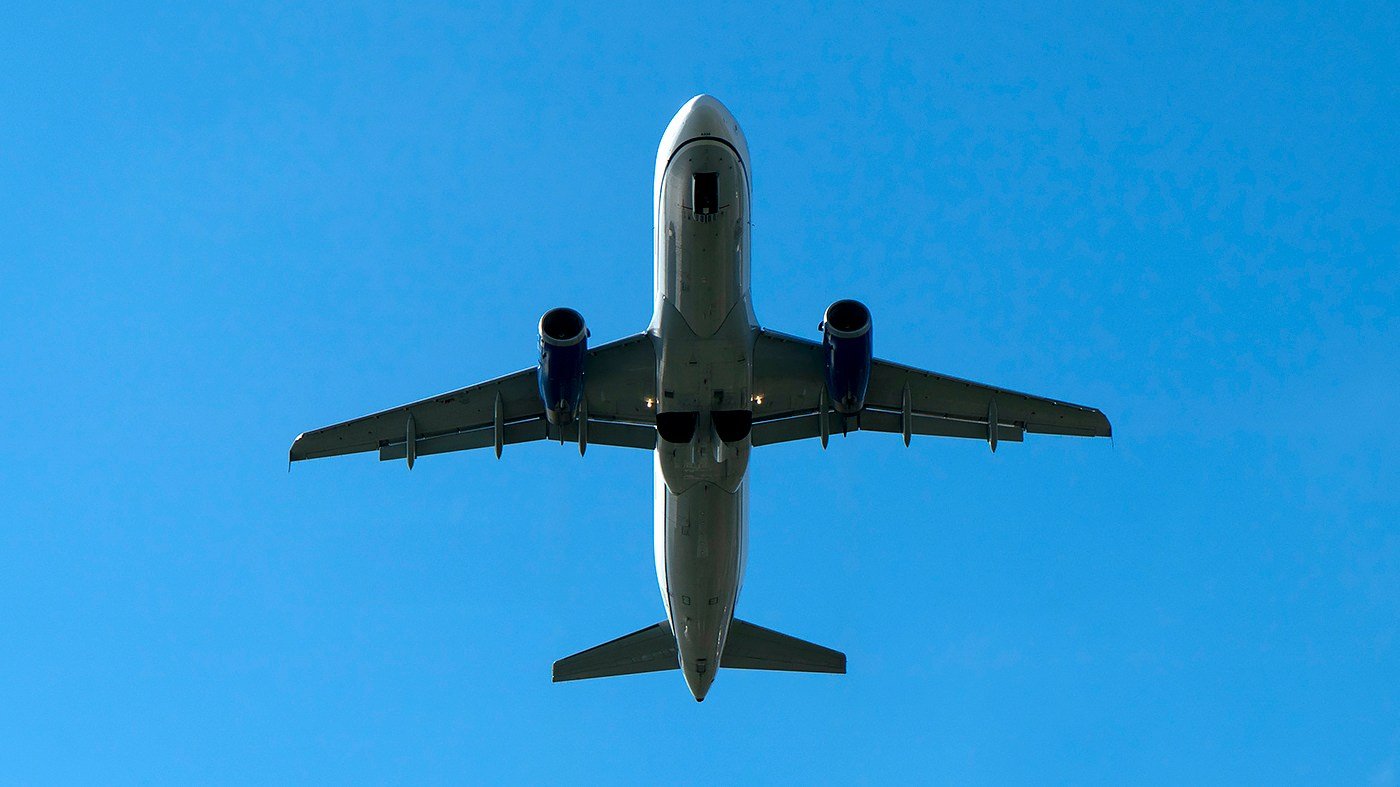
The U.S. Army has formally approached federal regulators about resuming helicopter training flights in the vicinity of Ronald Reagan Washington National Airport, a move that has reignited safety concerns among lawmakers less than two years after a catastrophic midair collision over the Potomac River claimed 67 lives.
Representative Don Beyer, a Virginia Democrat whose district encompasses the airport, said Monday that Army officials briefed his office and confirmed they had reached out to the Federal Aviation Administration (FAA) to restart the flights. The Army is currently awaiting the agency's response.
“Army officials assured my office that no flights will take place unless they are approved by the FAA,” Beyer wrote on the social platform X. “While Army officials further committed to implementing all NTSB safety recommendations, it is clear that this work is not complete.”
Beyer stressed that safety must come first, adding, “The path forward must prioritize safety, and that requires full implementation of the NTSB’s recommendations before training flights resume.”
According to an Army spokesperson who spoke to Politico on Monday, the service hopes to restart the training missions as early as the second week of December. The Army also briefed staff members from the Senate Commerce and Armed Services committees last week, the outlet reported.
The FAA, however, told Politico on Friday that it had not yet received a formal request to resume the flights. The agency reiterated Monday that Army operations would require its explicit approval before any training could proceed.
Federal restrictions on helicopter traffic near Reagan National were imposed after an Army Black Hawk collided with an American Airlines regional jet in January 2025, killing everyone aboard both aircraft. The FAA suspended military helicopter training in the area in May of that year following a separate incident in which another Black Hawk flew dangerously close to the airport, forcing air traffic controllers to divert commercial flights.
Transportation Secretary Sean Duffy called that incident “unacceptable” and vowed to press Pentagon officials on “why the hell our rules were disregarded.”
In the aftermath, lawmakers reached a tentative agreement on aviation safety legislation designed to prevent another disaster. A central element of the negotiations involves requiring military aircraft to use surveillance technology that would give pilots better awareness of nearby planes.
The Army’s own investigation into the fatal collision produced more than 30 recommendations, including changes to air traffic control procedures and improved coordination with the FAA. Critics argue that these measures must be fully enacted before any resumption of training flights is even considered.
As the FAA reviews the Army’s request, the debate over balancing military readiness with civilian aviation safety continues to intensify. For now, the fate of the training flights rests on the agency’s decision, with lawmakers closely watching.