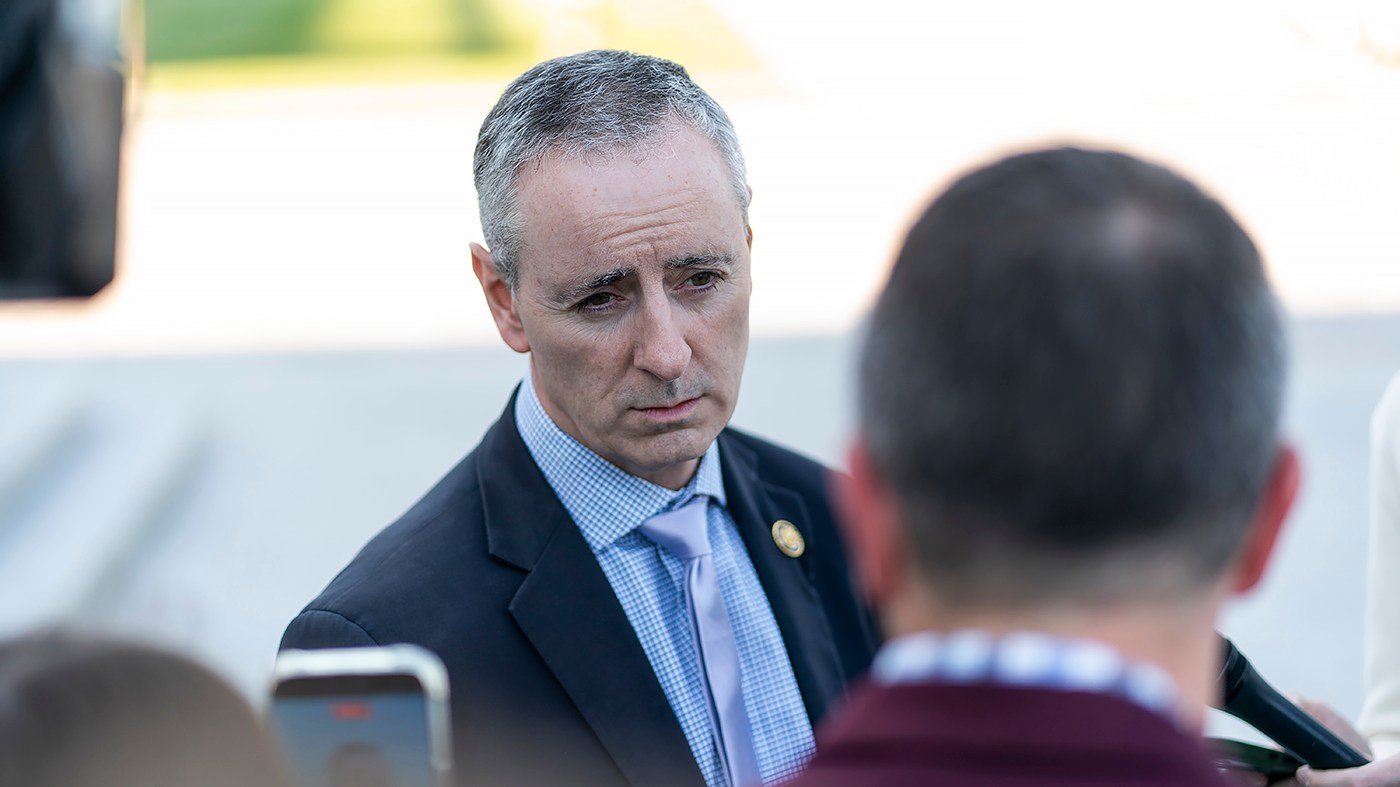
Rep. Brian Fitzpatrick (R-Pa.) announced Saturday that he will introduce bipartisan legislation to prohibit any U.S. purchases of Russian oil, a direct challenge to President Trump’s recent decision to allow limited Russian diesel imports amid global fuel shortages.
In a social media post, Fitzpatrick said the bill—dubbed the “Ronald Reagan Peace Through Strength Act”—will block “any and all purchases of Russian oil.” He added that he will use a discharge petition to force a floor vote and predicted it would pass “overwhelmingly.” The Democratic sponsors of the bill have not yet been identified.

Rep. Don Bacon (R-Neb.) quickly signed on as an original cosponsor, writing on social media that “Congress must make a stand.” The move underscores growing bipartisan unease with the Trump administration’s approach to Russia.
The controversy stems from a deal announced Friday that permits Russia to supply 300,000 tons of diesel to the U.S. and global markets. Russian President Vladimir Putin confirmed Moscow’s readiness to supply oil and petroleum products, according to Russian state media. The arrangement, which Trump framed as a way to address high gas prices, has drawn sharp criticism from both parties.
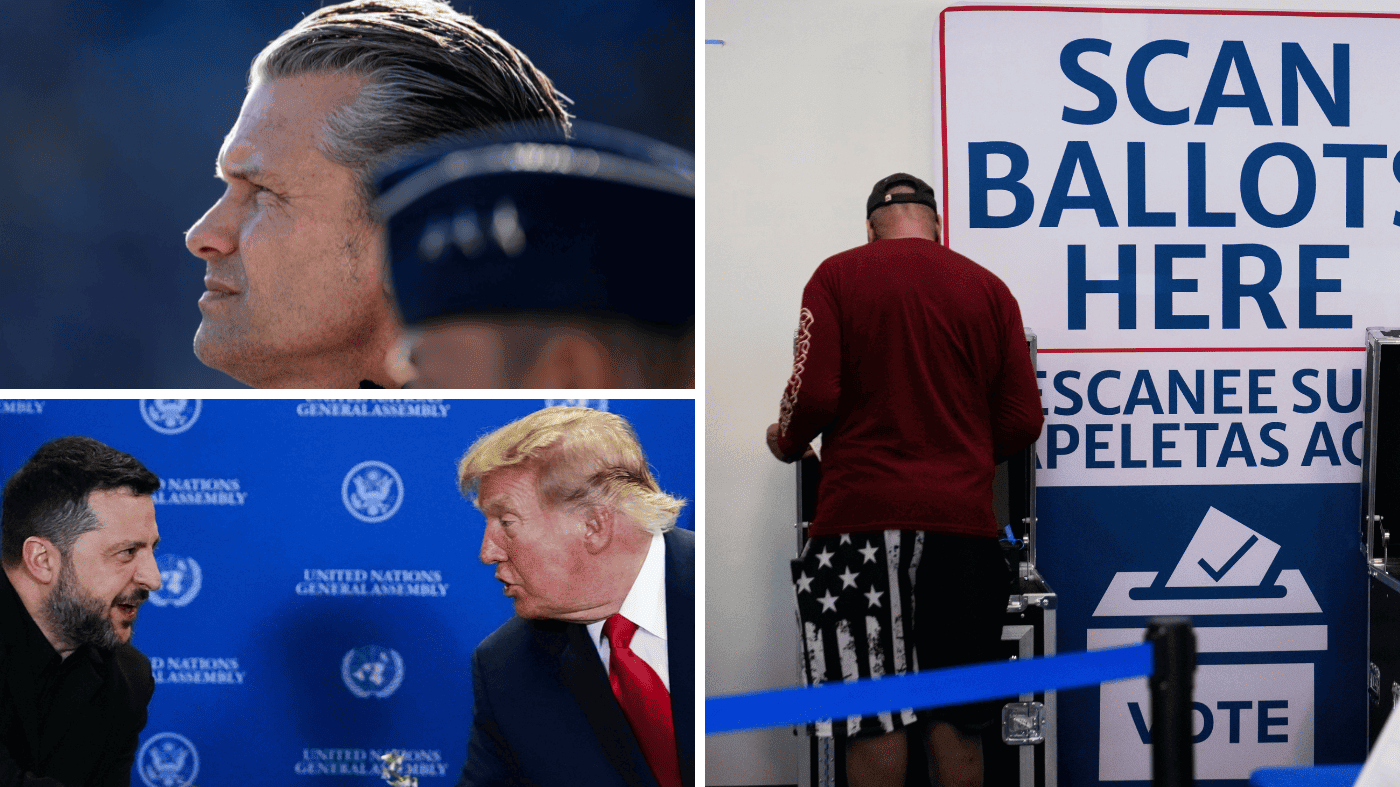
Ukrainian President Volodymyr Zelensky warned Saturday that the deal signals to Russia that “it could simply keep attacking” his country. Trump fired back, telling reporters outside the White House that Zelensky “could have settled this war many times” but “chose not to,” adding, “I suggest they get a new leader who can make a deal.” The exchange marked a further deterioration in relations between the two leaders, as reported in Trump’s latest clash with Zelensky.
Rep. Gabe Amo (D-R.I.), a member of the House Foreign Affairs Committee, criticized the deal as contradictory. “After signing a law to ramp up sanctions on Russia, Trump is paying Putin for oil to deal with the high gas prices caused by his choice of war with Iran? That’s not punishing Putin, that’s profit,” Amo wrote, adding, “Make it make sense.”
The Trump administration has defended the move as necessary to stabilize energy markets, but it has reignited a debate over the effectiveness of sanctions. In 2022, Congress passed a bill banning Russian oil imports and authorizing additional sanctions, though it included a presidential exception for energy already purchased or if importation is deemed in the national interest. Fitzpatrick’s bill would close that loophole.
As the legislation gains traction, it remains to be seen whether it can overcome a potential veto or Senate hurdles. The White House has not commented on the bill. For now, Fitzpatrick’s effort represents a significant bipartisan pushback against Trump’s Russia policy, with implications for the broader sanctions regime and the war in Ukraine.