A growing number of Senate Republicans are publicly opposing President Trump's surprise agreement with Russian President Vladimir Putin to import 2.2 million metric tons of Russian diesel into the U.S. market. At least eight GOP senators have signed a bipartisan letter urging Trump to cancel the deal, which they argue would provide Moscow with much-needed revenue while doing little to ease American fuel costs.
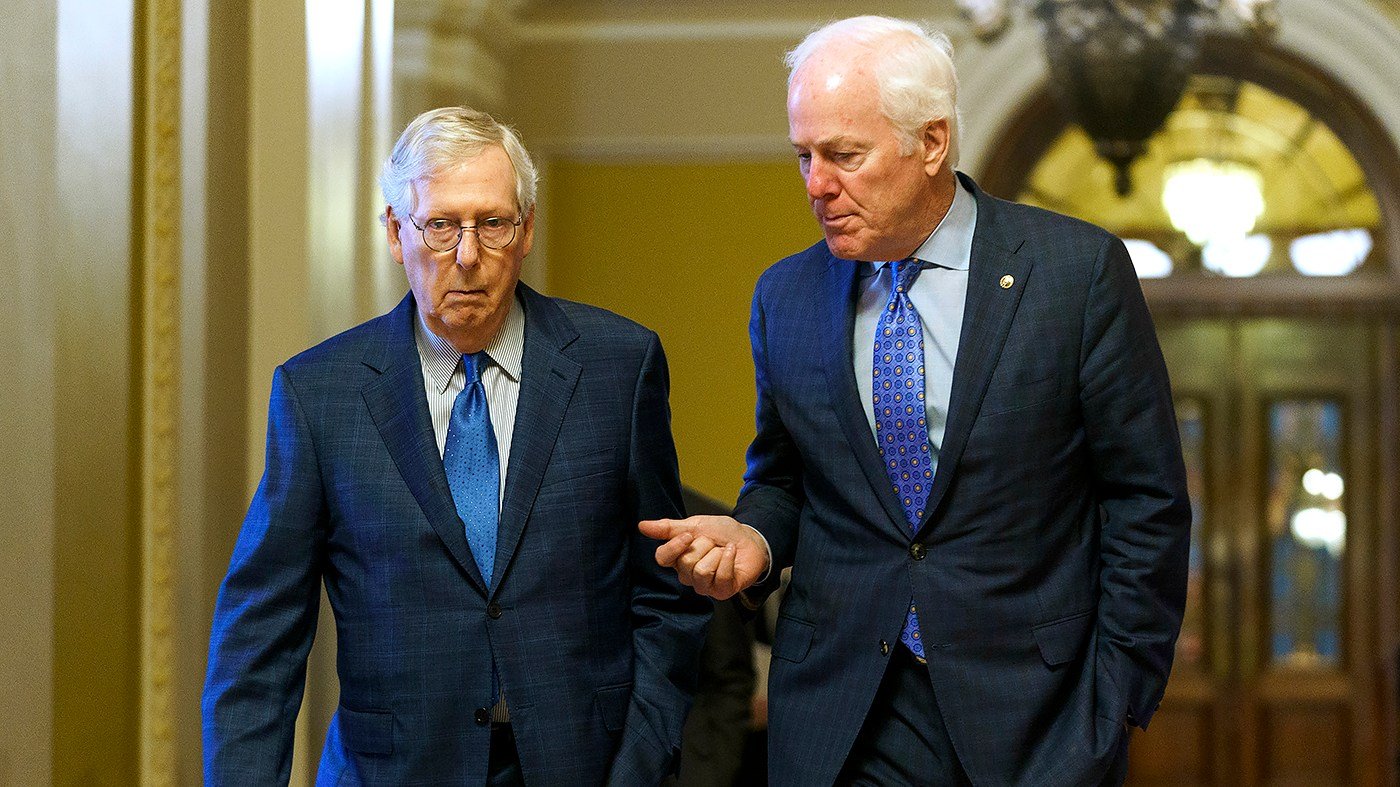
The letter, led by Senators Mitch McConnell (R-Ky.), John Cornyn (R-Texas), and Alan Armstrong (R-Okla.), calls the arrangement "a gift to our adversary and a betrayal of our allies." It also warns that lifting sanctions on Russian diesel "only provides Putin with more fuel to finance his war machine and enables Russia to continue its brutal attacks on Ukrainian civilians." The letter was also signed by GOP senators Thom Tillis (N.C.), Susan Collins (Maine), and Lisa Murkowski (Alaska), as well as Democrats Richard Blumenthal (Conn.), Jeanne Shaheen (N.H.), Dick Durbin (Ill.), Sheldon Whitehouse (R.I.), Jack Reed (R.I.), and Chris Coons (Del.).
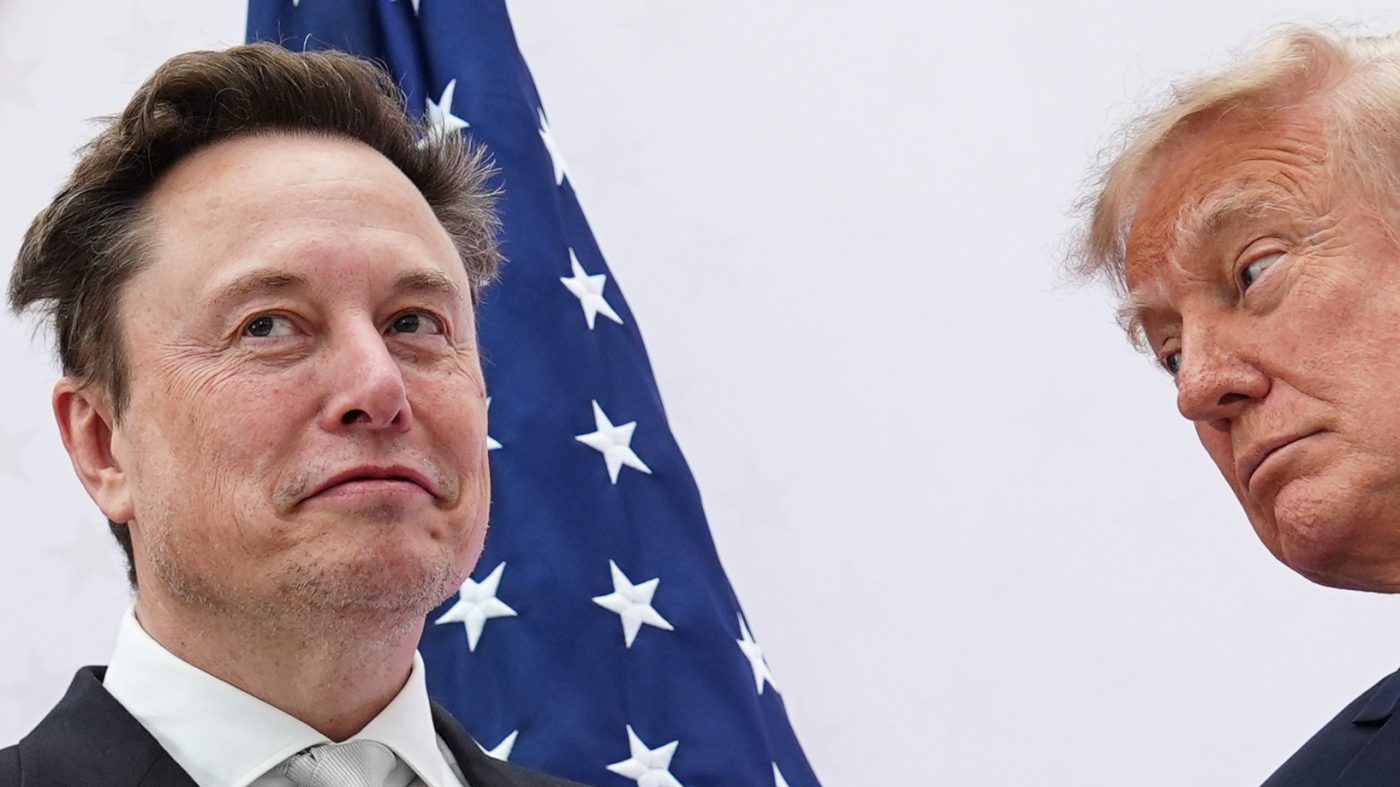
Trump announced the deal on Truth Social, claiming that the "highly successful discussion" with Putin would lead to rapidly falling diesel prices. However, Republican senators are skeptical, predicting the impact on the economy would be "negligible." Senate Armed Services Committee Chair Roger Wicker (R-Miss.) said at the Warsaw Security Forum that he was "not overly delighted" with the deal and doubted it would be consummated. He added, "I think there's a much better way in the near term to lower energy prices and also to provide some security."
Economic experts echo these doubts. Neale Mahoney, an economics professor at Stanford University, noted that the announced release of 2.2 million tons of diesel would supply less than a day's worth of U.S. domestic consumption. "The announced release of fuel is a drop in the bucket in terms of U.S. domestic demand," Mahoney said, adding that it may not even represent new supply on the global market. "Any energy economist would agree that it would have a negligible impact on the prices we face domestically," he said.
The deal comes as the national average diesel price stands at $6.28 per gallon, about 25 cents below the September high of $6.53. But a former senior Republican Senate aide said the political calculus is flawed: "The Russia diesel deal makes no sense politically. It won't bring down fuel prices before the midterms and only reminds voters that Trump hasn't ended the Ukraine war as he said he would on Day 1." The aide also blamed Senate Republicans for not pushing back earlier on Trump's decision to launch a conflict with Iran, which sent fuel prices soaring. "Senate Republicans have only themselves to blame for failing to ask questions back in February about the war and about who the hell convinced the president it was a good idea to go in there with no endgame," the source said.
Collins, Murkowski, Tillis, and Sen. John Curtis (R-Utah) issued a joint statement with Democratic colleagues on Sunday, reminding Trump that Congress "explicitly banned Russian energy imports in 2022 to prevent American dollars from financing Putin's brutal war against Ukraine." They argued the president's decision runs "directly counter" to that law because he "failed to consult with Congress or submit any explanation to justify its decision as required by statute."
Few Republicans are defending the deal publicly. One exception is Sen. Bill Hagerty (R-Tenn.), a Trump ally, who told reporters that the president is focused on energy and economic security. "I think that the president's got energy security and economic security front-of-mind right now. He's focused on Americans first," Hagerty said. When pressed on whether allowing an estimated $400 million in new revenue to flow to Russia is wise while Russian forces continue to strike Ukrainian infrastructure, Hagerty pointed to other sanctions that remain in place.
Ukrainian President Volodymyr Zelensky has accused Russia of violating a ceasefire by striking at least six energy targets across Ukraine on Monday. The deal has also drawn sharp criticism from foreign policy analysts, who note that Russia has provided Iran with satellite targeting data for strikes on U.S. forces, according to a June report by the Middle East Institute. The White House has not yet responded to requests for comment.