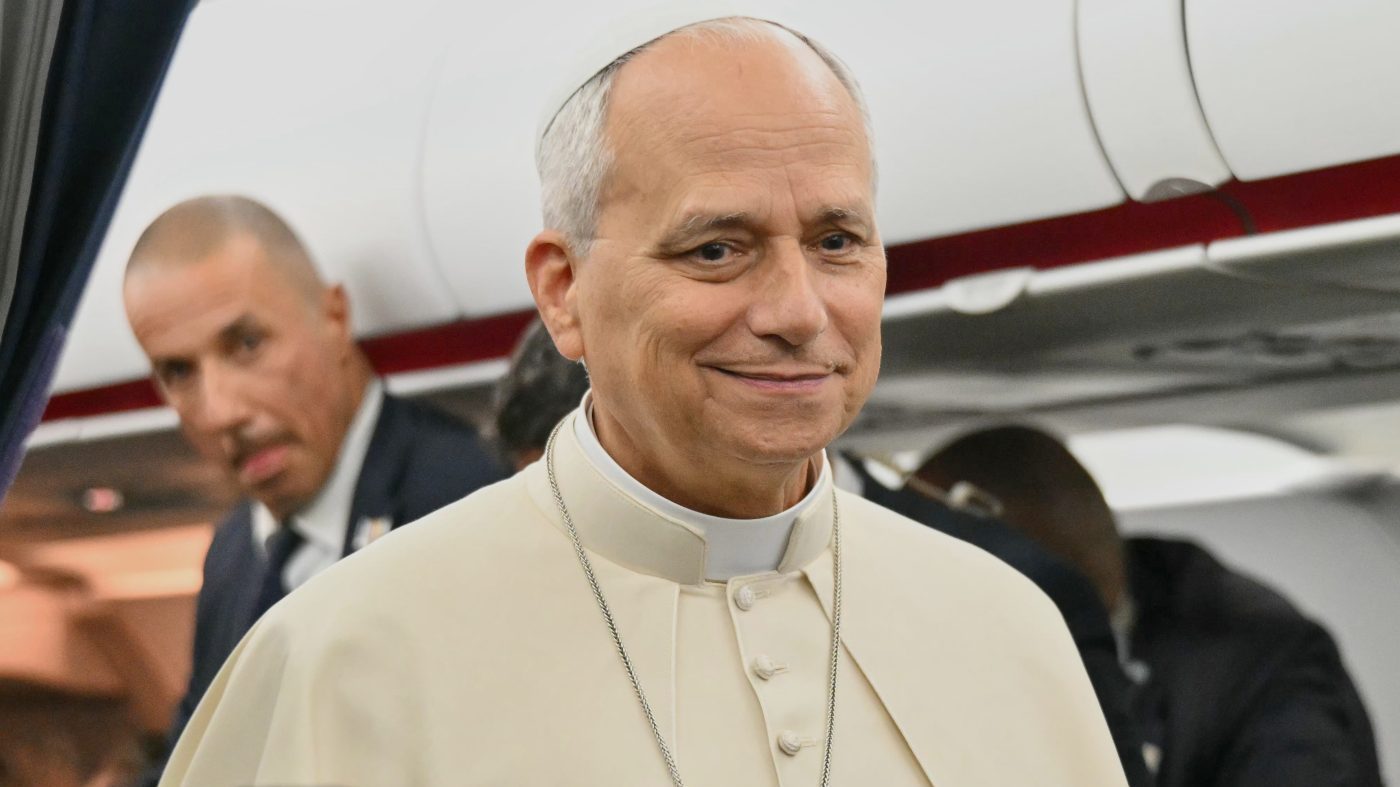
The Vatican disclosed Tuesday that Pope Leo XIV has been diagnosed with lung cancer, following a surgical procedure to remove a nodule from his lung. The 90-minute operation, performed at Gemelli University Hospital in Rome, successfully excised the lower lobe of the pontiff's right lung, according to a Holy See statement.
The Vatican said the pope is recovering and that his planned week-long hospitalization remains unchanged. A further update on his condition is expected Wednesday morning. The diagnosis is lung adenocarcinoma, the most common form of lung cancer. According to Harvard Medical School, this type of cancer is more likely to be localized and tends to respond to treatment. While adenocarcinoma is frequently associated with smokers, it is also the most common lung cancer among non-smokers.
Leo, who made history in May 2025 as the first U.S.-born pope, previously served as a cardinal. His election marked a significant shift for the global Catholic Church, bringing an American to the papacy for the first time. The surgery was initially announced as a procedure to remove a lung nodule, with the Vatican indicating a week-long recovery period, as reported in earlier coverage of the planned operation.
The U.S. Conference of Catholic Bishops responded to the news with a call for prayers. In a statement posted to X on Tuesday, the conference urged the faithful to keep the pope and his medical team in their thoughts. "We ask the faithful to continue praying for Pope Leo's recovery and for the doctors and staff caring for him," the conference wrote. "We also hold in prayer all who are living with cancer, their families, and those who care for them."
The diagnosis comes as a personal health challenge for the pontiff, but it also intersects with broader debates over cancer care and research funding. In the U.S., lawmakers have advanced measures like a bipartisan bill on ovarian cancer genetic testing, reflecting ongoing political attention to cancer treatment access and innovation.
Leo is scheduled to travel to South America next month, and the Vatican has not announced any changes to those plans. The trip would be a significant diplomatic and pastoral engagement for the new pope, underscoring the global reach of the papacy. His health will be closely monitored in the coming weeks as he recuperates.
The Vatican's handling of the pope's health is being watched closely by Catholics and political observers alike. The Holy See has a history of providing limited updates on papal medical conditions, but in this case, it has committed to a follow-up briefing on Wednesday. That transparency may help quell speculation about the severity of the diagnosis and the pope's ability to carry out his duties.
Lung adenocarcinoma, while serious, often has a better prognosis when caught early and treated surgically. The removal of the lower lobe of the right lung is a standard procedure for localized tumors. The pope's medical team has not released details about whether further treatment, such as chemotherapy or radiation, will be necessary. The Vatican's Wednesday update may shed light on next steps.
For now, the focus remains on the pope's recovery and the prayers of the faithful. The U.S. bishops' statement echoed sentiments likely shared by Catholics worldwide, emphasizing solidarity with all cancer patients and their caregivers. As Leo recuperates, the Vatican faces the delicate task of balancing transparency with privacy, while the world waits for more information about the leader of 1.3 billion Catholics.