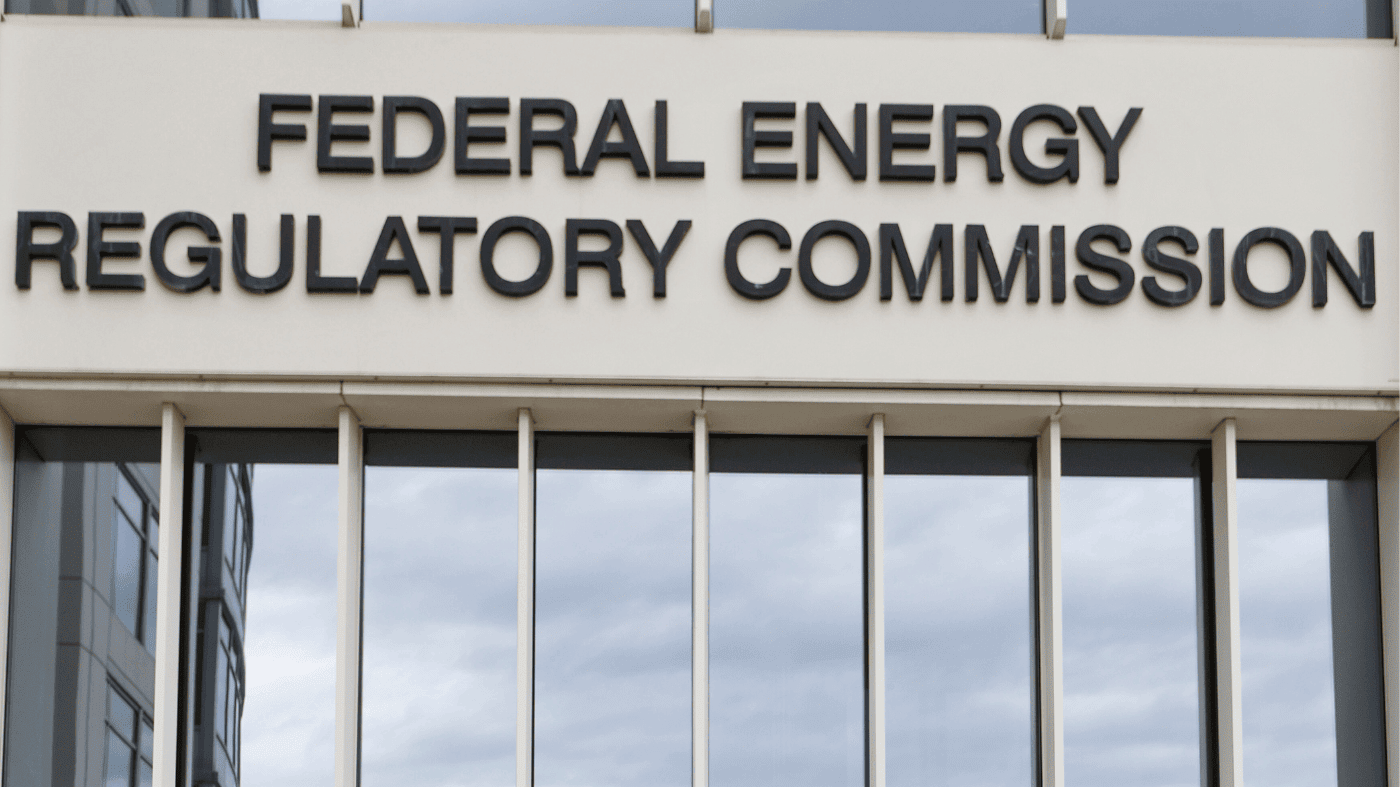
The Federal Energy Regulatory Commission (FERC) has rejected a proposal from PJM Interconnection that would have allowed the grid operator to cut power to certain large data centers when electricity supplies run tight. The decision, issued this week, leaves the contentious issue of how to handle the massive power demands of data centers largely to the states.
PJM, which operates the electric grid across 13 East Coast and Midwest states, had sought the authority to curtail service to new large consumers—specifically data centers that do not supply their own generation—during periods of shortage. The grid operator argued the measure was necessary to maintain reliability and prevent price spikes as electricity demand from data centers surges.

But FERC commissioners determined that PJM's plan may run afoul of the Federal Power Act, which they said reserves retail electricity sales to the states. In their order, the commissioners wrote that the law "leaves to the states alone 'any other sale'—most notably any retail sale" of electricity. That interpretation effectively bars FERC from approving a wholesale market rule that would directly affect retail customers like data centers.
The ruling comes amid mounting pressure from bipartisan governors and the Trump administration for PJM to address rising electricity prices, which have been driven in part by the explosive growth of data centers. Both red and blue states have seen consumer bills climb as utilities scramble to build new generation and transmission to serve the tech industry's appetite for power.
Jeff Dennis, a senior counsel at consulting firm Co2efficient and a former FERC staffer, said the decision puts the onus on states to craft their own policies. He noted that those policies could vary widely from state to state, creating a patchwork of rules across PJM's footprint.
"That adds to the number of things that the states and that PJM and to some degree, still FERC, have to sort out" to avoid high power prices and blackouts in the future, Dennis said.
PJM spokesperson Jeff Shields said in an email that the grid operator is "reviewing the Commission's order with an eye toward how we can fulfill FERC's requirements while recognizing the responsibilities FERC indicated belong to the states and honoring the concept that existing electricity customers should not be unfairly burdened by new, energy intensive customers in the form of higher costs or decreased reliability."
The decision could have broad implications for the region's energy landscape. States may now face pressure to pass legislation or issue regulations that determine whether data centers can be interrupted during emergencies, and how they should pay for the grid upgrades they necessitate. Some states might choose to protect data centers as critical infrastructure, while others could prioritize residential ratepayers.
Energy analysts say the ruling underscores the growing tension between the federal government's role in wholesale electricity markets and states' authority over retail sales. As data centers continue to proliferate, that tension is likely to intensify, with FERC, PJM, and state regulators all jockeying for influence over the rules that govern the electric grid.
For now, the ball is in the states' court. But with the Trump administration and governors from both parties demanding action on prices, the issue is unlikely to stay quiet for long.