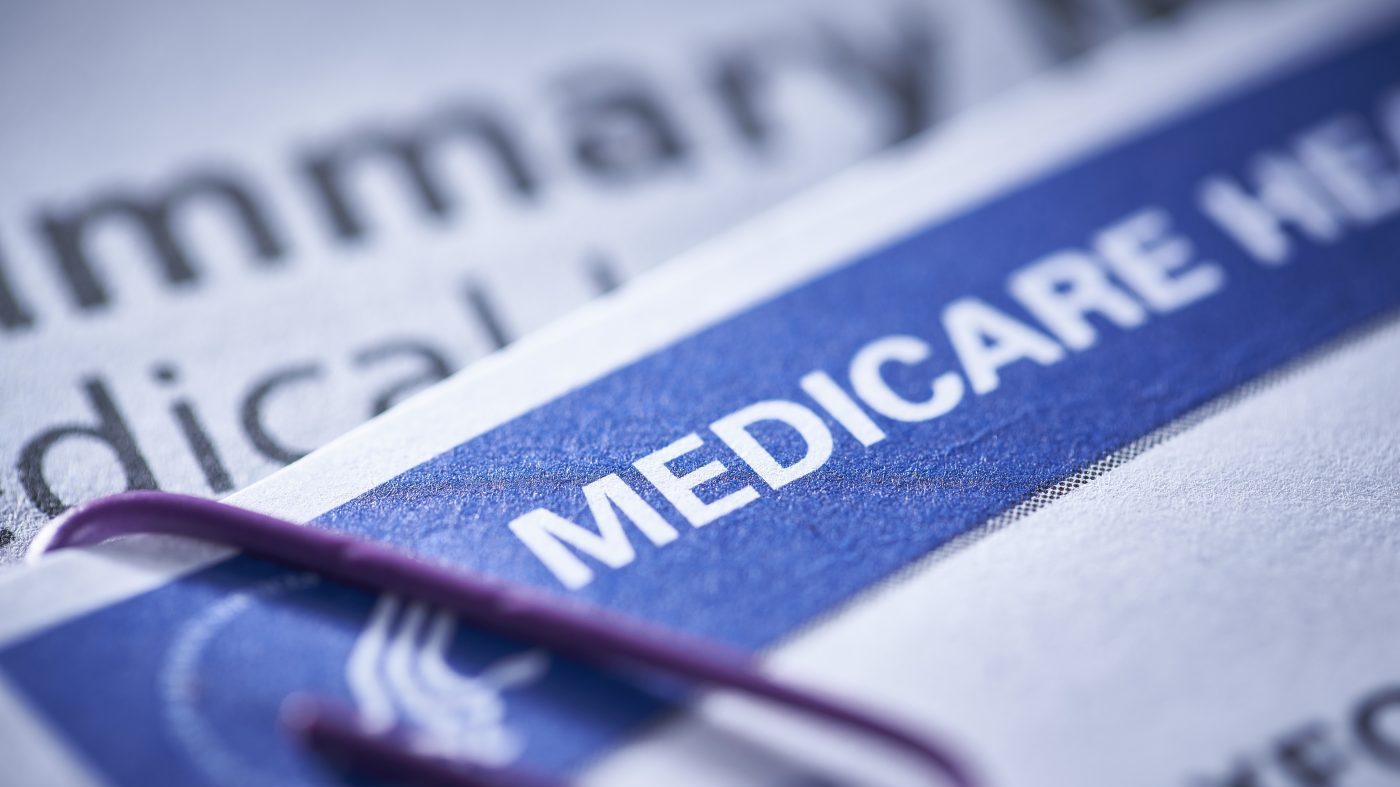
As health care costs weigh on voters ahead of the midterm elections, a new Axios/Ipsos poll released Tuesday finds that 43 percent of Americans support Medicare for all, the progressive proposal to replace private health insurance with a government-run system.
Supporters of the idea outnumber opponents by nearly two to one, according to the survey. A bipartisan majority also said the federal government should be willing to spend more tax dollars to bring down health care costs, signaling that the affordability crisis is cutting across party lines.
Yet the same poll reveals a paradox: while Americans want Washington to do more on health care, they are losing faith in the institutions that would carry it out. Only about half of respondents said they have a great deal or a fair amount of trust in health information from the Centers for Disease Control and Prevention—down sharply from 62 percent in March 2025. Trust in President Trump on health topics sits below 20 percent, and just 25 percent trust Health and Human Services Secretary Robert F. Kennedy Jr. Congress fares little better: 25 percent trust Democrats on health issues, while 20 percent trust Republicans.
The Medicare for all findings follow familiar partisan patterns. More than 60 percent of Democrats back the idea, compared with just under half of independents. A majority of Republicans oppose it. The slogan gained national prominence during Sen. Bernie Sanders’s (I-Vt.) 2016 and 2020 presidential campaigns, and it remains a rallying cry for the party’s left wing.
But with health costs crushing household budgets, the poll suggests an opening for progressive Democrats to pitch the plan in swing states. A separate KFF survey last week found about two-thirds of Americans support Medicare for all—the highest level since KFF began asking a decade ago. That finding comes as lawmakers weigh narrower health care fixes, such as a bipartisan push to expand Medicare coverage for Alzheimer’s blood tests.
Still, the public’s grasp of what Medicare for all would actually mean is shaky. KFF found that support shifted when respondents heard arguments for and against the plan. Backing fell when people were told it could lead to delays in medical tests and treatments, tax increases, or threaten the existing Medicare program. Support rose when they heard it could make health insurance a right or eliminate premiums and cost-sharing.
Opponents in the Axios poll cited fear of worse quality of care than private insurance as their top reason, followed by concerns that the program would be too expensive for taxpayers. Those trade-offs are likely to surface in any national debate, exposing details that campaign slogans often gloss over.
The survey lands as both parties jockey for advantage on health care. Republicans have sought to blunt the issue with direct payments to seniors, including $90 Medicare rebates sent to 20.8 million seniors—a move widely seen as an attempt to neutralize the GOP’s health care liability. Meanwhile, voter enthusiasm and turnout will be critical, with recent polling showing Trump voter enthusiasm lagging Harris supporters ahead of the midterms.
The Axios/Ipsos poll is based on a nationally representative probability sample of 1,122 adults age 18 or older and has a margin of error of plus or minus 3 percentage points.