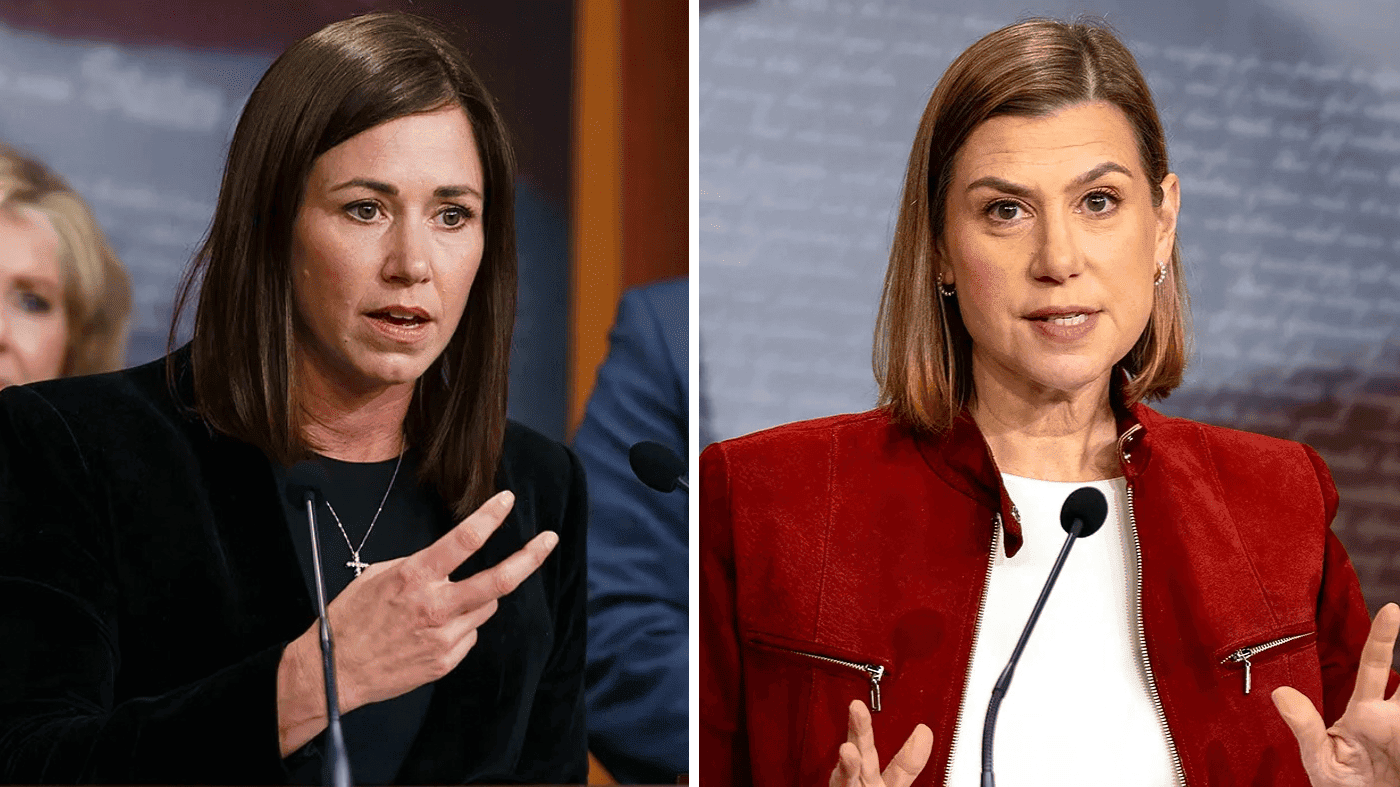
A bipartisan coalition in Congress is pushing new legislation to expand insurance coverage for genetic screening and bolster federal education efforts on gynecologic cancers. The Ovarian Cancer IMPACT Act, led by Sens. Elissa Slotkin (D-Mich.) and Katie Britt (R-Ala.), would require insurers to pay for genetic testing for individuals with hereditary risk factors. It also reauthorizes Johanna's Law, a 20-year-old CDC program that funds public awareness campaigns about gynecologic cancers.
House counterparts Reps. Rosa DeLauro (D-Conn.) and Don Bacon (R-Neb.) are sponsoring the companion measure. The bill's introduction reflects a rare moment of cross-party agreement on healthcare expansion and federal spending for prevention, a notable departure from recent partisan fights over health policy.

Slotkin, who lost her mother Judith to ovarian cancer in 2011, cited her family's struggle with insurance denials during her mother's illness as a driving force behind her legislative career. "No family should have to fight both a cancer diagnosis and their insurance company at the same time," Slotkin told The Hill. "Women, especially in rural communities like Michigan, should be able to get the genetic testing and specialty care they need to catch this disease early or prevent it altogether. Our bill tackles this issue from every angle — awareness, outreach and access to care and testing — and I thank my colleagues from across the aisle as we all work to save lives."
Britt emphasized the broader need for federal attention to women's health issues. "I think far too many times in this body, we don't stand up for the things that actually affect 50 percent of our population, which are women," she said. "Making sure that both proper research dollars go to women's issues, whether it is ovarian cancer, breast cancer, menopause, a number of things that affect women's daily life or can change the trajectory of their life, is important and then also, like I said, making sure that that research and that technology … aren't just there, but that hardworking people, the people from coast to coast, the people in rural Alabama, and people in urban areas all have access to those tools."
The legislation includes provisions to expand educational outreach, particularly in underserved communities, and to improve access to genetic counseling and testing. It also reauthorizes Johanna's Law, which has funded awareness campaigns since its enactment in 2007, aiming to reduce late-stage diagnoses by informing women about symptoms and risk factors.
The bipartisan nature of the bill stands out, especially given Slotkin's past criticism of Republican healthcare positions. In a floor speech last year, she accused the GOP of seeking to cut healthcare and Affordable Care Act benefits. "President Trump and my Republican colleagues are doing everything in their power to cut healthcare from average Americans, they're just doing it in different and creative ways, because they know it's politically unpopular to tell you to your face," she said at the time.
However, this new initiative suggests areas where lawmakers can find common ground. The bill's sponsors argue that investing in early detection and prevention can save lives and reduce long-term healthcare costs. Ovarian cancer is often diagnosed at advanced stages, and genetic testing can identify high-risk individuals who might benefit from preventive measures.
The bill's path forward remains uncertain, but its bipartisan backing could give it momentum in a divided Congress. Similar efforts have faced hurdles, but supporters are hopeful that the focus on women's health and cost-effectiveness will attract broader support. The legislation also aligns with recent discussions about cancer fundraising and awareness, highlighting the need for reliable information and resources.
Advocacy groups have welcomed the proposal, noting that insurance coverage for genetic testing is a critical step. They also point to the importance of the education campaign in reaching women who might not otherwise seek preventive care. The bill's reauthorization of Johanna's Law ensures continued federal funding for these efforts.
As the bill moves forward, it will likely face scrutiny over its cost and implementation. But for now, it represents a notable bipartisan effort to address a serious health issue, one that affects thousands of women each year. The sponsors hope that by working together, they can make a tangible difference in the fight against ovarian cancer.