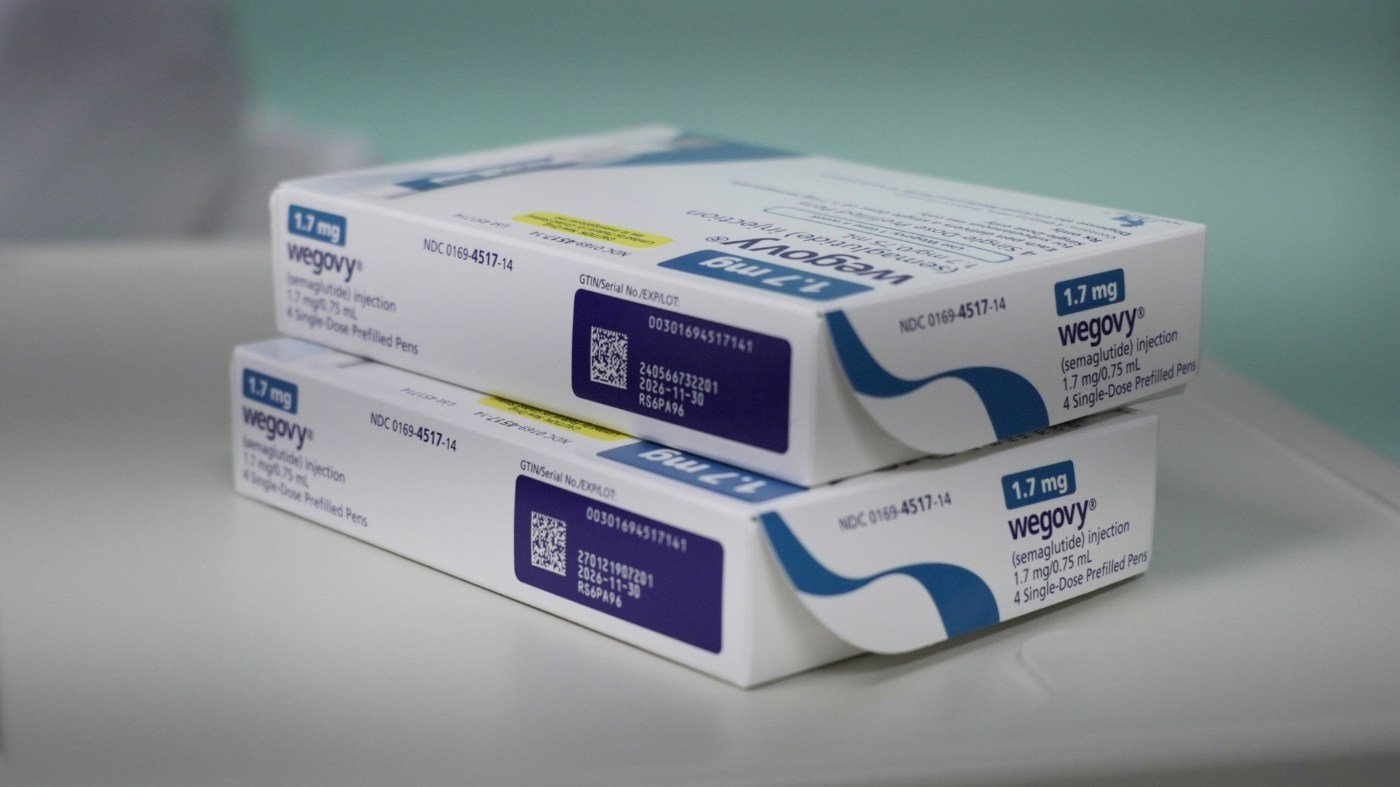
The Food and Drug Administration has finally mandated that manufacturers of GLP-1 medications include warnings about a rare but potentially blinding eye condition, a move that comes after European regulators flagged the issue earlier. However, experts argue that a label update is not enough to protect the millions of Americans taking these drugs for diabetes and weight loss.
The condition, non-arteritic anterior ischemic optic neuropathy (NAION), is sometimes described as a stroke of the optic nerve. It occurs when blood flow to the front of the optic nerve is blocked, causing sudden, painless vision loss in one eye. There is no reliable treatment, and the damage is often permanent.

A rare but significant risk
The European Medicines Agency concluded in 2025 that NAION should be recognized as a very rare side effect of semaglutide, the active ingredient in Ozempic and Wegovy, potentially affecting up to 1 in 10,000 users. The FDA's own review, which included clinical trial data from more than 134,000 participants, found 6.4 cases per 100,000 among GLP-1 users.
While the risk is small, the sheer number of people taking these medications—millions in the U.S. alone—means that even a rare complication can translate into a substantial number of affected individuals. GLP-1 weight-loss drugs linked to nutrient shortfalls have already raised concerns among experts, and now this new warning adds another layer of caution.
Diabetes complicates the picture
Many patients taking GLP-1 drugs also have diabetes, which is itself an independent risk factor for NAION. Diabetes can damage vision through retinopathy and increase the risk of optic nerve ischemia. This makes it difficult to determine whether a vision problem is caused by the medication or the underlying disease.
Patients should not be left to figure this out on their own, says Dr. Sreedhar Potarazu, an ophthalmologist who has studied NAION for decades. He argues that eye care should be integrated into the conversation around GLP-1 prescribing.
Calls for proactive eye exams
Potarazu advocates for comprehensive eye examinations before starting these medications, including an assessment of optic nerve health and a review of existing retinal disease. For diabetics, this should complement, not replace, their regular diabetic eye screening. A baseline exam would help identify preexisting conditions and provide a reference point if symptoms develop.
He also stresses the importance of patient education. Anyone taking GLP-1 drugs should know that sudden, painless vision loss, new blind spots, or unexplained visual distortion requires immediate medical attention. These symptoms should never be dismissed as fatigue, aging, or diabetes-related.
The pharmaceutical industry, regulators, and physicians all have a responsibility to ensure patients understand the risks and warning signs. New AI chatbot tests show medication risks persist, highlighting the need for better patient information.
Beyond the warning label
While the FDA's decision is a step forward, Potarazu warns that a warning on a label is not an adequate response to a potentially devastating complication. "By the time the patient recognizes the problem, the damage may be irreversible," he says. "We cannot promise to restore what has been lost."
He argues that saving someone's vision should be as important as improving their metabolic health. GLP-1 drugs threaten beer sales is a sign of their societal impact, but the health implications go far beyond waistlines.
As the use of these medications continues to grow, experts say it is time to prioritize eye safety alongside weight loss and blood sugar control.