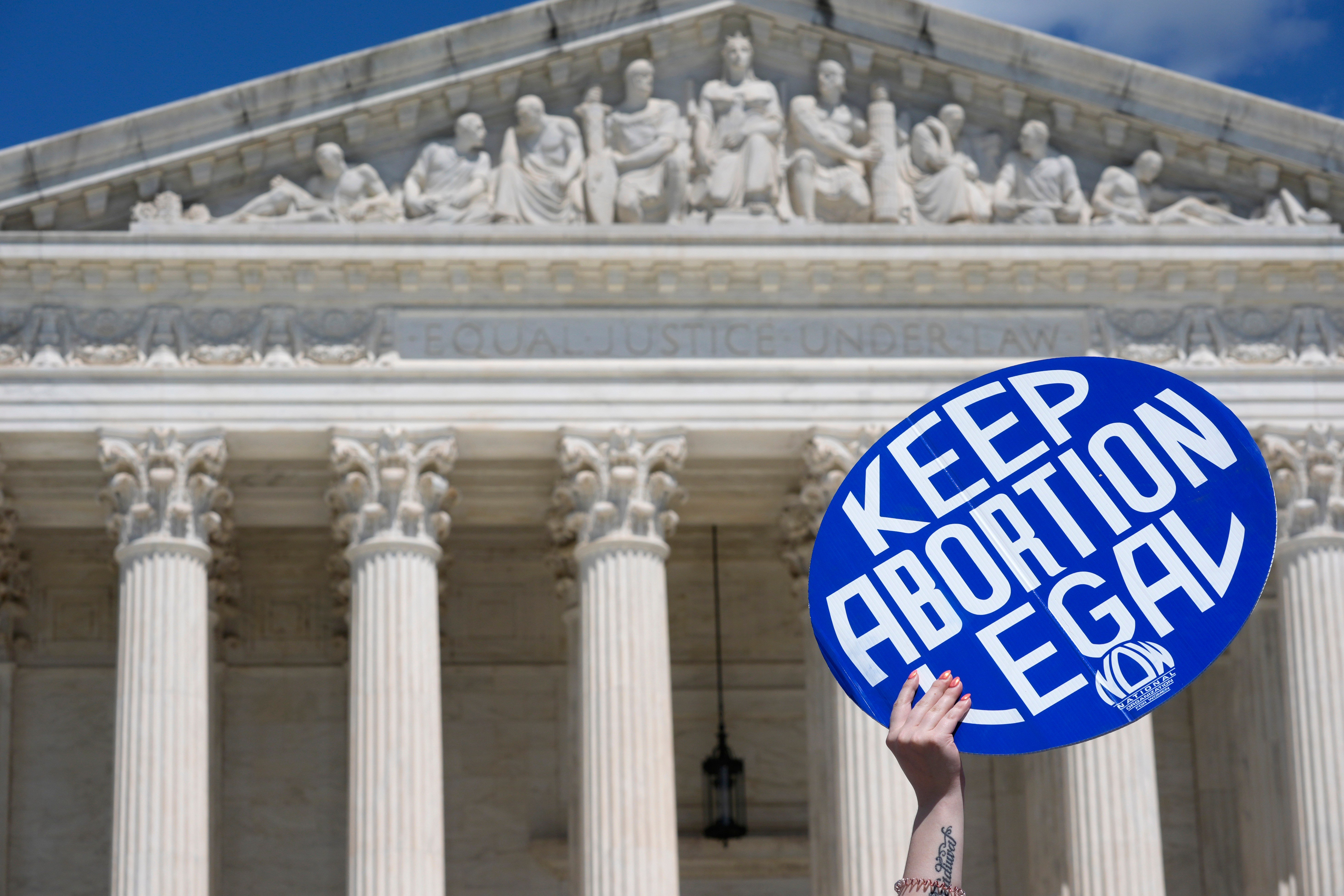
Since the Supreme Court struck down Roe v. Wade, voters in 17 states have cast ballots on abortion-related measures, with abortion-rights advocates prevailing in 14 of them, including in traditionally conservative states like Kansas, Kentucky, and Ohio. This past election cycle, Missouri, Nevada, and Virginia voters also approved measures safeguarding abortion access, while Idaho voters rejected a similar proposal.
At the state level, abortion-rights candidates secured Democratic trifectas in six key states, giving the party control of a majority of state legislatures for the first time in over 15 years. Democrats now hold 28, possibly 29, governorships and have flipped five state attorneys general offices, including in Texas. Congress will also see a solid Democratic majority, which should translate into strong support for legal abortion.
Yet many of these candidates avoided the word “abortion” on the trail, fearing it was a losing issue. Voters repeatedly proved them wrong. But winning seats alone won't restore reproductive freedom.
Since the Dobbs decision, the battle has centered on mifepristone, a drug used safely for over 25 years for abortion and miscarriage management. Medication abortion, typically starting with mifepristone, accounted for 64% of clinician-provided abortions in 2023, according to the Guttmacher Institute. By 2025, telehealth abortion, which relies heavily on mifepristone, made up 27% of U.S. abortions, per the Society of Family Planning.
Hundreds of thousands of women now depend on that pill and the laws protecting it. With anti-abortion forces escalating attacks on mifepristone access, elected officials must enact and defend laws to keep it available.
Eight states have enacted telemedicine abortion shield laws since Dobbs, protecting clinicians who provide care via telehealth from shield states to patients anywhere. Telemedicine offers a lifeline when travel is impossible due to work, school, or childcare. Thanks to these laws, the number of abortions in America has held steady at about 1.1 million in 2025, even as clinics closed in ban states.
Shield laws have withstood legal challenges. When Louisiana sought to extradite a California doctor in January, Gov. Gavin Newsom invoked the shield law and refused. When Texas obtained a default judgment against a New York doctor, a court clerk refused to enter it, and a judge upheld that refusal, citing New York's shield law.
Abortion opponents know telemedicine's power and have worked relentlessly to undermine it. Last May, a federal appeals court reinstated a nationwide requirement that mifepristone only be dispensed in person, but a Supreme Court stay kept mail delivery available while the case continues. Under Health Secretary Robert F. Kennedy Jr., the FDA ordered an unnecessary safety review of mifepristone, due in March 2027, despite its 25-year safety record. Dr. Heidi Overton, the president's nominee to run the FDA, was evasive at her confirmation hearing, but her record is clear: she once called mail delivery “chemical abortion on demand.”
The next escalation came in September, when attorneys general from Louisiana, Alabama, and Arkansas asked the Supreme Court to hear a lawsuit against New York, California, and Massachusetts, seeking to invalidate shield laws. They also filed a separate federal suit against 30 alleged telemedicine providers. If either case succeeds, abortion access could plummet nationwide.
The majority of U.S. voters are pro-choice and have repeatedly rejected such bans. The Democrats we elected must push back now. Senators can reject Overton's nomination and demand the FDA show evidence for its review before acting. When President Trump seeks Senate confirmation for administration officials or Supreme Court justices, Democrats must ensure they support abortion rights.
Attorneys general can defend shield laws in court and join mifepristone cases on the side of patients. Governors and legislators can protect clinicians who prescribe mifepristone, even if the FDA meddles with science. New York has a law supporting mifepristone access that has passed both chambers and awaits Gov. Kathy Hochul's signature. New Jersey, Connecticut, and Maryland had shield legislation pending, and newly Democratic trifectas in Michigan, Minnesota, Nevada, Pennsylvania, Wisconsin, and Arizona likely have the votes to act similarly. California can reinforce its commitment to refuse extradition of abortion providers by passing a bill Newsom wrongly vetoed; Governor-elect Xavier Becerra has the chance to support our rights by signing it.
These Democrats won with our pro-choice votes. Now that they are in power, it's time to put power into action without delay.