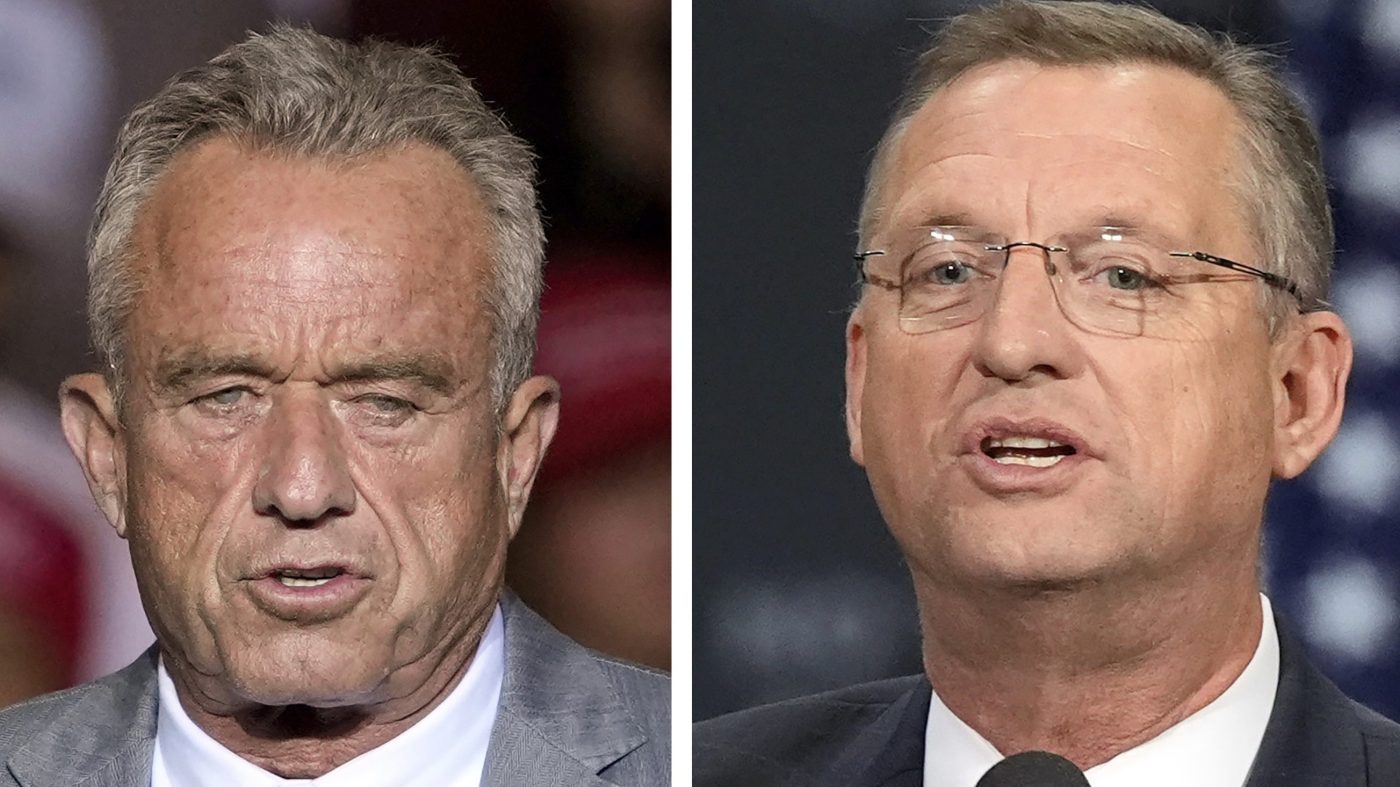
Health and Human Services Secretary Robert F. Kennedy Jr. and Veterans Affairs Secretary Doug Collins are scheduled to hold a joint press conference Thursday morning, focusing on the Trump administration's efforts to expand mental health care for veterans. The event, set for 10:30 a.m. EST, comes just one day after Veterans Day, underscoring the administration's stated commitment to addressing the mental health crisis among those who have served.
The two cabinet secretaries are expected to outline new initiatives aimed at broadening access to treatment for post-traumatic stress disorder (PTSD) and other serious mental health conditions. According to officials familiar with the plans, the departments have already been collaborating on research into psychedelic-assisted therapies, which have shown promise in clinical trials for treatment-resistant PTSD.
This joint appearance highlights a rare cross-agency partnership between HHS and the VA, which have historically operated in separate silos. The administration has signaled that it views mental health as a priority, particularly for veterans, who face disproportionately high rates of suicide and mental health disorders. A recent report highlighted systemic care failures and rising suicide risks among the veteran population, adding urgency to the administration's push.
Kennedy, a longtime advocate for alternative and integrative medicine, has been a vocal proponent of exploring psychedelic compounds like psilocybin and MDMA for therapeutic use. Collins, a former chaplain and Iraq War veteran, has made veterans' mental health a cornerstone of his tenure at the VA. Their joint appearance is likely to signal a more aggressive federal push to integrate these therapies into standard care, pending regulatory approvals.
The press conference also comes amid broader political maneuvering over veterans' issues. Lawmakers on both sides of the aisle have criticized the VA's handling of mental health care, and some Republicans have pushed for faster adoption of innovative treatments. Meanwhile, Democrats have raised concerns about the cost and oversight of such programs. The administration's move could reignite debates over the pace of reform, especially given the controversial passage of a veterans bill in the House last week.
Observers note that the timing of the announcement—immediately after Veterans Day—is politically significant. The Trump administration has sought to highlight its support for the military community, particularly in the wake of controversies surrounding other Pentagon officials. The event also serves as a platform for Kennedy and Collins to demonstrate their alignment with the administration's broader health policy agenda, which has emphasized deregulation and patient choice.
Details of the specific policy changes or funding commitments are expected to be unveiled during the press conference. However, insiders suggest that the announcement could include new pilot programs, streamlined approval processes for clinical trials, and increased funding for research into psychedelic-assisted therapies. The VA has already launched several small-scale studies, but a coordinated federal effort would mark a significant escalation.
Veterans advocacy groups have cautiously welcomed the attention, though many are waiting to see concrete action. "Promises are easy; implementation is hard," said one veterans' health advocate, who asked not to be named. "We've heard a lot of talk about innovative treatments, but veterans need access on the ground, not just press conferences."
The press conference will be streamed live, and both secretaries are expected to take questions from the media. The event follows a series of Veterans Day commemorations at Arlington National Cemetery, where President Trump and Vice President Vance paid tribute to fallen service members amid ongoing political tensions.
As the administration moves forward, the partnership between HHS and the VA could set a precedent for interagency cooperation on health issues. For now, all eyes are on Thursday's announcement, which may well define the next phase of the federal government's approach to veterans' mental health.