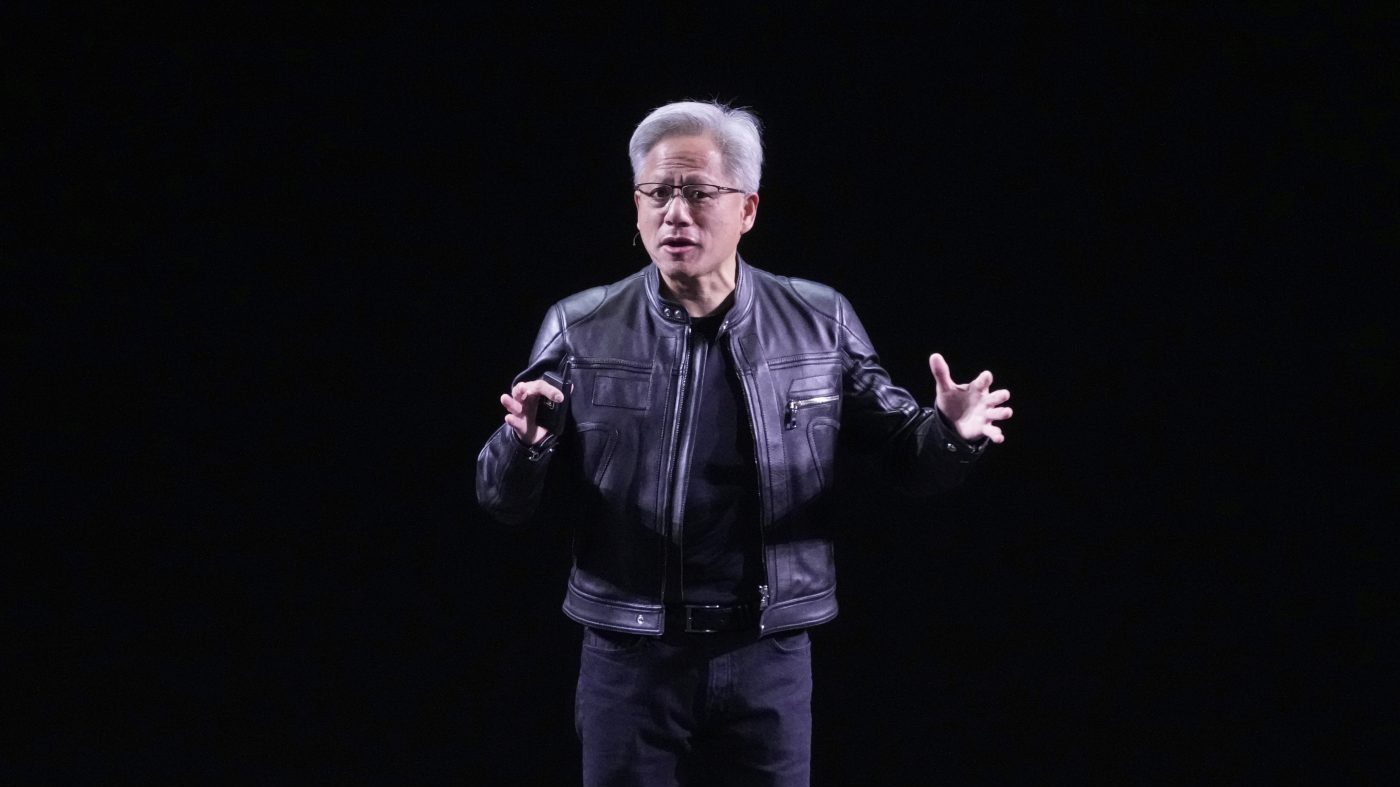
Nvidia CEO Jensen Huang has resigned from his position at the AI chip giant, following explosive reports of two extramarital affairs, one of which involved an alleged Chinese spy. The company announced Thursday morning that Huang stepped down immediately, with Colette Kress, executive vice president and chief financial officer, taking over as interim CEO.
In a press release, Nvidia's board thanked Huang for his contributions, stating, "Jensen's contributions to NVIDIA are profound. NVIDIA is one of the most consequential technology companies in the world. The Board and the company thank Jensen for his immeasurable contributions to the company and the industry."
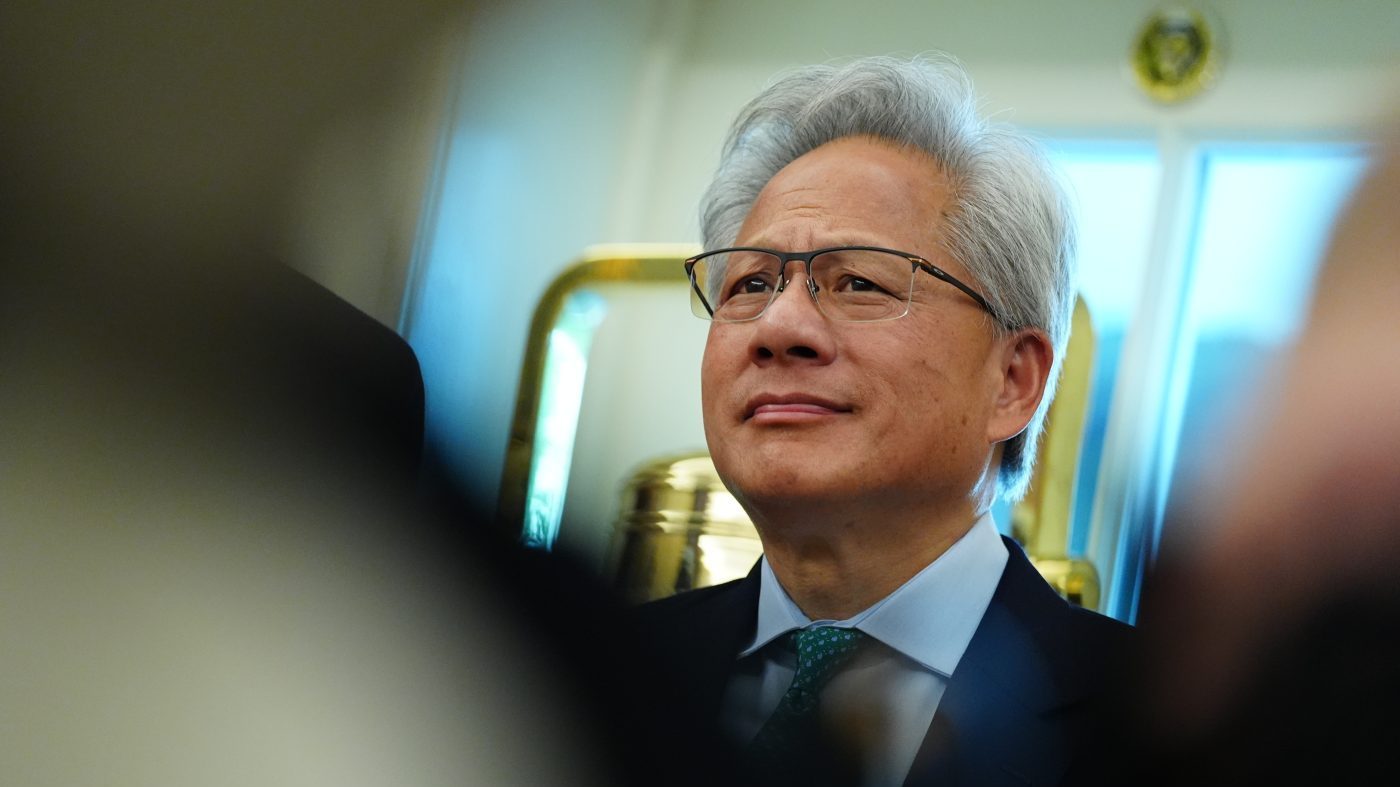
The embattled tech leader admitted Sunday to having an affair with a Chinese businesswoman whom U.S. officials concluded was passing information to Beijing. This revelation raised significant national security concerns given Nvidia's central role in the AI race and Huang's close relationship with President Trump. The New York Times reported Wednesday that Huang also had a separate affair with an Nvidia executive who reports to him.
Huang's resignation is expected to send shockwaves through Silicon Valley and Wall Street. Under his leadership, Nvidia became an AI powerhouse, providing the advanced chips essential for the technology's development. The market reacted earlier this week when the company's stock hit a six-month low of $165.89 on Tuesday, though shares rebounded roughly 3.4% on Wednesday.
Capitol Hill lawmakers from both parties have called for investigations into whether Huang compromised national security, renewing demands for stricter chip export controls. U.S. officials concluded that Alice Huang, an executive at data center firm Megaspeed, was recruited by China to relay information.
Kress, who joined Nvidia in 2013, has led the company's finance organization and previously spent over two decades at Microsoft and Cisco. Harvey Jones, Nvidia's newly appointed board chair, praised her, saying, "Colette has helped lead NVIDIA through a period of extraordinary growth and has a deep understanding of our business, customers, operations and financial position." The board has initiated a search for a permanent replacement.
President Trump, a close ally of Huang, had defended him earlier this week, calling him an "honorable guy" and expressing hope that "everything's fine." Trump said Huang told him he was unaware that the Megaspeed executive was an intelligence operative. The Times reported last month that Trump was briefed about a year ago about the intelligence community's assessment, but took no action at the time.
Huang co-founded Nvidia in the early 1990s, transforming it from a niche video game chip maker into a global AI leader. The release of OpenAI's ChatGPT in late 2022 sparked an AI boom, driving demand for Nvidia's graphics processing units. By late 2025, Nvidia became the world's first $5 trillion company.
Nvidia has navigated a complex relationship between Washington and Beijing, with the U.S. imposing strict export controls on its chips to limit China's AI development. Huang had advocated for fewer restrictions, arguing that allowing older chips to reach China could keep its AI industry dependent on American infrastructure. The Trump administration permitted sales of H20 and H200 chips to China last year.
Nvidia is set to report its third-quarter fiscal 2027 results next Tuesday, with the earnings call to follow.