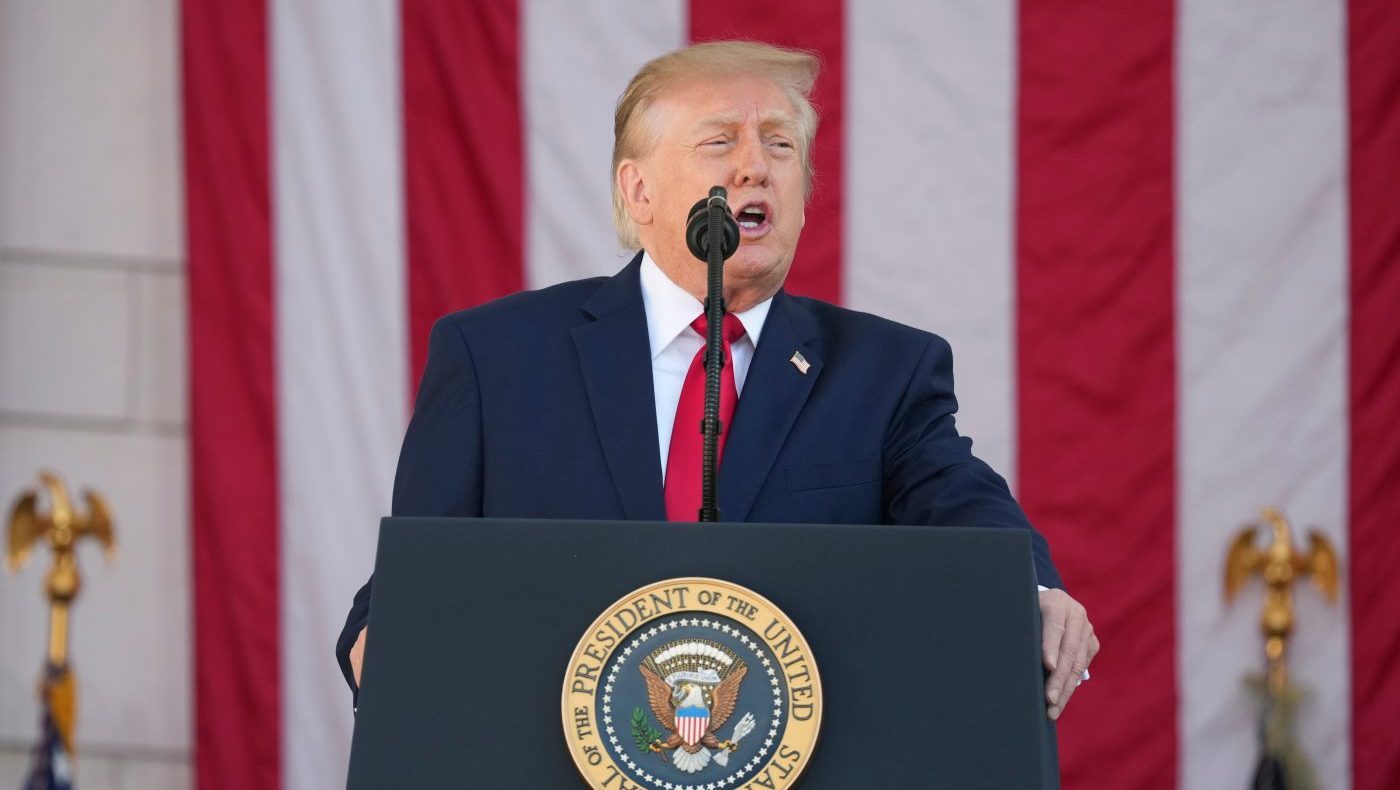
President Trump's pledge that "we will not rest until all of America's great veterans can receive the care they so richly deserve" echoes decades of similar promises from both parties. Yet for many veterans seeking help with chronic pain, traumatic brain injury, PTSD, depression, toxic exposure, or moral injury, the reality is often a frustrating maze of bureaucratic delays and disjointed services.
Advocates call this experience "institutional betrayal"—a deep rupture of trust when the very institutions meant to care for veterans make them feel dismissed or abandoned. The scale of the problem is immense: the Veterans Health Administration, part of the Department of Veterans Affairs, runs the largest health system in the U.S., serving over 6 million veterans, many with complex service-related conditions.
The consequences are severe. When veterans hit obstacle after obstacle, they often withdraw from support networks. That isolation is a known precursor to suicide, which remains tragically high among veterans—especially younger ones, for whom it's a leading cause of death. A 2025 VA report found that about 61% of veterans who died by suicide in 2023 had not received VA care in the prior year—a stark indicator that the system fails many before a crisis becomes visible.
Despite bipartisan efforts in Congress and successive administrations, dysfunction persists. In 2025, the Government Accountability Office (GAO) reported that the VA still hadn't fully implemented key recommendations for its community care program, including standard time frames for appointments after referral. That program allows veterans to see non-VA providers when VA facilities are too far or too slow. The same agency also noted that while improving, the VA still juggles multiple scheduling systems, creating delays. As the GAO put it, "Because of concerns with wait times and other issues … VHA health care continues to be on our high-risk list."
The VA's own Inspector General has documented similar failures. At the Martinsburg VA Medical Center in West Virginia, inspectors found a backlog of over 5,000 community care consults, with average wait times exceeding 45 days—far beyond the required 7 days. Some veterans waited 100 days or more just for initial contact. In Boston, more than half of direct and community care referrals faced delays.
These are not isolated incidents. Concerned Veterans for America notes that since 2020, the VA's OIG has issued over 50 reports highlighting significant deficiencies. The problems extend beyond the VA itself. The GAO found that among 50,000 servicemembers leaving the military, two-thirds worried they might have mental health issues needing follow-up, yet more than half refused referrals—suggesting inadequate in-service treatment and insufficient encouragement to seek help.
The transition period is particularly dangerous. VA researchers found that at three and nine months after leaving service, 53% of veterans reported chronic physical conditions, and nearly 33% reported chronic mental health issues, including depression. A RAND study found that suicide risk steadily increases during the first year after separation.
The Veterans of Foreign Wars sums it up: veterans "are forced to navigate a bureaucratic labyrinth that too often grinds them down, delays their care and treats them with suspicion from day one." The sense of betrayal is hardly surprising. As political fights over veterans' benefits continue, the human cost of these systemic failures grows. While some argue that political interference exacerbates the problem, the core issue remains the VA's inability to deliver timely, consistent care.
For veterans, the promise of care too often rings hollow. The evidence is clear: without urgent reform, the system will continue to betray those who served.