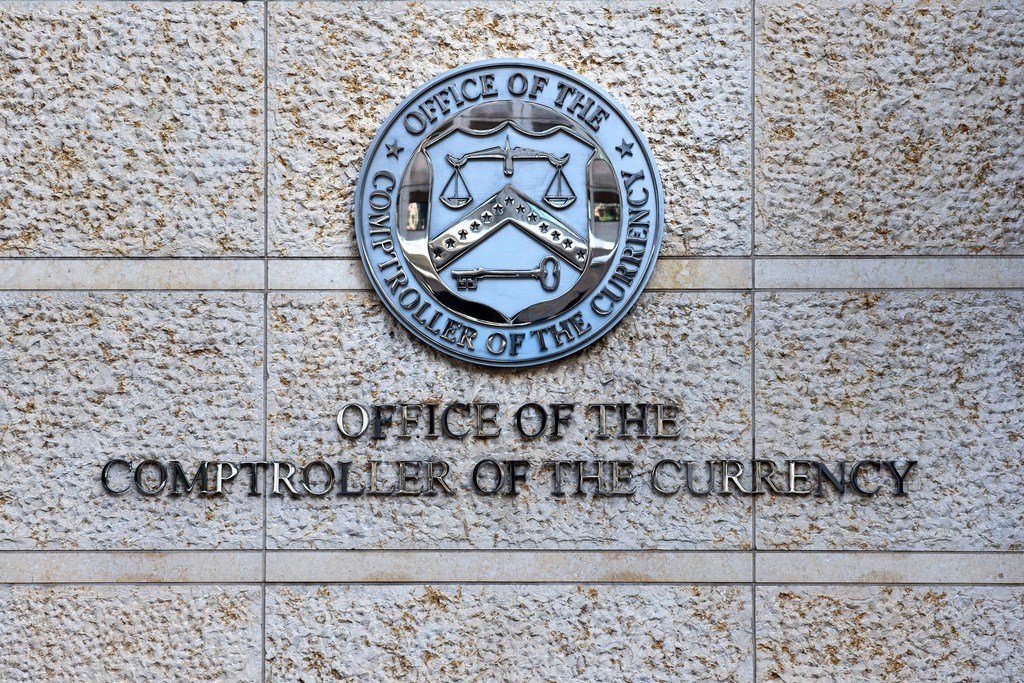
A long-awaited federal investigation has validated what many Americans have suspected for years: major banks have been quietly shutting down accounts for customers whose political or religious views didn't align with the institutions' internal preferences. The Office of the Comptroller of the Currency (OCC) released a comprehensive report on Thursday, titled “Debanked: Guaranteeing Fair Banking for All Americans,” which found that the nation's nine largest national banks used broad and ill-defined “reputation risk” policies to discriminate against individuals and businesses based on their beliefs.
The report, which stemmed from a 2025 executive order by President Trump, reviewed nearly 100,000 complaints, hundreds of individual bank decisions, and roughly 420,000 pages of internal documents. It concluded that these banks applied “no clear standards” and “no objective, risk-based criteria” when deciding to cut off customers, effectively punishing those with conservative, religious, or other disfavored viewpoints. The findings also highlighted how industries such as oil and gas, coal, and firearms were disproportionately targeted, often due to pressure from progressive advocacy groups.

Internal documents reveal troubling practices
The OCC's review uncovered internal bank communications that were particularly alarming. One bank instructed employees to scrutinize “controversial clients,” explicitly listing “religious leaders” as a category of concern. Others relied on the Southern Poverty Law Center (SPLC), a hyper-partisan organization now facing criminal indictment for money laundering and making false statements to a federally insured bank, to flag customers for termination.
Specific examples in the report include a JPMorgan-owned payment processor that closed the account of a “right wing religious conservative non profit,” with an employee later scrubbing the words “right wing” and “religious” from the records. The same processor shut down an account raising funds for a Christian’s legal challenge to an anti-discrimination law. PNC denied a line of credit to a media company after an employee wrote that its owners held opinions “very contrary to PNC’s beliefs/values.” TD Bank flagged a faith-based healthcare sharing ministry because its religious requirements appeared to “conflict with TD’s values of diversity and inclusion.”
These practices should concern every American, regardless of their own beliefs. As the report makes clear, a bank that can cut off your neighbor for their views can easily do the same to you. The lack of transparency and accountability in these decisions leaves consumers vulnerable to arbitrary and discriminatory treatment.
Small businesses bear the brunt
The impact is particularly severe for small businesses, which often lack the resources to withstand even a temporary loss of banking services. Being cut off from payroll or bill payments for a few weeks can be devastating. The report notes that these bank practices don't actually reduce risk—they protect large incumbents and push out smaller competitors who might challenge the status quo.
Many debanked customers never learned the real reason for their account closure. The OCC found that closure letters often cited the bank's right to close an account “for any reason and at any time,” a boilerplate phrase that masked the actual, often discriminatory, rationale. This was the case for Indigenous Advance, a Memphis-based Christian charity serving orphaned children in Uganda, and a local church that supported it. Bank of America closed both accounts in 2023, using language that the OCC flagged as typical of the problematic practices.
Future risks and state action
Perhaps the most troubling aspect of the report is its warning about the future. While banks have revised their policies, some have simply rebranded “reputation risk” as “franchise” or “brand” risk. The OCC says it cannot guarantee that current policies will prevent a recurrence, and no bank has fully acknowledged its past actions. Executive orders, however, are not permanent—they can be reversed by future administrations. Durable protection requires legislative action.
Several states have already taken the lead. Tennessee, Idaho, and South Carolina have passed laws to protect consumers from discriminatory debanking, based on models from Alliance Defending Freedom. The OCC report suggests these state laws have already prompted many banks to reconsider their industry-based restrictions. Other states should follow suit, requiring banks to provide specific reasons for account closures, prohibiting decisions based on protected speech or religious exercise, and giving harmed Americans a real legal remedy.
Large banks enjoy immense government support, including access to the Federal Reserve's discount window, FDIC insurance, and implicit bailout guarantees. In return, they owe every American fair treatment. Your bank account should depend on measurable financial risk, not on your faith or your politics. The OCC report is a step forward, but lasting change will require vigilance and action at the state level.